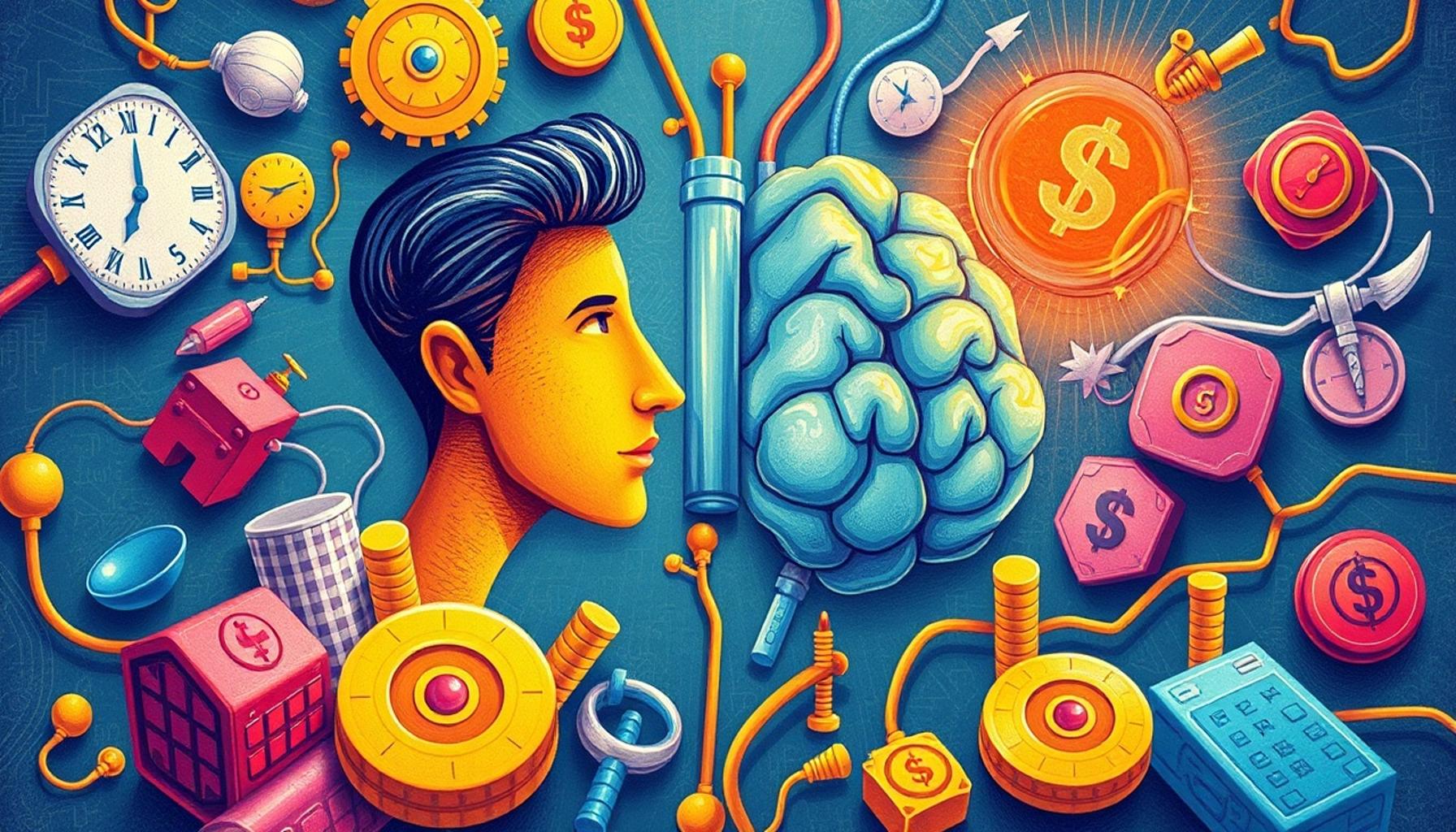
Developing Critical Thinking and Memory: The Intersection of Educational Games and Cognitive Exercises
The Importance of Critical Thinking and Memory in Education
In the modern educational landscape, fostering critical thinking and memory skills is essential for the holistic development of students. Traditional methods often fall short of instilling these competencies, making room for innovative solutions that merge creativity with learning. Educational games and cognitive exercises have emerged as powerful tools in this transformation, allowing students to engage with material in dynamic and enjoyable ways.
Engagement Through Play
At the core of effective learning is the student’s engagement with the material. Games serve as a compelling means of capturing attention. They foster an environment where students are not merely passive recipients of knowledge but rather active participants in their learning journey. For instance, games that challenge students to solve math puzzles or navigate historical trivia effectively create an interactive atmosphere. In the Nigerian context, incorporating familiar local themes—such as historical events or cultural traditions—can enhance relatability. A game focused on the history of Nigeria’s great empires could ignite passion and curiosity among students.
Enhancing Skill Development
Beyond engagement, educational games are instrumental in developing critical skills necessary for academic and personal success. They promote analytical thinking and boost memory retention. For example, strategic board games like chess require players to think several steps ahead, weighing their options and predicting their opponent’s moves. Such mental exercises can sharpen decision-making abilities, which are crucial in academic settings and everyday life.
Fostering Social Interaction
Another significant advantage of educational games is the opportunity they provide for social interaction. In multiplayer formats, students learn the value of collaboration and communication, essential skills in a cooperative society. When playing a game that requires team-based problem-solving, students from diverse backgrounds can come together to blend their perspectives, fostering a sense of community. This is particularly relevant in Nigeria, where teamwork and collaboration play a pivotal role in cultural practices and communal activities.
Bridging Educational Gaps
In Nigeria, educational resources may vary significantly across regions due to economic and infrastructural challenges. However, incorporating educational games and cognitive exercises can help bridge these gaps. These tools offer a chance to level the playing field. For instance, online platforms that provide free access to learning games can reach students in remote areas, empowering them to enhance their critical thinking and memory skills without the need for extensive resources.
Ultimately, the integration of educational games and cognitive exercises in the classroom can transform the educational experience. By engaging students in ways that are culturally relevant and intrinsically motivating, we nurture not just scholars but well-rounded individuals equipped for the complexities of modern life. This shift towards innovative learning approaches heralds a brighter future, paving the way for generations that are not only knowledgeable but also adaptable and inquisitive.
CHECK OUT: Click here to explore more
Creating a Dynamic Learning Environment
To truly develop critical thinking and memory skills, educational experiences must evolve beyond conventional methods. Stagnant memorization techniques can lead to disconnection among students, particularly in a diverse cultural landscape like Nigeria. Incorporating educational games and cognitive exercises can transform learning into a vibrant, interactive experience.
Interactive Learning: The Power of Gamification
Gamification, the integration of game-design elements in non-game contexts, stands as a cornerstone for effective learning. By leveraging educational games, educators can facilitate the mastery of essential academic concepts through engaging challenges and fun activities. For example:
- Quiz Games: Platforms like Kahoot! engage students in quizzes, reinforcing their memory through instant feedback and competition.
- Adventure Games: Games like “Minecraft: Education Edition” enable students to explore complex concepts such as physics and engineering in a sandbox environment, fostering creativity while sharpening critical thinking.
- Role-Playing Games: Where students simulate real-world scenarios can develop their problem-solving skills. For example, students could role-play as entrepreneurs to understand economic principles better.
These formats not only make learning enjoyable but also enhance long-term retention of information by allowing students to experience concepts firsthand. Furthermore, this type of experiential learning is particularly beneficial in a Nigerian context where students often thrive on interactive and relatable content.
Cognitive Exercises: The Science of Memory Enhancement
In addition to games, cognitive exercises play an integral role in strengthening memory capabilities and promoting critical thinking. Activities such as puzzles, brain teasers, and memory games can significantly impact cognitive functions. Research shows that exercises aimed at challenging the brain can lead to improved cognitive flexibility, enabling students to adapt their thinking in various situations.
For instance, memory games that require students to recall sequences or match items can enhance their short-term and long-term memory significantly. Integrating such exercises not only fosters a deeper understanding of content but allows students to develop strategies for remembering critical information—essential skills for academic success.
Continuous Assessment Through Interaction
Lastly, educational games facilitate continuous assessment through interactive play. By observing student participation and performance in real-time, teachers can identify gaps in understanding and tailor their teaching strategies accordingly. This formative assessment ensures that learning is not a one-size-fits-all approach; rather, it adapts to meet the diverse needs of students in Nigeria. Such adaptability is crucial in a rapidly changing educational landscape, where the ability to think critically and memorize key concepts can determine future opportunities.
In summary, the intersection of educational games and cognitive exercises presents an exciting frontier for educators seeking to enhance critical thinking and memory among students. As we continue to embrace innovative methods of teaching, a generation of learners equipped with essential skills will emerge, ready to tackle the complexities of their environment and beyond.
| Advantages of Educational Games | Cognitive Exercise Benefits |
|---|---|
| Engagement and Motivation | Enhanced Memory Retention |
| Promotes Teamwork and Social Skills | Improved Problem-Solving Abilities |
Educational games not only spark an interest in learning but also create an interactive environment that fosters engagement and motivation among learners. In a world where traditional educational methods may sometimes fall flat, these games introduce an exciting twist, allowing students to immerse themselves in challenging and complex scenarios while collaboration is encouraged, enhancing teamwork and social interaction.On the other hand, cognitive exercises incorporated into these games significantly contribute to enhanced memory retention. As players navigate through various challenges, their brains are actively working to retain new information and apply it effectively. Additionally, these exercises improve problem-solving skills, which are essential not just in academics but in real-life situations. By integrating educational games with cognitive exercises, individuals can tap into their potential for critical thinking and memory enhancement, carving a path that leads to significant personal and academic growth. Discovering this intersection could help unlock a new level of learning for many.
RECOMMENDED: Check out this similar article
Engaging Diverse Learning Styles
As educators navigate the complexities of the classroom, it is essential to recognize the varied learning styles present among students. By tapping into the potential of educational games and cognitive exercises, teachers can address these different modalities and create a more inclusive environment. For instance, students who excel in visual learning may benefit from interactive games like Purposeful Puzzles, which use vibrant graphics to illustrate mathematical problems, facilitating both comprehension and retention.
Fostering Collaboration Through Group Activities
Incorporating collaborative games in education can significantly bolster critical thinking and memory retention. Group activities—such as team-based trivia or cooperative challenges—encourage students to discuss their thought processes and develop collective problem-solving strategies. This interaction not only hones critical analysis but fosters important social skills in communication, negotiation, and teamwork. A prominent example in Nigerian classrooms is the introduction of debate formats paired with games that require students to defend their theories, thus enhancing both their argumentative skills and memory recall through the preparation process.
Connecting Theory and Practice with Real-World Applications
Furthermore, educators can create simulations that connect classroom theory to real-world applications. Localizing scenarios, such as using Agricultural Management Simulations relevant to Nigeria, allows students to role-play as farmers making strategic decisions based on weather forecasts and market demands. This approach not only necessitates critical thinking but also cements theoretical frameworks firmly in students’ memories. When experiential learning complements cognitive challenges, it reinforces conceptual understanding and improves long-term retention.
Neurological Benefits: Strengthening Cognitive Pathways
Research into the effects of cognitive exercises on brain function holds promising implications for developing critical thinking and memory. Activities such as memory challenges and strategic board games have been shown to increase neuroplasticity—the brain’s ability to reorganize itself by forming new neural connections. By engaging in these activities, students can strengthen cognitive pathways related to memory and decision-making. For example, games that require students to plan several moves ahead, such as chess, not only sharpen their critical thinking but also enhance their capability to recall complex patterns and strategies over time.
Integration with Traditional Curriculum
For the successful integration of educational games and cognitive exercises into the traditional curriculum, teacher training becomes paramount. Professional development programs should emphasize innovative pedagogies, combining game mechanics with established learning outcomes. Educators must also be encouraged to share best practices and resources, whether through forums or workshops, to ignite ideas that can be localized in Nigerian contexts. Learning from one another’s experiences will broaden the horizon of educational methods accessible to teachers, promoting an ecosystem of continuous improvement.
By fostering an environment rich in variety and innovation, Nigeria’s educational landscape can inspire a generation of students equipped with the tools to thrive in an ever-evolving world. The symbiotic relationship between educational games and cognitive exercises paves the way for a future where critical thinking and memory are not mere academic concepts, but essential life skills that empower individuals to navigate challenges. The journey into this new educational paradigm is undeniably compelling and warrants continued investigation for optimal outcomes.
LEARN MORE: This related article may interest you
Conclusion: A Transformative Educational Approach
In the quest to foster a generation of learners adept in critical thinking and memory retention, the integration of educational games and cognitive exercises presents a transformative approach in Nigeria’s educational landscape. By embracing diverse learning styles, promoting collaboration through group activities, and constructing real-world applications within the curriculum, educators can stimulate young minds and engage them more effectively than traditional methods alone. The neurological benefits associated with active learning are not to be overlooked; enhancing neuroplasticity through interactive gameplay cultivates a more agile and adaptive cognitive framework that prepares students for the complexities of modern life.
Furthermore, prioritizing teacher training to align instructional methods with these innovative practices facilitates a more successful integration into the classroom. As educators explore strategies that combine pedagogical principles with engaging gaming mechanics, they tap into the plethora of opportunities for enhanced student outcomes. The potential for cognitive growth is amplified when learning experiences are dynamic, as evidenced by local successes in Nigerian schools that have adopted such initiatives.
Moving forward, it is crucial for stakeholders—educators, policymakers, and community members—to collaborate and further invest in research and resources that support the intersection of educational games and cognitive exercises. This holistic approach will not only uplift academic performance but also equip students with essential life skills, enabling them to navigate future challenges with confidence and creativity. As we delve deeper into this educational paradigm, the possibilities for enriching Nigeria’s classrooms remain profoundly promising.

Beatriz Johnson is a seasoned puzzle enthusiast and writer with a passion for unraveling the complexities of mind games and brain teasers. With over a decade of experience in the world of puzzles, she specializes in topics like logic games, riddles, and strategic challenges. Through her work, Beatriz empowers readers to sharpen their problem-solving skills, think creatively, and stay engaged in the ever-evolving landscape of mind games and puzzles.

Beatriz
Beatriz Johnson is a seasoned puzzle enthusiast and writer with a passion for unraveling the complexities of mind games and brain teasers. With over a decade of experience in the world of puzzles, she specializes in topics like logic games, riddles, and strategic challenges. Through her work, Beatriz empowers readers to sharpen their problem-solving skills, think creatively, and stay engaged in the ever-evolving landscape of mind games and puzzles.