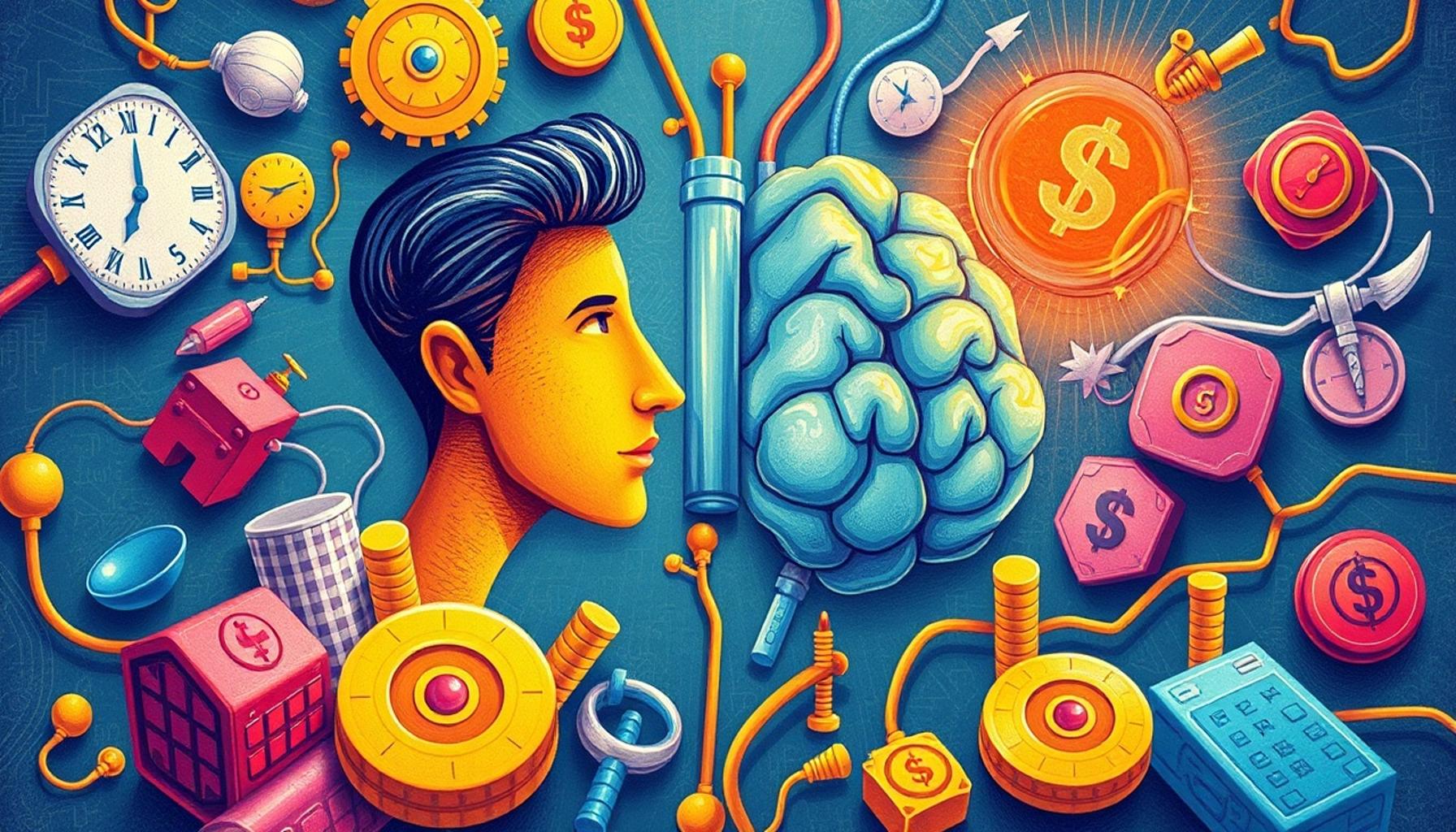
Memory Development: Mental Training Techniques Through Strategy Games and Cognitive Challenges
Unlock Your Mind’s Potential
In today’s fast-paced world, the development of memory is more crucial than ever. Engaging in activities that challenge the brain can lead to improved cognitive skills. Strategy games and cognitive challenges are effective tools for enhancing memory and mental agility. Research shows that a well-trained memory can lead to better decision-making and increased creativity, two essential facets in both personal and professional environments.
Why Focus on Memory Development?
Memory development isn’t just for students or professionals; it’s for everyone. Here are a few reasons why:
- Improves everyday tasks: Remembering where you placed your keys or appointments becomes easier, significantly reducing frustration and enhancing productivity. This can be particularly helpful for busy professionals or parents juggling multiple responsibilities.
- Enhances learning: Improved retention can boost academic performance and skill acquisition. In Nigeria, where education is highly valued, students of all ages can benefit from active memory development to excel in their studies.
- Boosts mental health: Engaging the mind can stave off issues like Alzheimer’s and dementia. Studies suggest that cognitively stimulating activities can lead to a decrease in the risk of cognitive decline, making memory training an essential part of lifelong wellness.
Popular Techniques for Memory Improvement
There are various methods to train your memory effectively. Some techniques include:
- Strategy board games: Games like chess or checkers sharpen decision-making and memory recall. In Nigerian culture, these games can often be found in family gatherings, offering an enjoyable way to foster cognitive skills while spending time with loved ones.
- Cognitive challenges: Puzzles, crosswords, and brain games stimulate different cognitive areas. Mobile apps tailored for memory enhancement, like Peak or Lumosity, offer convenient solutions that fit into the daily routines of busy individuals.
- Memory-enhancing exercises: Techniques such as visualization and association can help solidify memories. For example, creating a vivid mental image or a story around the information you’re trying to remember can make it easier to recall later.
Exploring these activities not only brings enjoyment but also sharpens your cognitive abilities. Whether you’re young or old, diving deeper into the world of memory development through strategic gaming and cognitive challenges can lead to significant improvements in daily life. Join the movement to unlock your brain’s true potential, and watch how enhancing your memory can lead to a more fulfilling and successful life.
YOU MAY ALSO LIKE: Read read another article
Explore the Power of Strategy Games
One of the most effective ways to enhance memory is through strategy board games. Games such as chess and checkers are not only entertaining but also serve as engaging mental workouts that require players to think ahead, make decisions, and remember the positions and movements of various pieces. In Nigeria, these games hold a deep cultural significance, often played in parks and homes, fostering social connections while also sharpening cognitive skills.
Research indicates that participating in strategy games can lead to improved problem-solving abilities and heightened memory retention. Chess, for instance, encourages players to practice foresight as they anticipate opponents’ moves and strategize their own. This mental exercise can mimic real-life scenarios where critical thinking and memory are vital, making it an ideal tool for individuals of all ages.
The Connection Between Games and Memory Enhancement
Engaging in strategy games not only entertains but also provides cognitive benefits, supporting key facets of memory development. Here are some key elements that illustrate this connection:
- Cognitive Load Management: Strategy games often present multiple tasks that require players to juggle various pieces of information. This practice helps in developing the ability to manage cognitive load, essential for multitasking in daily life.
- Spatial Awareness: Many strategy games involve visual-spatial components, which enhance one’s ability to visualize scenarios and improve memory recall associated with directions and locations.
- Pattern Recognition: Successful gameplay often hinges on recognizing patterns and trends, allowing players to devise strategies based on previous outcomes. This hones one’s ability to recall information quickly, an essential memory skill.
Furthermore, the social aspect of playing these games cannot be overlooked. Engaging with family and friends while participating in strategy games creates an emotionally supportive environment. This camaraderie can reduce stress, which in turn positively impacts cognitive functions, including memory development. The rich tradition of board games in Nigeria provides an excellent platform for this type of mental training, demonstrating that enhancing your memory doesn’t have to feel like a chore; it can be a fun and fulfilling experience.
Cognitive Challenges for Memory Training
In addition to strategy games, other cognitive challenges play a vital role in memory development. Activities such as puzzles, crosswords, and brain teasers encourage critical thinking and stimulate various cognitive areas. Many mobile apps, like Peak and Lumosity, offer personalized brain training experiences that fit seamlessly into modern lifestyles, allowing individuals to work on their memory while commuting or during breaks.
Overall, the integration of strategy games and cognitive challenges into daily routines can transform how individuals approach memory development. From fostering social bonds to enhancing problem-solving skills, the benefits are profound. By embracing these mental training techniques, individuals can unlock their memory potential and enjoy a more enriched life.
| Advantages | Details |
|---|---|
| Enhances Problem-Solving Skills | Engaging in strategy games boosts the ability to analyze complex problems and develop effective solutions. |
| Improves Memory Retention | Cognitive challenges stimulate brain regions responsible for memory, enhancing both short-term and long-term recollection. |
Participating in strategy games and cognitive challenges is a powerful method for memory development and mental training. These activities not only entertain but also serve as practical exercises for the mind, increasing neuroplasticity, which is the brain’s ability to adapt and reorganize itself. The enhancements in problem-solving skills achieved through engaging in strategic gameplay are significant, as players must continually assess and adjust their tactics. Each decision they make relies on previous experiences and the analysis of potential outcomes, honing their cognitive flexibility.Furthermore, the improvement in memory retention through such challenges cannot be underestimated. Regular engagement with memory-enhancing activities strengthens the synaptic connections within the brain, allowing for greater volume and efficiency in memory storage and recall. By focusing on these techniques, individuals can pave their way toward sharper cognitive function, ultimately enriching their personal and professional lives. The beauty of these cognitive exercises lies in their accessibility—they can be enjoyed regardless of age, making them a timeless approach to enhancing mental durability.
CHECK OUT: Click here to explore more
Leveraging Modern Technology for Cognitive Training
In today’s digital age, technology has ushered in a new wave of cognitive training options that can complement traditional strategy games. Innovations in mobile applications and online platforms now provide engaging ways to boost memory and cognitive skills. These tools cater to various preferences and skill levels, ensuring that individuals can find the right fit for their mental training journey.
Apps like Brain Age and Cognitive Fun offer tailored workouts that adapt to users’ performance levels, providing challenges designed to enhance memory retention and improve overall brain function. Moreover, these applications often incorporate elements of gamification—using rewards, levels, and achievements to keep users motivated. Such features are particularly effective in stimulating interest and engagement among users, making memory training a fun yet impactful venture.
One notable example is Braindom, which combines puzzle-solving and strategic tasks in a series of levels that promote critical thinking skills while also enhancing memory. Users must remember prior hints and utilize information from previous challenges to progress, which sharpens their cognitive abilities. For the younger generation in Nigeria, such apps can integrate educational content with entertainment, making it easier for schoolchildren to grasp complex subjects while developing their cognitive skills.
Incorporating Traditional Games in Educational Settings
Beyond personal gaming experiences, educators in Nigeria are increasingly recognizing the potential of strategy games and cognitive challenges within the classroom. Schools are adopting game-based learning to stimulate cognitive development in students, utilizing local games such as ayo (a traditional African board game) alongside modern curriculum subjects. This approach encourages teamwork, enhances communication skills, and exposes students to a variety of cognitive challenges.
Furthermore, engaging in strategy-based activities within educational settings promotes inclusivity, as these games require collaboration and provide a platform for children to learn from each other. Teachers can foster an environment where students, regardless of skill levels, can enhance their memory capabilities through playful learning. Incorporating games also helps educators track progress more effectively, as the development of cognitive skills can be observed in students’ problem-solving approaches and memory performance.
Online Challenges and Memory Quizzes
In addition to strategies in educational environments, numerous online platforms offer interactive games specifically designed for memory enhancement. Websites like Memrise and CogniFit provide a plethora of memory quizzes, timed challenges, and engaging activities that encourage users to push their mental boundaries. Users can practice memory recall across different categories, thereby diversifying their cognitive training. This adaptability ensures that learners retain interest while gradually building their mental stamina.
These online cognitive challenges have become especially popular among Nigerian youth in an era marked by increasing screen time. By combining fun and functionality, these brain-training activities can transform ordinary digital time into opportunities for memory development. Moreover, they provide an accessible and relevant approach to enhancing cognitive skills, supporting the potential for academic success and personal growth.
Ultimately, as technology continues to evolve, the future of memory training promises to be increasingly dynamic, blending cognitive challenges with the rich traditions of strategy games. This harmonious blend not only strengthens individual memory capabilities but also fosters a culture of learning that is more engaging and effective.
LEARN MORE: This related article may interest you
Conclusion: Transforming Learning Through Engaging Techniques
In conclusion, the fascinating domain of memory development through strategy games and cognitive challenges opens new avenues for individuals of all ages, particularly in Nigeria, where traditional games meet modern technology. By harnessing the benefits of both physical and digital gaming, learners can experience enhanced cognitive skills that directly contribute to their academic and personal success.
The integration of game-based learning within educational institutions not only fosters teamwork and communication but also provides a platform for inclusive learning among students. As they navigate local games like ayo alongside digital applications, children develop memory retention, critical thinking, and problem-solving abilities in an engaging manner. These findings underscore the importance of enriching traditional learning methods with modern tools to create a multi-faceted approach to cognitive training.
Moreover, the proliferation of interactive platforms and applications designed for memory enhancement, such as CogniFit and Memrise, exemplifies the shift toward more adaptive and inclusive educational strategies. This contemporary approach not only encourages users to challenge themselves but also allows for a flexible learning experience tailored to individual needs. As technology continues to evolve, the fusion of entertainment and education will likely play a pivotal role in shaping the future of cognitive training.
The exploration of memory development techniques through strategy games and cognitive challenges highlights a transformative potential that resonates with learners across Nigeria. By embracing these innovative approaches, individuals can unlock their cognitive capabilities and cultivate a lifelong passion for learning, ultimately contributing to personal, academic, and societal growth.
Related posts:

Beatriz Johnson is a seasoned puzzle enthusiast and writer with a passion for unraveling the complexities of mind games and brain teasers. With over a decade of experience in the world of puzzles, she specializes in topics like logic games, riddles, and strategic challenges. Through her work, Beatriz empowers readers to sharpen their problem-solving skills, think creatively, and stay engaged in the ever-evolving landscape of mind games and puzzles.

Beatriz
Beatriz Johnson is a seasoned puzzle enthusiast and writer with a passion for unraveling the complexities of mind games and brain teasers. With over a decade of experience in the world of puzzles, she specializes in topics like logic games, riddles, and strategic challenges. Through her work, Beatriz empowers readers to sharpen their problem-solving skills, think creatively, and stay engaged in the ever-evolving landscape of mind games and puzzles.