
Vertical Organization: How to Utilize Airspace to Reduce Clutter and Increase Functionality
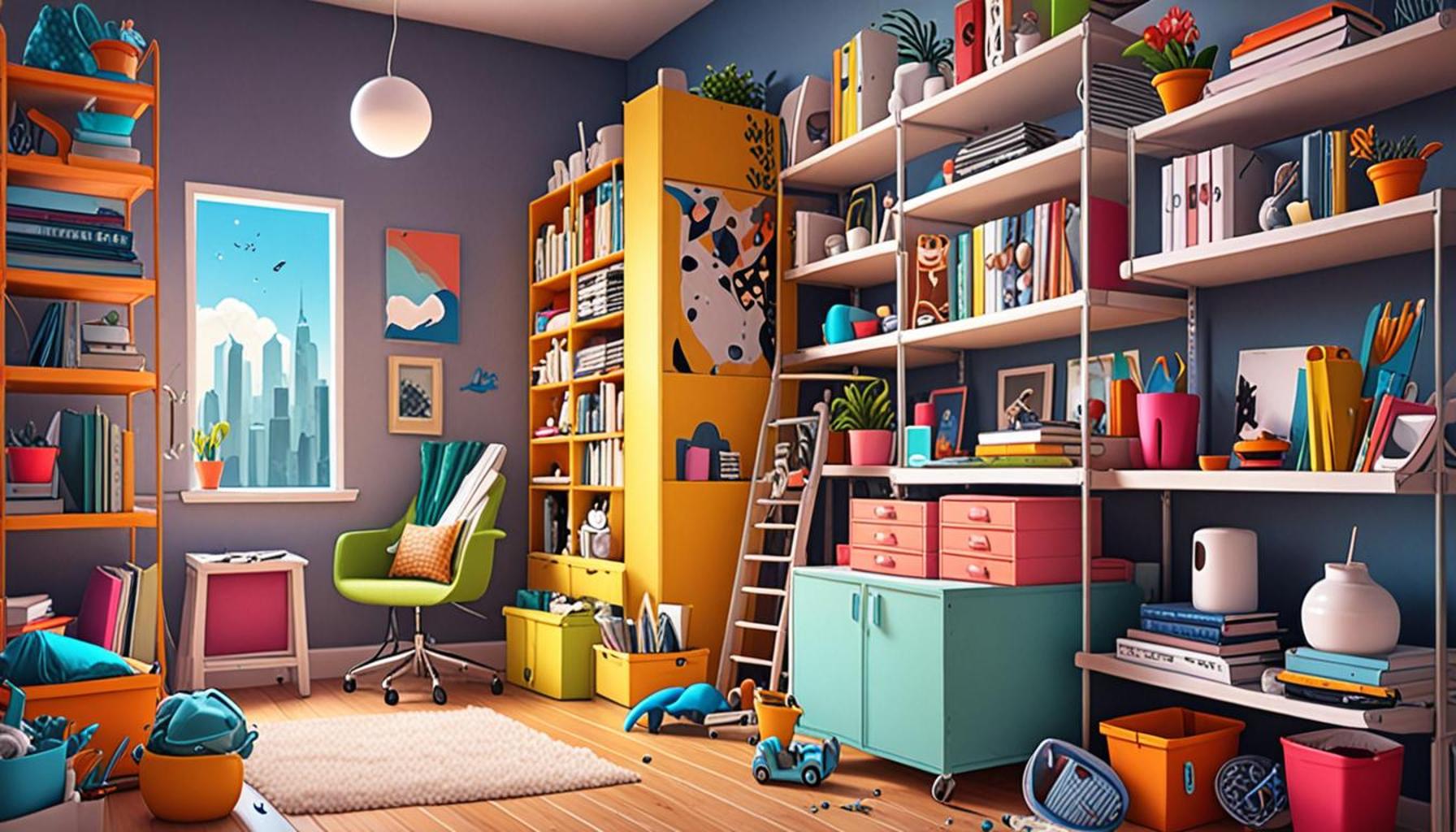
Exploring the Benefits of Vertical Organization in Modern Living
In a world where >space is often at a premium, the challenge of reducing clutter while increasing functionality becomes crucial. Vertical organization offers a smart solution by utilizing airspace effectively. This design approach is not merely about adding shelves; it’s about thoughtfully reimagining spaces to promote efficiency and aesthetics.
Imagine transforming your living spaces with simple adjustments. By going vertical, you can:
- Maximize Storage: Utilizing shelves and wall-mounted racks to store items efficiently frees up floor space, making small areas feel larger. For example, converting a narrow hallway into a gallery of bookshelves not only holds books but also acts as a decorative accent.
- Create Accessibility: Ensure frequently used items are within reach but neatly stored. Install hooks and pegboards in the kitchen or garage to keep tools and utensils off countertops, making them easy to grab while still maintaining a tidy look.
- Enhance Aesthetic Appeal: Design the space with appealing displays that emphasize verticality. This could mean using multi-tiered plant stands to showcase indoor greenery or decorative ladders as shelving units for books or art pieces, adding both style and function.
Families often find themselves battling with disorganized rooms and cluttered countertops. Yet, with strategic changes, such issues can be transformed into optimized spaces that work for you. For instance, a simple vertical storage unit in a child’s room can keep toys organized and accessible while teaching children about tidiness. The key is not just to get creative but also to assess what items can be stored vertically to reclaim valuable floor area.
Homeowners across the United States are discovering the benefits of this innovative approach. From small apartments in New York City where every square inch matters to spacious homes in Los Angeles looking for an urban chic ambience, maximizing airspace is a key to functional living. Also, in bustling cities, where relocation can happen frequently, vertical organization provides a flexible solution that adapts to different layouts without a complete overhaul.
In this article, we will delve deeper into the methods of vertical organization, exploring practical tips, examples, and the advantages that come with embracing this efficient design philosophy. Whether you’re a city dweller or living in a suburban home, understanding the principles of vertical organization can dramatically enhance your living environment, turning chaos into serenity.
DIVE DEEPER: Click here to discover how automation can transform your minimalist lifestyle
Implementing Vertical Strategies: Practical Tips for Every Room
As we dive into the nuances of vertical organization, it’s essential to explore practical strategies that can be easily implemented in any setting. By creatively using airspace, both urban dwellers and suburban homeowners can achieve a clutter-free environment that enhances every facet of daily life. Here are some actionable tips that illustrate how vertical organization can transform your living space:
- Utilize Overhead Space: One of the most underappreciated areas for storage is the ceiling. In kitchens, consider installing pot racks to suspend cookware above the island or countertop. This not only keeps pots accessible but also adds visual interest to the room.
- Incorporate Wall-Mounted Solutions: Wall-mounted shelves, floating cabinets, and pegboards can repurpose wall space into functional storage. For instance, in a home office, floating shelves can store books and supplies without sacrificing floor space, creating a streamlined workspace.
- Accessorize Vertical Storage with Hooks: Hooks can be your best friend when organizing a home. In entryways, install a tier of hooks for bags and jackets, or create a fun display in the kitchen for mugs. This small addition encourages organization and minimizes countertop clutter.
- Introduce Multi-Level Furniture: Opt for furniture that offers multiple tiers or levels. A tiered cart can serve as a mobile bar station or craft area, providing necessary storage while maintaining a compact footprint. In living rooms, consider a coffee table with shelving underneath to house books and magazines vertically.
Research also supports that organized spaces significantly impact mental well-being. According to a study by the National Association of Professional Organizers, 70% of adults feel overwhelmed by their clutter, which can contribute to stress and anxiety levels. By adopting vertical organization techniques, individuals can reclaim their spaces, reduce stress, and improve both their environments and peace of mind.
Moreover, vertical organization is a sustainable design solution within the confines of America’s growing urban landscape. Cities like San Francisco and Chicago, where space often comes at a premium, benefit from these simplifications. Effective use of vertical space not only addresses storage but also creates a more inviting atmosphere, allowing inhabitants to enjoy their homes fully without the constant visual distraction of clutter.
Embracing vertical organization as an integral part of your home’s design encourages a greater sense of control and ensures that your space can adapt to your ever-changing needs. In the following sections, we’ll explore specific examples tailored to different areas of your home, showcasing inspiring implementations that can elevate both functionality and style.
| Advantages of Vertical Organization | Key Features |
|---|---|
| Maximized Space Efficiency | Utilizes vertical space to minimize clutter while enhancing functionality. |
| Improved Accessibility | Items are organized in a clear manner, making it easier to find and retrieve them. |
Vertical organization not only transforms how we view space, it also leads to significant improvements in our daily operations. By leveraging the vertical area within a room, such as walls and shelving, one can effectively reduce clutter and streamline the environment. This approach encourages the conscious arrangement of items in an organized fashion, allowing for easy accessibility.For example, implementing wall-mounted shelves or pegboards enables one to store frequently used tools or kitchen items at arm’s reach, ensuring they are both visible and easily accessible. Moreover, vertical organizers can be customized to suit individual needs, incorporating elements like baskets, hooks, and compartments tailored to specific items. This adaptability promotes a personalized touch while ensuring that spaces remain orderly.As we delve deeper, it becomes clear that utilizing airspace isn’t just about reducing clutter—it’s about enhancing functionality and creating a harmonious living or working environment. This strategic use of vertical space begs further exploration into innovative solutions designed to elevate organization and efficiency.
DISCOVER MORE: Click here for minimalist strategies to maximize your space
Creative Solutions for Vertical Organization in Different Spaces
To leverage the potential of vertical organization effectively, it’s vital to think creatively about how each room in your home can embrace this approach. By customizing storage techniques to suit various environments, you can experience the transformative power of utilizing airspace. Here are some innovative solutions tailored to specific areas throughout the home:
Kitchen Makeover
The kitchen is often the heart of the home, yet it can easily become a chaotic space filled with appliances and utensils. To tackle kitchen clutter, pot racks are just the beginning. Consider installing ceiling-mounted pot racks or magnetic strips for knives that keep counters open. Spices can be organized vertically too—use tiered spice racks placed on walls or within cabinets to maximize visibility without taking up precious counter space. Furthermore, make the most of your pantry by using stackable containers that store items vertically, allowing you to see everything at a glance.
Living Room Optimization
Your living room can become a multifunctional oasis with the right vertical organization strategies. Instead of opting for bulky furniture, explore wall-mounted entertainment centers that free up floor space and create a visually striking focal point. Tall bookshelves can not only organize your literary collection but also serve as an artistic display by incorporating framed artwork or photographs among the books. Additionally, consider using floating side tables positioned between seating areas, which provide a place for drinks while maintaining a minimalist aesthetic.
Bedroom Sanctuary
The bedroom is often an overlooked area when considering vertical organization, yet it can significantly impact your daily routines. To enhance functionality, introduce over-the-bed storage solutions, such as shelves or cabinets that utilize the airspace above the bed. Under-bed storage has also gained popularity, with bins or drawers that can store seasonal clothing or shoes, making them easily accessible while keeping the room tidy. When nightstands are limited, wall-mounted shelves serve as a perfect minimalist alternative to hold essential items like reading lights and books.
Home Office Efficiency
In a world where remote work has become more prevalent, the home office deserves special attention in the vertical organization discussion. Compact desk designs paired with adjustable wall shelves can create a productive workspace that maintains a clean appearance. Utilize a pegboard above your work area for essential supplies and keep them visible yet out of the way. Additionally, installing rolling storage carts can make switching between tasks seamless while retaining a clear floor space ideal for movement and focus.
Bathroom Bliss
Bathrooms often struggle with limited space, but vertical organization presents a multitude of opportunities. Over-the-toilet shelving units can house towels, toiletries, and decorative items, while corner shelving units effectively make use of unused space. Consider adding clear, labeled storage bins on shelves to stack items vertically and maintain organization. For minimalist appeal, wall-mounted baskets can serve as stylish ways to store frequently used accessories, all without encroaching on valuable countertop areas.
By tailoring these vertical organization strategies to the unique needs of each room in your home, you harness the power of airspace to create a relaxing, functional, and clutter-free environment. Embrace your creativity and explore solutions that not only enhance storage capabilities but also showcase your personal style! As we continue, let’s explore vertical organization examples for specific needs and preferences in various homes.
DISCOVER MORE: Click here to learn how
Conclusion: Transforming Spaces with Vertical Organization
In a world where living spaces are often shrinking yet our belongings seem to multiply, vertical organization emerges as an essential strategy for maximizing efficiency and maintaining harmony in our homes. By recognizing the potential within the airspace above us, we not only gain practical storage solutions but also create environments that reflect our unique styles and needs. Across various rooms—from the kitchen and living room to the bedroom, home office, and bathroom—implementing vertical solutions can dramatically change how we interact with our spaces.
As we’ve explored, innovative ideas such as wall-mounted storage, over-the-bed shelves, and pegboards empower us to reclaim lost floor space, making our homes more functional and aesthetically pleasing. Embracing these concepts can lead to a more organized lifestyle, where clutter becomes a thing of the past, and every item has its place. The satisfaction that comes with seeing less chaos and enjoying easy access to necessities cannot be understated.
Ultimately, vertical organization isn’t merely about storage; it’s a mindset that encourages us to think differently about our surroundings. By adopting this approach, we can transform not just our homes, but also how we feel within them. So why not take the first step today? Start by evaluating your current spaces and identifying opportunities to take advantage of that often-overlooked airspace—because a clearer space leads to a clearer mind.