The Simplicity in Art: How Minimalism Can Inspire Creativity and Personal Expression
Exploring Minimalism in Art
In today’s fast-paced world, minimalism offers a refreshing approach to creativity. By stripping away excess and focusing on the essentials, it encourages artists and individuals alike to find beauty in simplicity. This art movement, which emerged in the late 20th century, is not merely an aesthetic choice but a philosophy that permeates various fields of creative expression.
The transformative aspects of minimalism can be categorized in several ways:
- Clarity of Expression: The principle of ‘less is more’ is paramount in minimalism. With fewer elements present, the remaining components are allowed to shine, leading to stronger and clearer messages. For instance, a single bold line in a painting can convey emotions that might otherwise be lost in a complex scene.
- Enhanced Focus: Minimalism directs attention where it matters most, eliminating distractions. This is evident in minimalist design, where the spaces between objects are as significant as the objects themselves. For example, the famous Guggenheim Museum in New York, designed by Frank Lloyd Wright, features a spiraling, open interior that emphasizes the flow of space over decorative elements.
- Emotional Impact: Minimalist art evokes feelings through simplicity rather than complexity. The works of minimalist composer Philip Glass utilize repetitive structures to build emotional resonance, demonstrating that a few notes can have a profound emotional effect without the need for elaborate orchestration.
This trend in minimalism spans various art forms, each demonstrating its unique approach to reducing complexity:
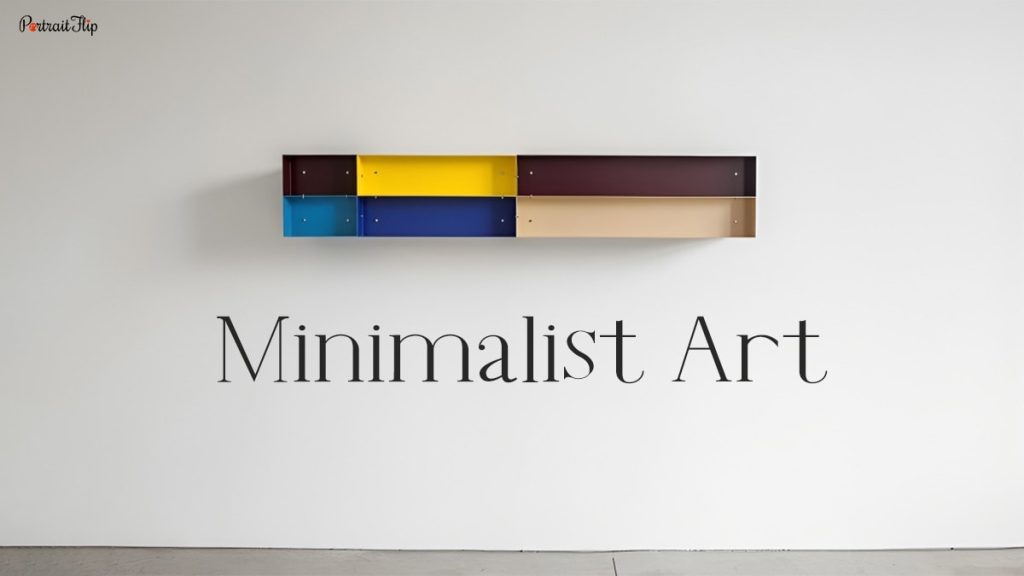
- Visual Arts: Iconic artists such as Donald Judd, known for his geometric sculptures, and Agnes Martin, celebrated for her subtle and serene paintings, exemplify how minimalism can evoke deep reflection and contemplation.
- Architecture: The sleek designs of modern homes, like those crafted by architect Tadao Ando, emphasize functionality while embracing natural materials. These structures often feature an abundance of natural light and open spaces which create tranquil environments.
- Music: Composers like Steve Reich and La Monte Young use repetition and gradual development to create immersive soundscapes that invite listeners into a meditative state, showcasing how minimalism can transcend visual art to affect auditory experiences.
As we delve into the simplicity of art, we uncover how minimalism can be a powerful vehicle for creativity and personal expression. It invites us to strip away the unnecessary in order to focus on the fundamental aspects of our experiences. This approach not only influences artists but also encourages individuals to reconsider their everyday lives, prompting a broader conversation about what it means to create and live with intention in today’s world. By embracing minimalism, we challenge ourselves to find meaning in simplicity, offering a counterbalance to the chaotic nature of contemporary life.
DISCOVER MORE: Click here for tips on creating functional spaces
The Essence of Minimalism: A Tool for Self-Discovery
Minimalism in art serves as an illuminating guide that helps individuals identify their core inspirations and values. It teaches us that creativity does not require grandiosity or elaborate concepts; instead, it can flourish through basic forms and clear intentions. This resonates particularly well in our contemporary society, which often bombards us with overstimulation and clutter. The challenge then lies in distilling our thoughts and ideas into their purest forms.
One cannot discuss minimalism without acknowledging its roots in the principles of Eastern philosophy, notably Buddhism. Concepts such as mindfulness and living in the present moment encourage us to remove distractions from our mental space, making way for true inspiration. By embracing minimalist practices in art and life, we can start to experience a profound shift in how we express ourselves. This is especially visible in creative sectors where less can often lead to more.
- Community Art Projects: Many cities across the United States have adopted minimalist approaches in public art installations. Local artists are encouraged to create spaces that invoke shared experiences while utilizing minimal materials. This cultivates community engagement and invites viewers to reflect on their relationship with space and one another.
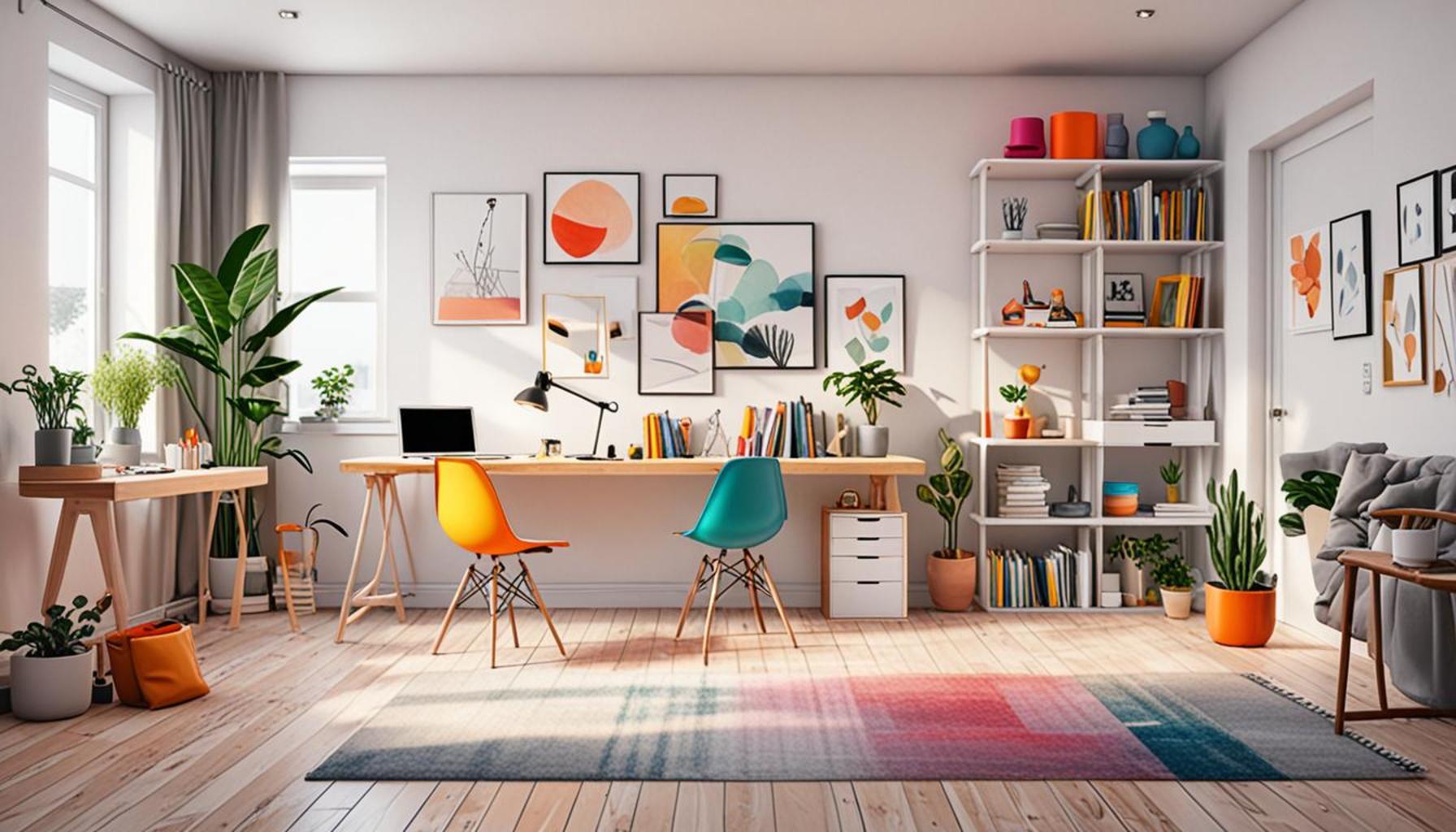
- DIY Art Spaces: With the rising popularity of art therapy, individuals are turning their homes into minimalist studios. By decluttering their physical environment, they remove mental distractions, allowing ideas to flow freely. A bare canvas or a single block of clay can ignite countless creative possibilities.
- Online Platforms: Social media channels like Instagram and Pinterest have become breeding grounds for minimalist art. Artists are using simple visuals to create compelling narratives that engage a wider audience. This trend not only democratizes art-making but also invites individuals to simplify their visual consumption, reflecting on what resonates most profoundly.
Moreover, the adaptability of minimalism allows it to take various forms across different artistic disciplines. For writers, this approach can translate to fewer, more impactful words on the page, while musicians can focus on harmony and rhythm without overwhelming listeners with complexity. This versatility encourages artists to re-examine their methods and find their unique voices within the minimalist paradigm.
Incorporating minimalism into the creative process also aids in fostering intentionality and authenticity. By continuously questioning what truly matters to them, artists can strip away layers that may not contribute to their overall vision. This quest for authenticity not only paves the way for a more meaningful artistic journey but also resonates with audiences seeking genuine connections.
As we navigate through the vast landscape of minimalism in art, it becomes clear that its principles can be harnessed to inspire not just artists but anyone looking to embrace simplicity as a form of creative and personal expression. The challenge remains: how do we capture our ideas in their most essential forms, and what does that process reveal about who we are?
The Simplicity in Art: How Minimalism Can Inspire Creativity and Personal Expression
Embracing minimalism in art serves not only as a stylistic choice but also as a profound lifestyle philosophy that invites individuals to explore their creativity and personal expression. By stripping away the unnecessary, artists can focus on the essence of their work, allowing their true thoughts and feelings to resonate with viewers. This concept can transform not only artistic endeavors but also everyday life, encouraging a deeper connection with oneself and others.
The influence of minimalist art extends globally, impacting various mediums from painting to design. Artists like Donald Judd and Agnes Martin championed simplicity, emphasizing the importance of form and space over ornate details. Their work demonstrates how fewer elements can provoke thought and elicit emotional responses, inspiring audiences to engage more deeply with the art presented to them.
Moreover, minimalism cultivates an atmosphere where creativity can flourish. By reducing distractions in our surroundings, individuals can harness a clearer mental state, which fosters innovative thinking and personal growth. This clarity is essential in today’s fast-paced world, where overwhelming stimuli can stifle imagination and suppress genuine self-expression.
| Category | Description |
|---|---|
| Creativity Boost | Minimalism encourages focusing on essential ideas, allowing for enhanced creative output. |
| Personal Expression | By simplifying elements, individuals can express their core emotions and intentions more clearly. |
The challenge lies in applying these principles to our lives. Whether it is through choosing less clutter in our homes or embracing fewer commitments, minimalism offers us the tools to uncover our authentic selves. Engaging with minimalistic philosophies can lead to a richer, more purposeful existence, opening doors to new creative avenues and deeper connections with our surroundings.
DISCOVER MORE: Click here to optimize your small space
Embracing Constraints: The Catalyst for Innovation
The concept of constraints is at the heart of minimalism, pushing artists to think innovatively within limited parameters. Rather than viewing restrictions as hindrances, many creatives adopt them as invaluable tools that incite novel ideas. This transformative perspective is especially relevant in today’s fast-paced world, where the sheer volume of options can lead to decision paralysis. For artists, imposing limits can simplify their workflow, enabling them to explore deeper thematic content without losing focus.
An example of this can be observed in literary circles where writers employ specific word counts or genre restrictions to challenge their narrative abilities. The flash fiction genre, characterized by stories of 1,000 words or less, forces authors to distill their messages into powerful moments. This practice not only cultivates brevity but also sharpens a writer’s voice, pushing them to conjure emotional depth and resonance through concise language.
In visual art, this idea of constraints can manifest in various forms. Take, for instance, the American artist Donald Judd, who famously employed industrial materials in his minimalist sculptures. Judd’s works exemplify how the limitation of form and a focus on geometry can lead to striking visual simplicity that speaks volumes. The absence of adornments in his designs compels viewers to engage with the inherent beauty of material and space, reinforcing the notion that less truly is more.
- Collaborative Projects: Artists from different backgrounds are increasingly engaging in collaborative minimalist projects that require them to combine their visions while adhering to a unified minimalist aesthetic. Such interactions promote a shared understanding of how simplicity can heighten creativity.
- Workshops and Residencies: Many art institutions host workshops focusing on minimalist art practices, urging participants to create works using limited materials. These guided experiences often unlock fresh avenues of creativity that artists may not have explored otherwise.
- Community Engagement: Artists have also embraced minimalism in community projects, focusing on local themes using few resources. This approach enriches cultural dialogues and fosters a sense of belonging and shared ownership among participants.
Another compelling aspect of minimalism is its potential as a transformative experience that can lead to personal self-reflection. As artists strip down their creative processes, they may uncover deeper emotions and thoughts embedded within their outputs. This emotional clarity can translate into a greater sense of authenticity in their work, inviting audiences to resonate with their journeys and stories. By revisiting the essential questions of “What matters?” and “What do I want to say?”, artists naturally foster a deeper connection between themselves and their viewers, paving the way for more impactful art.
Moreover, minimalism’s influence extends beyond professional artists. Everyday people seeking personal expression can draw inspiration from its principles. Engaging in minimalist art projects, whether through painting, writing, or crafting, offers avenues for self-exploration devoid of societal pressures or expectations. Personal blogs and social media platforms featuring minimalistic visuals act as modern-day canvases for self-expression, allowing individuals to curate their experiences through a minimalist lens.
In a world often characterized by excess, minimalism serves as a beacon guiding us back to the essentials. As we keenly navigate our creative journeys, the simplicity it champions encourages a more profound appreciation of what we create and a renewed passion for the art of expression.
DIVE DEEPER: Click here to discover the journey of minimalism
Conclusion: Rediscovering the Essence of Creativity
In conclusion, minimalism in art is more than just a visual style; it represents a profound philosophy that invites both artists and audiences to reconnect with the essence of creativity and personal expression. By stripping away the superfluous and focusing on the core elements of their craft, artists unlock innovative potential and emotional depth that often remain obscured in a cluttered artistic landscape. The embrace of constraints not only fosters creativity but also empowers individuals to dive deeply into their thoughts and feelings, allowing for a more authentic connection to their work.
As we have explored, minimalism encourages the questioning of what truly matters, both in art and in life. This introspection can lead to richer, more relatable expressions that resonate with viewers on a deeper level. Moreover, the accessibility of minimalist practices makes it an ideal medium for anyone looking to engage creatively without the weight of expectation. From community projects to individual endeavors, the focus on simplicity offers a refreshing approach that prioritizes genuine expression.
As the world continues to grapple with complexity and overstimulation, the principles of minimalism serve as a guide towards clarity and intentionality. By fostering a mindset that values the essence of creation over excess, we can inspire waves of innovation and personal growth. Whether you are an experienced artist or a curious novice, embracing minimalism may indeed be the key to unlocking your creative potential and sharing authentic stories with the world.