Space Management in Events: Creating Minimalist Experiences that Delight Guests
The Importance of Space Management in Event Planning
In the realm of event planning, effective space management has become a game-changer, ensuring that gatherings are not just occupied venues but transformed experiences. Recognizing the influence of environment on guest interaction, organizers now emphasize creating a balanced atmosphere where simplicity reigns. This shift towards minimalism not only promotes aesthetic appeal but also creates an environment conducive to meaningful connections.
The appeal of minimalist design in event planning can be attributed to several key factors:
- Increased engagement: A clutter-free environment minimizes distractions and fosters genuine connections among attendees. For instance, in networking events where conversations are vital, a minimalist layout can encourage attendees to focus on each other rather than being sidetracked by excessive decor or arrangement.
- Enhanced aesthetics: An elegantly designed space with clean lines and thoughtfully placed elements elevates the overall experience. Whether it’s a corporate gala or a wedding reception, minimalistic decor can invoke a sense of sophistication that resonates well with the guests.
- Improved navigation: A strategic layout that minimizes obstacles allows for smooth movement. This is especially crucial in large events where guests might feel overwhelmed if navigation is not intuitive. Clear pathways and organized zones can significantly enhance the flow of the event.
To harness the benefits of space management, event planners must focus on several critical elements:
- Strategic layout: Thoughtfully arranging seating, stages, and decor can encourage interactions. A circular seating arrangement might be ideal for small discussions, while a U-shape can facilitate presentations.
- Functional areas: Designating separate zones for different activities, such as a lounge for networking and a designated area for food and beverages, keeps the venue organized. This delineation allows guests to engage in various activities without feeling crowded.
- Mindful use of decor: While decorations play a vital role in setting the mood, less is often more. Selecting a few impactful pieces—such as a statement floral arrangement or unique centerpieces—can enhance the overall theme without overwhelming the senses.
As we continue exploring the significance of space management, it becomes clear that these practices are integral in shaping event experiences that resonate. By focusing on creating environments that are both functional and aesthetically pleasing, event planners can ensure their gatherings not only meet expectations but also leave a lasting impression on all attendees.
In conclusion, as the event planning industry evolves, adapting to minimalist principles in space management can fundamentally enhance the quality and effectiveness of events. Discovering the art of creating oneself through mindful space design is a free resource available to any planner aiming to elevate their events from the mundane to the extraordinary.
DISCOVER MORE: Click here to uncover effective decluttering strategies
Key Strategies for Effective Space Management
Successfully managing space in an event setting goes beyond mere aesthetics. It’s about constructing a holistic experience that resonates with attendees. Implementing a focused strategy can lead to an impressive transformation of any venue into a sanctuary of minimalist elegance. Here are some fundamental approaches that can help achieve this:
- Understanding the Audience: Understanding the demographics and preferences of your attendees is paramount. For instance, younger generations may appreciate interactive zones that foster engagement, such as hands-on workshops or digital art displays. In contrast, professionals might gravitate toward more structured environments that facilitate networking opportunities, like lounge areas equipped with charging stations and wifi access. By tailoring the space to meet these needs, planners create not just an event, but a welcoming and functional environment that encourages interaction and enjoyment.
- Utilizing Technology: Technology integration can significantly enhance both functionality and aesthetic appeal in event spaces. Digital signage can effectively replace bulky decorative elements while providing attendees with real-time information about schedules, speakers, and activities. Moreover, mobile applications designed for events can serve as virtual guides, helping guests navigate large venues without feeling overwhelmed. Not only does this approach streamline the event experience for tech-savvy audiences, but it also removes physical clutter, allowing for a cleaner and more focused atmosphere.
- Choosing the Right Venue: The selection of a venue plays a pivotal role in effective space management. Opting for spaces that naturally lend themselves to a minimalist theme can save on design costs while enhancing the event’s overall atmosphere. For example, repurposed industrial spaces, characterized by raw materials and open floor plans, can provide an elegant backdrop for events—reducing the need for excessive decorations while lending an authentic feel. Locations such as New York’s Chelsea Market or San Francisco’s Pier 27 can showcase creativity while maintaining a minimalist approach that resonates with contemporary audiences.
- Flexible Furniture Choices: Employing modular and flexible furniture is another key strategy that enables quick changes in layout based on real-time needs. For example, using stackable chairs and collapsible tables allows event planners to adapt the space into different configurations seamlessly. By reconfiguring seating arrangements or creating distinct zones, planners can facilitate a variety of activities, from panel discussions to networking sessions, thus ensuring that the space evolves in response to guest interactions throughout the event.
- Emphasizing Lighting: Lighting is a potent tool in space management that can transform the atmosphere. Warm, ambient lighting creates a cozy atmosphere, while strategically placed spotlights draw attention to essential areas, such as stages and networking corners. Techniques like accent lighting can enhance focal points without overwhelming the senses, allowing planners to maintain a minimalist theme while enhancing the event’s visual appeal. By achieving balanced light distribution, attendees are better able to navigate the space and engage with elements that matter most to them.
When these strategies are thoughtfully executed, they allow for the seamless integration of space and experience. The ultimate goal should be to create environments where every element serves a purpose, enabling guests to enjoy their surroundings without feeling overwhelmed. As we delve deeper into the principles of minimalist space management, it becomes increasingly clear that every decision made during the planning phase is instrumental in crafting memorable experiences that delight attendees and resonate long after the event concludes.
Space Management Strategies for Minimalist Experiences
Space management is an essential facet of event planning that significantly impacts the guest experience. By adopting minimalist principles, event planners can create environments that both resonate with guests and enhance their overall engagement. An effective approach involves organizing space through intentional layouts, ensuring that every aspect of the event serves a purpose. A key strategy is utilizing open floor plans. These layouts allow for free movement and foster interaction among guests. By removing unnecessary décor and simplifying furniture arrangements, planners can create a welcoming atmosphere that invites conversation. This simplicity not only reduces distractions but also enhances the aesthetic appeal of the event. Additionally, creating focal points can draw attention to significant areas, such as the stage or dining area, while keeping secondary spaces uncluttered. Incorporating natural elements, such as greenery or water features, adds to the minimalist theme and promotes a calming ambiance, enhancing the guest experience further.The use of technology can also optimize space management. Tools for virtual or augmented reality can provide immersive experiences without physical clutter, allowing planners to transport guests into different realms without overwhelming them with excessive décor. Incorporating these strategies will improve guest satisfaction and set the tone for a memorable event. By focusing on minimalist designs, planners create enchanting experiences where guests can enjoy simplicity and elegance.
| Advantages of Space Management | Enhancing the Guest Experience |
|---|---|
| Efficient Use of Space | Streamlines guest movement and interactions. |
| Aesthetic Appeal | Simplifies decoration, enhancing overall elegance. |
| Focused Attention | Directs guests’ focus to key areas and activities. |
DISCOVER MORE: Click here to learn about effective systems
Maximizing Guest Engagement Through Thoughtful Space Design
As event planners strive for minimalist elegance, the design of the space must be as much about functionality as it is about aesthetics. By focusing on guest engagement and intentional design, planners can create environments that not only look polished but are also conducive to meaningful interactions. Here are some advanced considerations that further elevate the minimalist approach in space management:
- Creating Multi-Functional Zones: One of the most effective ways to manage space is to design areas that serve multiple purposes. For example, a lounge area can be used for casual networking during breaks and transformed into a workshop space later in the day. By incorporating flexible dividers or movable furniture, planners can easily adapt to the evolving needs of the event. This not only maximizes the utility of the space but also minimizes the physical footprint required for distinct areas, thus aligning with a minimalist ethos.
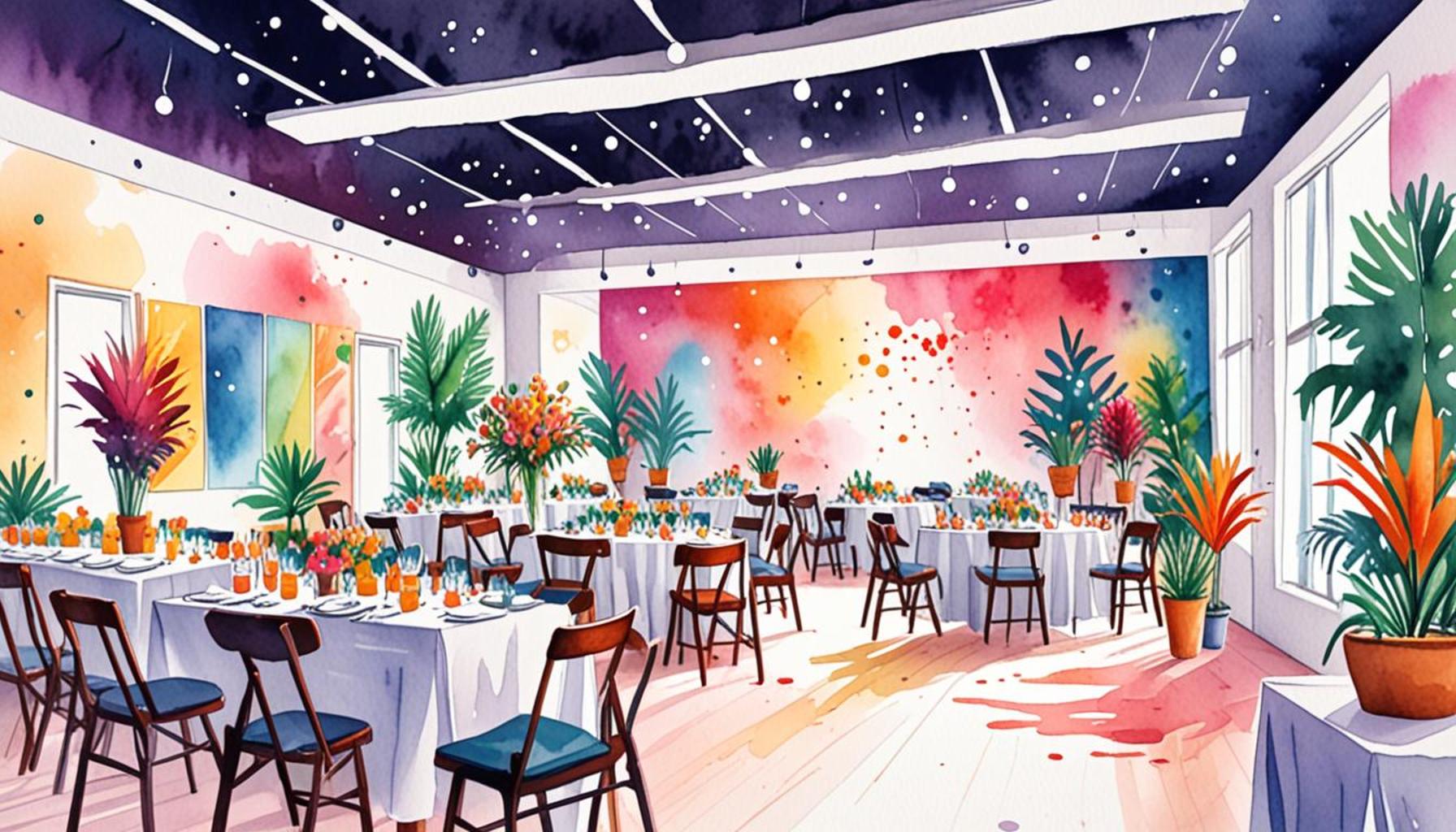
- Incorporating Natural Elements: Bringing the outdoors in can significantly enhance the ambiance of an event space while keeping it minimalist. Plant installations or green walls can add a refreshing touch, improve air quality, and even elevate the mood of attendees. Venues that embrace natural light with large windows or skylights also contribute to a sense of openness and tranquility, reducing the need for additional decor. Nature-inspired themes tap into the growing trend of sustainability, allowing planners to create an eco-friendly atmosphere that resonates with guests.
- Careful Curation of Decor: In a minimalist setting, every decorative element must serve a distinct purpose. Planners should focus on quality over quantity by carefully curating pieces that reflect the event’s themes and values. For example, a few statement art installations can evoke interest without cluttering the space. Moreover, unique, handcrafted items from local artisans not only support community engagement but also add an authentic touch to the decor that resonates deeply with guests. This approach emphasizes a personal connection between the event and its attendees.
- Utilizing Flow and Movement: An effective space management strategy considers how guests will interact within the venue, ensuring a smooth flow of movement. Strategically placed entrances and exits, combined with clear signage and unobtrusive pathways, can help avoid congestion and promote an effortless exploration of the space. Creating a clear, navigable layout reduces frustration and enhances the overall experience, allowing guests to engage more fully with all that the event has to offer.
- Offering Sensory Experiences: Minimalism doesn’t equate to a lack of sensory stimulation; rather, it focuses on curated experiences that captivate attendees’ senses. Thoughtful selections of music, aroma, and tactile elements can create an immersive environment without overwhelming guests. For instance, subtle background music can foster a relaxed atmosphere, while incorporating scented elements like candles or essential oils can evoke specific emotions. A balanced sensory experience invites deeper interactions and keeps attendees engaged throughout the event.
In the realm of space management for events, every choice and arrangement can create ripples of impact on the attendee experience. As planners hone their skills in creating minimalist environments, they must remember that the ultimate goal is not only to simplify but also to enrich. By prioritizing thoughtful designs that foster interaction, creativity, and connection, event spaces become memorable destinations that leave lasting impressions.
DISCOVER MORE: Click here for tips on maximizing small spaces!
Conclusion: Elevating Events Through Minimalist Space Management
In the dynamic world of event planning, space management plays a crucial role in shaping the guest experience. By embracing a minimalist approach, planners not only create visually appealing environments but also foster genuine connections among attendees. A focus on multi-functional zones ensures that each area serves a purpose, adapting effortlessly to the needs of the event as they evolve. This flexibility is key to maximizing utility while maintaining an uncluttered aesthetic.
Furthermore, the incorporation of natural elements and thoughtfully curated decor elevates the ambience, linking the event experience to sustainability and local artistry. By carefully selecting only the most impactful decor, planners can create a personal connection that resonates deeply with guests. By utilizing principles of flow and movement, the event space can smoothly guide attendees through their interactions, enhancing their overall engagement and satisfaction.
Finally, offering sensory experiences allows planners to captivate and immerse guests in the event without overwhelming them. Striking a balance between minimalist decor and rich sensory stimulation can create a memorable atmosphere that encourages lasting connections.
As event professionals navigate the complexities of space management, it is vital to remember that minimalist design is not merely about reducing clutter but about enhancing engagement and enriching experiences. With each thoughtfully designed detail, planners can transform ordinary events into extraordinary experiences that delight guests and leave a lasting impression long after the final curtain falls.