Minimalist Leisure Spaces: How to Organize Environments for Relaxation and Recreation
Creating Calm and Inviting Spaces
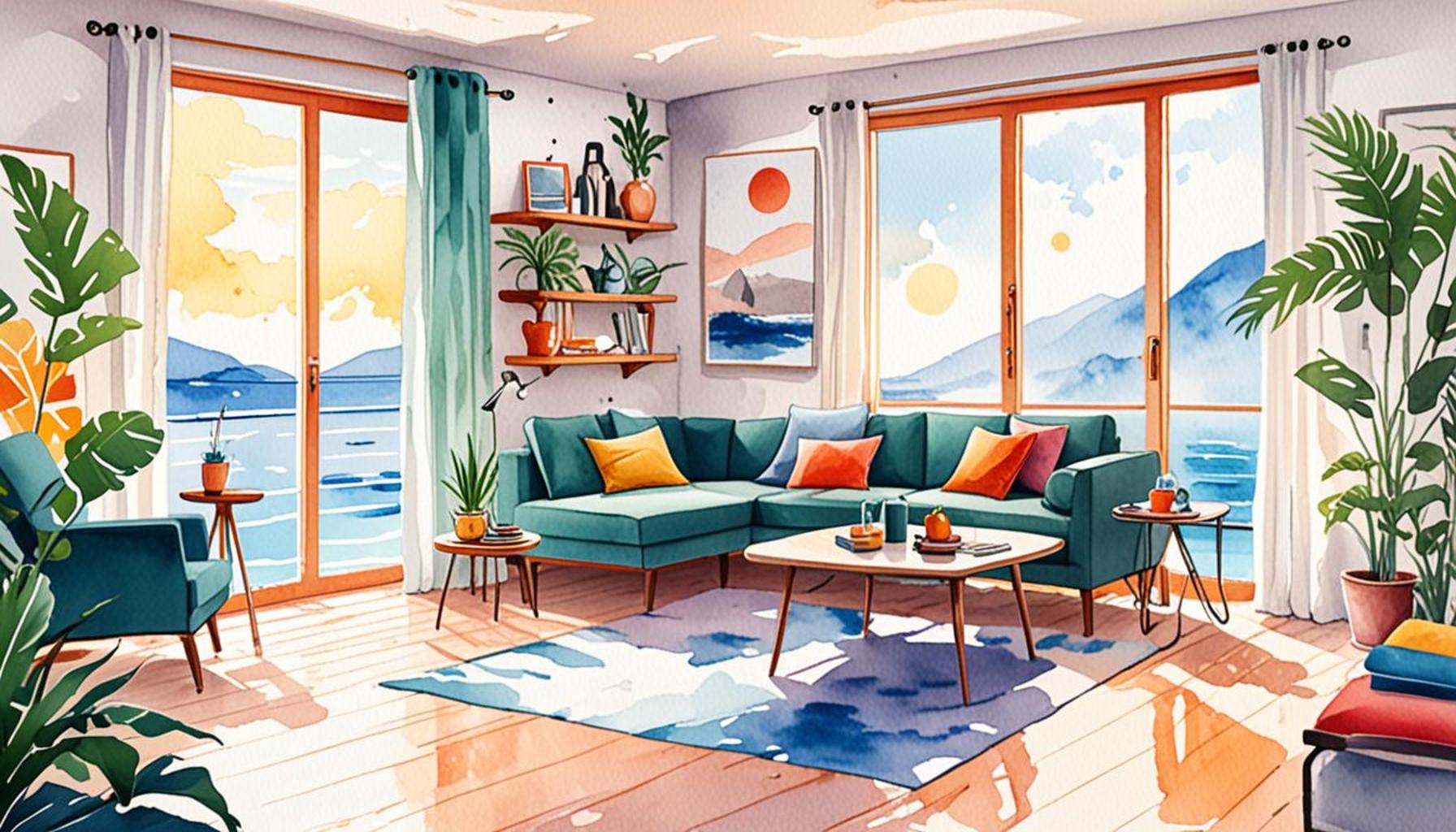
In today’s fast-paced world, the need for relaxation and recreation is more important than ever. A minimalist leisure space can serve as the perfect sanctuary, allowing people to escape daily stresses and focus on recharging. By simplifying our environments, we can enhance our well-being and creativity. But how exactly does one create such spaces that resonate with tranquility and calmness?
Key Features of Minimalist Leisure Spaces
- Decluttered spaces: Removing excess items creates a sense of tranquility. This can be as simple as clearing off a coffee table or organizing a bookshelf. Even a small space can feel much larger and more inviting when unnecessary items are eliminated. Consider adopting the practice of the “one in, one out” rule, where you remove an item for every new item you bring into your space.
- Neutral color palettes: Soft tones can foster a calm atmosphere. Colors such as whites, beiges, or soft grays can make a significant difference in creating a serene environment. By opting for furnishings and decor in these colors, one can set the foundation for a peaceful retreat right at home.
- Functional furniture: Pieces should serve multiple purposes while maintaining simplicity. For instance, a coffee table that doubles as storage or a sofa bed allows for practical use of space without overloading it with unnecessary furniture. Look for designs that are sleek and elegant to maintain the minimalist aesthetic.
- Natural elements: Incorporating plants or natural light can enhance relaxation. Plants not only purify the air but also bring a touch of nature indoors. For instance, the popular snake plant is low-maintenance and thrives in various lighting conditions, making it an ideal choice for busy individuals. Additionally, consider using sheer curtains to maximize natural light while maintaining privacy.
Transforming your home into a minimalist leisure environment involves thoughtful organization and design choices. Essential principles include focusing on functionality and cultivating a sense of openness. Using furniture that complements rather than overcrowds a room can greatly influence how one feels in the space. With an emphasis on balance and simplicity, these spaces invite relaxation and inspire recreation.
Benefits of Minimalist Design
- Reduces stress: A clutter-free environment promotes mental clarity. Scientific studies suggest that living or working in a simplified environment can lower anxiety levels, allowing individuals to think and feel clearly.
- Encourages mindfulness: An intentional space fosters present-moment awareness. Spending time in a peacefully organized room can lead to moments of reflection and meditation, which are instrumental for maintaining mental health.
- Increases productivity: A calm setting can enhance focus and creativity. Many remote workers in the United States find that a minimalist home office boosts their efficiency, free from distractions that a cluttered space creates.
Join us on this journey of discovering the potential of minimalist leisure spaces, and learn how to organize your environments for the ultimate relaxation and recreation experience. By embracing these principles, you can not only improve your home but also create a personal haven that serves as a retreat from the chaos of everyday life.
DISCOVER MORE: Click here to learn about the mental health benefits of decluttering
Designing Your Minimalist Retreat
Creating a minimalist leisure space requires thoughtful design and intentional decisions that align with the goals of relaxation and rejuvenation. This journey begins with assessing your current environment and understanding what’s necessary versus what contributes to chaos. By implementing key strategies to streamline your surroundings, you can fashion an oasis that promotes not just relaxation but also invites meaningful activities that enrich your life.
Start with a Clear Vision
Before diving into decluttering, take time to visualize what your ideal minimalist leisure space looks and feels like. Consider these guiding questions: What activities will you engage in? Will it primarily be a place for quiet reflection, yoga, crafts, or perhaps entertaining friends? Understanding the primary purpose of the space allows you to make more informed decisions about what to include or remove.
Incorporating Essential Elements
- Comfortable Textiles: Choose cozy, minimalistic textiles that encourage relaxation. Soft throw blankets, plush seating, and natural fiber rugs can create an inviting atmosphere. Opting for materials like cotton, linen, or wool can amplify warmth while maintaining a clean aesthetic.
- Mindful Accessories: Accessories should enhance, not clutter. Select a few thoughtfully chosen decorative pieces, such as minimalist art or a simple vase with fresh flowers, that bring joy without overwhelming the senses. Remember, less is more, and quality will always triumph over quantity.
- Smart Storage Solutions: Decluttering can lead to a more open feel, but it’s essential to have smart storage solutions in place. Multifunctional furniture, such as benches with hidden storage or under-bed organizers, can help maintain an orderly environment while reducing visual clutter.
- Zone Creation: If your leisure space has multiple functions, consider creating distinct zones for activities. This can be as simple as using area rugs or furniture placement to delineate areas for reading, meditation, or crafting. Each zone should embody the same minimalist principles to maintain continuity throughout the space.
As you craft your minimalist leisure space, remember that your aim is to curate an environment that fosters tranquility and relaxation. The choices you make should reflect your personal style while aligning with minimalist ideals. Embrace the journey of transformation, focusing on what truly serves you, and watch as your space evolves into a haven of peace and inspiration.
Engaging the Senses
The right minimalist leisure space should also engage your senses. Consider how lighting, sounds, and scents can enhance your experience. Projects like installing dimmable lights or creating a soft acoustic playlist can dramatically alter the atmosphere, encouraging relaxation. Additionally, natural scents from essential oils or candles in soft fragrances like lavender or eucalyptus can promote a sense of calm, making your space a true sanctuary.
As you refine and implement these elements, you’ll find that minimalist leisure spaces are not simply about the absence of items but also about the presence of peace and purpose. The result will be an environment tailored to recharging your energy and sparking creativity, making it an indispensable part of modern living.
| Category | Features |
|---|---|
| Open Layouts | Enhances flow and promotes a sense of spaciousness, allowing for easier movement. |
| Natural Materials | Incorporates sustainable elements that foster a connection to nature, creating a calming atmosphere. |
| Multi-Functional Furnishings | Maximizes space and offers versatility, providing both comfort and practicality for relaxation or recreation. |
| Minimal Decor | Reduces distractions to promote mental clarity and peace, helping to rejuvenate the mind. |
| Ambient Lighting | Creates a serene environment by using natural light or soft artificial lighting, enhancing moods. |
In crafting minimalist leisure spaces for relaxation, it is crucial to consider key elements that resonate with the need for tranquility and recreation. The use of open layouts can enhance spatial flow, promoting smoother transitions between areas and allowing one to feel more at ease. Furthermore, incorporating natural materials into your space not only connects you with the outdoors but also fosters a peaceful ambiance that encourages moments of rest and refreshment.Adding multi-functional furnishings ensures that the space is adaptable for various activities, whether it’s reading a book or hosting friends. This versatility builds an inviting environment that is as functional as it is relaxing. Additionally, a focus on minimal decor can substantially reduce visual distractions, promoting clarity of thought and facilitating a serene space.Finally, consider ambient lighting, as it plays a significant role in creating an atmosphere conducive to relaxation. Using soft lights can elevate your mood and make your leisure space a sanctuary for rejuvenation. Together, these elements create an organized environment that speaks to the essence of minimalist design while enhancing relaxation and recreation.
DISCOVER MORE: Click here for tips on creating functional spaces
Maximizing Functionality with Multifunctional Spaces
In our increasingly busy lives, the importance of multifunctional spaces cannot be overstated. As you shape your minimalist leisure space, consider incorporating elements that can serve multiple purposes. This approach not only enhances utility but also aligns with the principles of minimalism by reducing the need for excessive furnishings.
Adaptable Furniture
When choosing furniture for your leisure area, prioritize adaptability. For instance, a fold-out sofa can seamlessly transition from a space for relaxation into a guest bed when needed. Nesting tables can provide surface area for activities and collapse into a compact shape when not in use. The versatility of furniture encourages a dynamic environment, perfect for both recreation and relaxation.
Optimizing Vertical Space
In minimalist designs, the heart of decluttering often lies in optimizing vertical space. Wall-mounted shelves provide an excellent opportunity to free up floor space while still allowing for essential elements to be displayed. Use these shelves for books, plants, or even art that enhances your leisure space. By drawing the eye upward, you create the illusion of a more expansive area, contributing to feelings of openness and airiness.
Integrating Nature
Biophilic design, or the practice of incorporating nature into your living spaces, is an essential aspect of crafting a minimalist leisure environment. Bringing in natural elements can significantly impact your wellbeing and enhance relaxation. Consider including indoor plants like snake plants or pothos, which are known for their air-purifying qualities. Furthermore, large windows that invite natural light create a serene atmosphere and promote a stronger connection to the world outside.
The Harmony of Color
The color palette of your leisure space plays a crucial role in crafting an inviting environment. Opt for a neutral color scheme with varying shades of whites, grays, and earth tones that foster tranquility. Accent these colors with soft pastels or serene blues and greens, mirroring the calming ambiance of nature. This choice will not only reinforce your minimalist ethos but also create a cohesive and soothing atmosphere.
The Importance of Decluttering Regularly
Minimalism is an ongoing practice, and maintaining a minimalist leisure space requires regular decluttering. It’s essential to revisit your space periodically and assess whether items still serve a purpose or bring joy. Set aside dedicated time each month to review your belongings, ensuring your environment remains a true reflection of your priorities and lifestyle. Implementing a one-in-one-out rule can be effective; each time you bring in a new item, consider letting go of another. This practice encourages mindful consumption and keeps your leisure space crisp and uncomplicated.
The pursuit of a minimalist leisure space transcends mere aesthetics; it’s about cultivating a sanctuary that allows for leisure and creativity without distraction. By maximizing functionality, integrating nature, and committing to regular maintenance, you can create a seamless environment that encourages relaxation, enhances productivity, and supports a holistic approach to living well. Remember, every choice you make influences your journey toward a tranquil and fulfilling lifestyle.
DISCOVER MORE: Click here to learn how intentional choices can enhance your minimalism
Embracing the Minimalist Approach to Leisure Spaces
In conclusion, the creation of minimalist leisure spaces serves as a powerful antidote to the chaos of modern living. By focusing on essential elements, you can cultivate an environment that promotes both relaxation and creativity. The integration of multifunctional furniture empowers these spaces, allowing them to adapt to your needs, while the smart use of vertical space helps maintain a sense of openness and room to breathe.
Equally important is the incorporation of nature into your leisure areas. The benefits of biophilic design extend beyond aesthetics, bolstering mental health and enhancing tranquility in our daily lives. A well-thought-out color scheme contributes to the overall ambiance, while regular decluttering ensures that your environment remains a true sanctuary, free from distractions.
Adopting these strategies doesn’t only create a visually appealing space; it also fosters a lifestyle where relaxation and recreation coexist harmoniously. Consider this: in a world filled with noise and excess, the act of choosing simplicity can be revolutionary. Each step you take toward a minimalist leisure space deepens your relationship with your environment and encourages a mindful way of living. As you embark on this journey, remember that less truly can be more, leading not just to a decluttered space, but to a more peaceful and fulfilling life experience.
To further explore and personalize your minimalist leisure space, consider researching local design workshops or following online communities dedicated to minimalism and sustainable living, embarking on a journey that’s not only visually transformative but also enriching in essence.