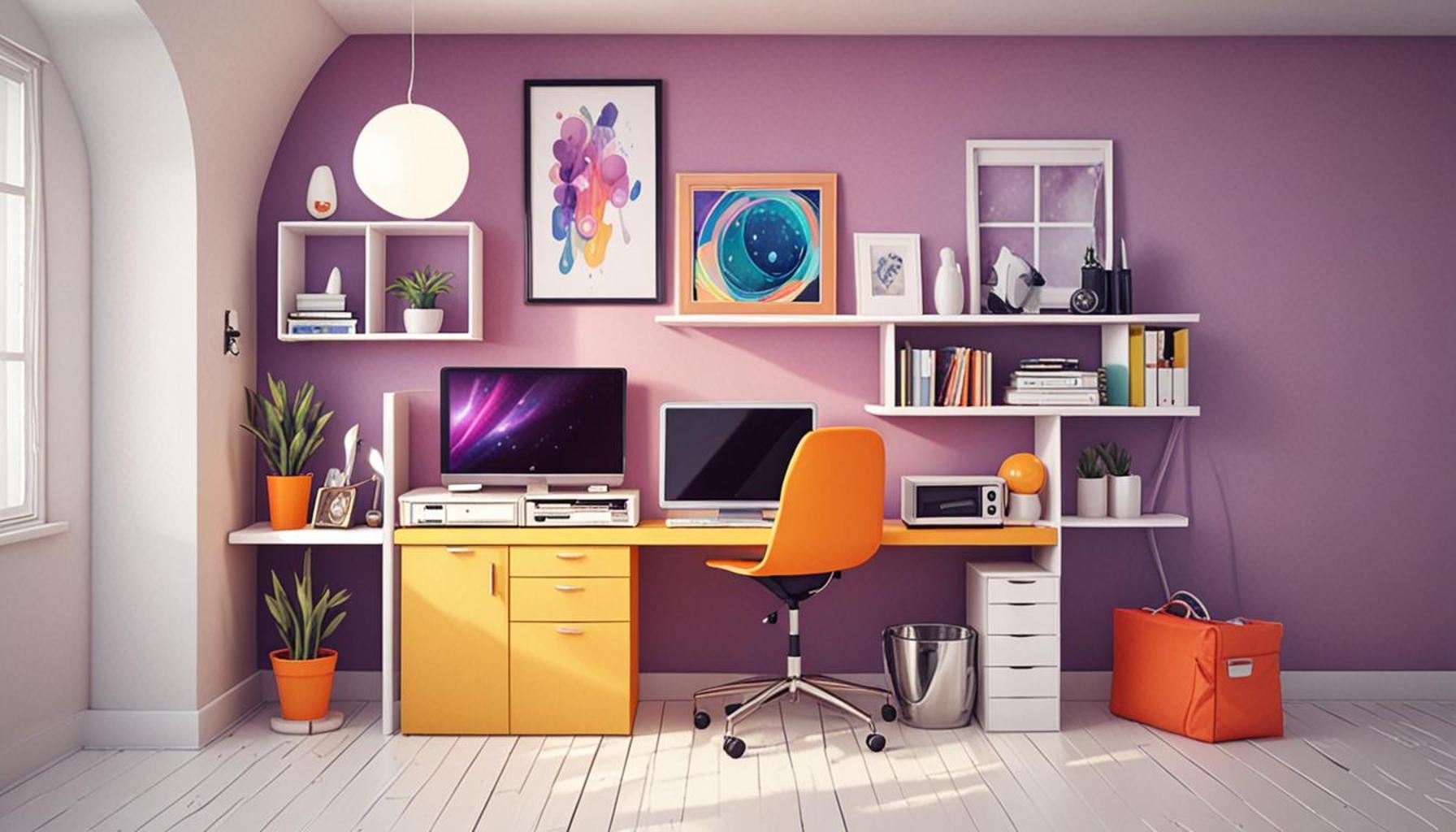
Minimalism and Workspaces: Creating Environments that Promote Focus and Mental Clarity

The Power of Minimalism in Professional Settings
In a world increasingly characterized by distractions—from constant notifications to unending to-do lists—the notion of minimalism offers a refreshing reprieve. By concentrating on what truly matters and eliminating the excess, a minimalist workspace can significantly enhance one’s focus and promote mental clarity.
One of the most profound advantages of adopting a minimalist approach in work environments is reduced stress and anxiety. Research has repeatedly shown that clutter can lead to feelings of being overwhelmed, making it challenging to concentrate on tasks at hand. A tidy workspace does not just look appealing; it contributes to a sense of control and order, fostering a tranquil atmosphere conducive to productivity.
Enhanced productivity is another key benefit. With fewer distractions, tasks can be streamlined, allowing individuals to hone in on their objectives efficiently. Instead of sifting through piles of papers or dealing with various gadgets, a minimalist workspace promotes the “less is more” philosophy. For instance, many professionals find that having a single multifunctional device, such as a laptop that integrates communication and project management tools, is more beneficial than juggling multiple devices.
Furthermore, minimalism often leads to improved creativity. A decluttered environment allows the mind to expand, enabling innovative thoughts to flow. When the physical space is free from unnecessary items, it mirrors the mental space available to brainstorm and envision new ideas. For example, a designer might find inspiration for their next big project in a quiet and minimalist studio filled with natural light rather than a crowded, chaotic office.
Many successful individuals are embracing minimalist designs in their workspaces by investing in:
- Simple furniture that serves multiple purposes—think desks that can easily transform into standing workstations.
- Neutral color palettes like whites, grays, and soft earth tones, which can soothe the senses, reduce eye strain, and create a calm work environment.
- Natural lighting through large windows or skylights, which has been shown to boost mood and energy levels, making it easier to stay focused throughout the day.
Studies indicate that maintaining a clean and organized workspace can greatly improve concentration levels, an essential factor in today’s fast-paced work culture where every minute counts. Indeed, a well-considered minimalist workspace could be the key to unlocking your maximum productivity.
As you explore the principles of minimalism, consider how these strategies can not only enhance your workspace but also enrich your overall productivity and satisfaction. The journey into minimalism invites you to reassess your work environment and uncover the hidden potential for greater effectiveness in your daily routine.
DISCOVER MORE: Click here to learn about the mental health benefits of decluttering
Designing with Intention: Key Elements of a Minimalist Workspace
The journey toward a minimalist workspace is one that requires intention and thoughtful design. To cultivate an environment that promotes focus and mental clarity, it’s essential to consider several key elements that can drastically transform how you interact with your work.
One fundamental aspect to address is decluttering. Committing to a regular decluttering schedule can bring about remarkable changes in how one perceives their workspace. Experts suggest that a workspace should only contain items that serve a purpose or spark inspiration. This means evaluating every piece on your desk, from pens to plants, and deciding whether it truly adds value or simply contributes to visual noise.
In addition to physical decluttering, digital minimalism also plays a pivotal role. Just as one’s physical environment can become overrun with excessive items, virtual workspaces often become cluttered with notifications, files, and digital distractions. Organizing digital files into clearly labeled categories and limiting notifications to only the essentials can help enhance focus. Streamlining software tools can also boost efficiency; opting for all-in-one platforms like productivity suites enables users to reduce their reliance on multiple applications.
The arrangement of furniture and the selection of functional pieces are equally important in achieving a minimalist aesthetic. A well-thought-out layout not only maximizes space but also encourages productivity. Consider these tips:
- Whitespace is your friend: Allow for ample empty space on your desk to prevent clutter from creeping back in and to enable better focus.
- Furniture flexibility: Choose adaptable furniture, such as desks with adjustable heights, so the workspace can shift from seated to standing, promoting better health and energy levels.
- Supportive ergonomics: Invest in simple yet ergonomic seating that will encourage you to maintain correct posture while working for extended periods.
Another significant component of a minimalist workspace is the use of natural elements. Incorporating aspects such as plants or natural materials can foster a serene atmosphere while purifying the air. Studies have shown that spending time in nature or having elements that remind one of the natural world can lead to reduced stress and better mental health, essential factors for enhancing focus during the workday.
Moreover, the power of simple color schemes cannot be overlooked. Psychologists suggest that colors can significantly influence mood and energy levels. Opting for calming shades of blue or green, combined with clean whites and neutral tones, can create a revitalizing environment that helps maintain concentration and boosts cognitive performance.
Ultimately, creating a minimalist workspace reflects a deeper understanding of what is necessary for personal productivity and mental well-being. By thoughtfully addressing the design, organization, and intentionality behind every component, you can pave the way for a workspace that not only looks good but also enhances clarity and focus throughout your workday.
| Advantage | Impact |
|---|---|
| Reduced Clutter | Minimizing physical distractions helps enhance focus and productivity in workspaces. |
| Intentional Design | Creating a purposeful workspace fosters mental clarity and creativity, elevating overall performance. |
| Natural Light Utilization | Incorporating natural light in minimalistic designs supports psychological well-being and overall health. |
| Personalization | Encouraging individuals to personalize their space can lead to a higher sense of ownership, fostering a positive mindset. |
The minimalist workspace encourages efficiency by creating a streamlined environment that eliminates unnecessary elements, allowing individuals to focus on what truly matters in their tasks. Incorporating natural elements, such as plants or adaptive lighting, further enhances this principle, marrying function with aesthetic appeal. As these environments evolve, the benefits of intentional space design become increasingly apparent, promising a boost in both mental clarity and task execution. Embracing minimalism in workspaces is not just about decoration; it’s a philosophy that transforms how we interact with our surroundings, intertwining mental health with productivity seamlessly. Interested individuals can explore how simple changes might lead to profound impacts on their working lives and overall well-being.
DISCOVER MORE: Click here to unlock the secrets of digital decluttering
Implementing Minimalism: Practical Strategies for Your Workspace
As we delve deeper into creating environments that foster focus and mental clarity, it’s essential to implement actionable strategies that bring minimalism into your workspace. These practices go beyond mere aesthetics; they are about crafting a holistic environment conducive to productivity and well-being.
One effective approach is adopting a designated workspace. Whether you work from a home office or a small corner of your living room, having a specific area dedicated solely to work helps signal to your brain that it’s time to focus. This separation not only enhances productivity but also fosters a feeling of ownership and purpose. In a study published in the Journal of Environmental Psychology, researchers found significant improvements in cognitive performance when individuals worked in designated areas free from distractions.
Incorporating a daily routine can further streamline your workflow and minimize decision fatigue. Simple habits, such as setting aside time at the beginning and end of each day to organize and review tasks, can help keep both physical and digital spaces uncluttered. Utilizing productivity techniques like the Pomodoro Technique—which divides work into intervals (typically 25 minutes) followed by short breaks—can complement this routine, allowing for sustained focus while ensuring mental rejuvenation throughout the day.
When it comes to technology, being selective is crucial. Many professionals fall into the trap of using multiple tools for a single task, leading to chaotic organization and frustration. Instead, investing in a few versatile tools designed for specific outcomes can significantly enhance productivity. For instance, consider using a single project management platform to integrate task tracking, calendar events, and even file sharing, thereby reducing the number of applications and tools needed to maintain efficiency. Popular options include tools like Trello and Asana, both of which offer streamlined functionalities for project management.
In addition to organizing physical and digital spaces, it’s important to pay attention to ambient factors that can affect your work experience. The sensory environment you create around you can greatly influence your mood and productivity. For example, utilizing scent can stimulate the senses and promote clarity. Citrus fragrances, like lemon and orange, are often noted for their energizing properties, while lavender is known for its calming effects. An essential oil diffuser or scented candles can be subtle yet effective ways to enhance your workspace.
Furthermore, consider the lighting in your workspace. Optimal lighting can vastly improve focus levels and reduce eye strain. Ideally, natural light should be prioritized; studies reveal that exposure to natural light can lead to higher energy levels and improved overall well-being. If natural light isn’t an option, investing in adjustable LED lights that mimic daylight can serve as a suitable alternative.
Lastly, infuse your workspace with motivational elements that resonate with your goals and aspirations. Curate a small selection of inspiring books, art prints, or personal mementos that are both visually appealing and serve as reminders of your objectives. By ensuring that the few decorative items you keep truly resonate with you, they can become powerful tools for motivation rather than distractions.
By implementing these practical strategies, you can design a minimalist workspace that not only encourages focus but also nurtures mental clarity, ensuring that productivity and well-being remain at the forefront of your work experience.
DON’T MISS: Click here to declutter your digital space
Conclusion: Embracing Minimalism for Enhanced Productivity
In the fast-paced world we navigate today, the powerful correlation between minimalism and our work environments is becoming increasingly evident. By streamlining our physical and digital spaces, not only do we foster a sense of order, but we also cultivate an atmosphere ripe for focus and mental clarity. As outlined throughout this article, implementing straightforward strategies—like designating specific work areas, establishing daily routines, being selective with technology, and enhancing sensory elements—can create a workspace that motivates rather than distracts.
Moreover, the importance of ambient factors such as lighting and scent cannot be overstated. They greatly affect our mood, energy levels, and, ultimately, our productivity. By prioritizing these elements, we can design a space that not only looks aesthetically pleasing but also enhances our cognitive function and encourages us to work at our best.
As you reflect on your current workspace, consider how minimalism can transform your approach to work. Adopting a minimalist mindset is not merely about aesthetics—it’s a holistic approach to improving your work experience, paving the way for increased creativity and less mental clutter. In our collective journey towards better well-being and productivity, minimalism serves as a valuable compass, guiding us toward environments that resonate with focus and intention. With the right considerations and adjustments, anyone can embark on this enlightening pathway to a more productive, clear-minded, and fulfilling work life.