
Minimalism and Technology: Finding the Balance between Connection and Disconnection in Modern Life

The Rise of Mindful Interaction
In today’s digitized society, the concept of minimalism transcends beyond physical belongings; it extends to how we interact with technology. As a society obsessed with the latest gadgets and an incessant flow of information, we often find ourselves bombarded with notifications and the pressures of social engagement. These constant digital inputs can lead to feelings of anxiety and isolation, ultimately hindering our personal relationships and inner peace.
Understanding Our Digital Behavior
Many of us underestimate the amount of time we dedicate to social media engagement. The average American spends approximately 2 hours and 31 minutes each day on social media platforms. This staggering statistic prompts a critical self-reflection: what value do these virtual interactions bring to our lives? Are we building genuine relationships, or merely skimming the surface of meaningful connection? It’s crucial to evaluate how we use these platforms, deciding which interactions add value and which merely distract.
The Power of a Digital Cleanse
Imagine stepping away from your devices for even just a weekend. A digital cleanse can offer an opportunity to reconnect with your thoughts and feelings, free from the constant pings of notifications that often dictate our attention. Research shows that taking breaks from screens can significantly reduce stress levels, improve sleep quality, and enhance overall mental clarity. Consider setting boundaries for technology use, such as designated tech-free evenings or specific hours during the week dedicated to self-reflection and offline activities.
Intentional Technology Use
While completely cutting off from technology may not be feasible for many in our hyper-connected world, mindful usage can be transformative. Intentionality in how we interact with our devices is key. For instance, instead of aimlessly scrolling, we can choose to engage in meaningful conversations through video calls or share curated content that reflects our values. This approach allows us to create more enriching experiences without sacrificing the relationships that matter.
Finding Balance in a Digital Age
The journey toward minimalism is deeply personal, yet it is fundamental in cultivating a balanced life amidst digital chaos. By prioritizing connection over distraction and consciously engaging with technology, we can strip away unnecessary clutter in our lives. With these strategies in hand, achieving harmony between our online and offline worlds is not just a possibility—it can become a cornerstone of a fulfilled, mindful existence.
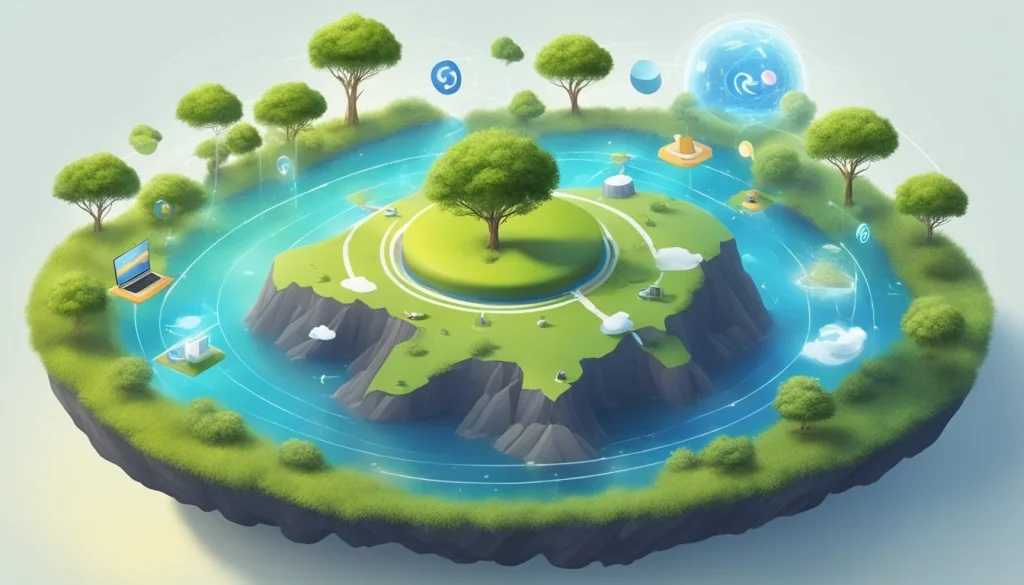
As we navigate this complex landscape, let us challenge ourselves to embrace simplicity and purpose in our interactions. The path to achieving a healthy relationship with technology is a continuous journey of discovery, one that promises not only tranquility but also profound personal growth.
DON’T MISS: Click here to discover how automation can streamline your life
Reevaluating Our Digital Footprint
As we journey deeper into the digital age, one fundamental question emerges: how do our daily interactions with technology shape our lives? To fully grasp the implications of our digital behaviors, we must first reevaluate our digital footprint. This means closely examining how our online habits influence our mental well-being, productivity, and relationships. A significant aspect of this evaluation is understanding the concept of digital clutter. Just as physical clutter can overwhelm our living spaces, digital clutter can invade our mental landscapes, creating noise that obscures our ability to focus and connect meaningfully.
The Impact of Multitasking on Connection
In our quest for efficiency, many individuals fall into the trap of multitasking—checking emails while engaging in video calls or scrolling through social media during family dinners. While technology promotes this sense of connectivity, studies indicate that multitasking may actually lead to diminished performance and lower-quality interactions. A survey conducted by the American Psychological Association revealed that individuals who frequently multitask suffer from increased stress and anxiety. This finding begs the question: are we sacrificing the quality of our interactions for the sake of convenience?
In light of these insights, it becomes essential to establish clearer boundaries around our technology use. Consider the following strategies to help mitigate digital distractions:
- Prioritize Face-to-Face Interactions: Whenever possible, choose in-person meetings over virtual ones. This fosters deeper connections and strengthens relationships.
- Limit Notifications: Customize notification settings on devices to only receive alerts for high-priority matters, thereby minimizing interruptions.
- Schedule Tech-Free Times: Designate certain periods during the day to unplug entirely. Use this time for hobbies, exercise, or simply enjoying the environment around you.
Making Conscious Choices
The key to achieving a harmonious balance between connection and disconnection is making conscious choices regarding technology usage. This notion encompasses the selective engagement with digital platforms and being intentional about the frequency and manner of our interactions. For instance, rather than succumbing to the impulse to check social media upon waking, consider starting your day with a mindful routine that includes journaling or meditation. Such practices can cultivate a greater sense of presence and clarity before diving into the digital realm.
Moreover, embracing minimalism in technology can lead us toward a more profound sense of purpose in our online interactions. This prompts us to filter out the noise and prioritize platforms that align with our values and goals, showcasing a shift from passive consumption to active participation. As we reshape our approach to technology, we pave the way for a future where genuine connections thrive amidst the digital landscape.
Exploring the Duality of Connection
In our rapidly evolving digital landscape, the concept of minimalism serves as a counterbalance to the overwhelming flood of information and constant connectivity. Embracing minimalism can lead to a more intentional use of technology, allowing individuals to prioritize their mental well-being. By decluttering digital spaces and embracing a more streamlined approach, one can reduce distractions and cultivate a clearer focus on meaningful interactions.Furthermore, technology itself has adapted to meet minimalist preferences. Many devices now offer features that promote less screen time and encourage users to engage deeply with content rather than skim through overwhelming amounts of data. This shift presents an opportunity for individuals to reconnect with their environment, people, and personal interests. Emphasizing quality over quantity fosters genuine connections, enhancing both personal relationships and professional interactions.
Rethinking Online Presence
The balance between connection and disconnection invites us to re-evaluate our online interactions critically. Social networks and messaging platforms, while designed to keep us connected, often lead to superficial engagements. A minimalist approach encourages users to limit their presence on these platforms or curate their engagements thoughtfully. This intentional choice can build a more fulfilling online experience that embodies quality connections, rather than simply accumulating likes or followers.Supplementing this approach is the growing trend of digital detoxes—temporary breaks from technology to recharge and restore personal insights. These practices allow individuals to rediscover the joys of offline interactions, nature, and self-reflection, leading to a more profound appreciation of both people and technology. The integration of minimalism within our digital lives promotes a dual lifestyle where the benefits of technology are embraced while still prioritizing mental health and authentic relationships. As we continue to navigate the complexities of modern existence, the balance between connection and disconnection signals a new way forward.
| Category 1 | Category 2 |
|---|---|
| Digital Minimalism | Focuses on quality interactions and meaningful content |
| Intentional Connectivity | Encourages choosing when and how to engage with technology |
As we embrace these practices, the synergy between minimalism and technology can lead to a more rewarding, purposeful life where true connections flourish amidst the distractions of the digital world.
DISCOVER MORE: Click here to learn how intentional choices can enhance your minimalist lifestyle
The Role of Intentionality in Digital Interactions
As we navigate through an era marked by rapid technological advancement, the concept of intentionality becomes paramount in our digital interactions. This involves a mindful approach to how we use technology, allowing us to cultivate a deeper understanding of our needs and priorities. Understanding that each interaction can either enhance our lives or contribute to unnecessary distractions is crucial in preserving our mental well-being.
Research indicates that intentional technology use can significantly enhance not only our productivity but also our emotional health. A study conducted by the Pew Research Center found that individuals who are more selective about their social media engagement report higher overall satisfaction levels and feel less overwhelmed. This highlights the potential power of being intentional in our choices—whether it’s opting for a meaningful conversation over superficial exchanges or choosing quality content that enriches rather than depletes our mental reserves.
Assessing Time Spent Online
Another important aspect of minimalism in technology is assessing the time we spend online. The average American spends over seven hours a day on screens, a statistic that includes time spent on smartphones, computers, and televisions. This extensive digital exposure can easily lead to feelings of isolation and burnout when not managed appropriately. Engaging in a digital detox, even for a brief period, can help alleviate the psychological toll that constant connectivity can impose.
Tools like screen time trackers are available on most devices, enabling users to monitor their digital habits effectively. By analyzing this data, one can identify patterns, such as excessive scrolling or binge-watching that may contribute to a dilution of personal and social time. Making conscious decisions based on this assessment can lead to a more streamlined and fulfilling digital experience.
Leveraging Technology for Mindfulness
Interestingly, technology can also be harnessed to promote mindfulness and intentional living. Various applications focus on meditation, journaling, and mindfulness practices, allowing users to incorporate these healthy habits into their day. For instance, the app Headspace provides guided meditation tailored to individual needs, encouraging users to take intentional breaks from the bustle of daily life. Moreover, platforms like Meetup enable individuals to find and join groups focused on shared interests, promoting meaningful connections in a digital-first world.
As we explore the intersection of minimalism and technology, it’s vital to embrace innovations that align with our values. By utilizing technology’s capabilities in a purposeful manner, we can foster environments that encourage genuine interactions and personal growth. Igniting a sense of community and belonging begins by recognizing the potential for technology to serve as a tool that amplifies our connections, rather than detracts from them.
Redefining Success in Digital Relationships
Finally, as we reflect on our digital relationships, it is essential to redefine success. Quality over quantity should be the guiding principle for our online interactions. Research has shown that having a smaller circle of close friends leads to more fulfilling relationships than having numerous acquaintances. Establishing deeper connections with select individuals not only promotes emotional wellness but also reduces the pressure to maintain a broader network online.
In this way, minimalism in technology extends beyond merely reducing screen time; it requires a shift in mindset about what constitutes meaningful engagement. In seeking balance between connection and disconnection, we create spaces—both virtual and physical—that foster authenticity and understanding, ultimately enriching our lives in the process.
DISCOVER MORE: Click here to learn about the rise of minimalism
Conclusion: Navigating the Digital Landscape with Intent
As we’ve explored the intricate relationship between minimalism and technology, it becomes evident that finding a balance between connection and disconnection is not only achievable but essential in our modern lives. With the average American immersed in over seven hours of screen time daily, the challenge lies in transforming our digital habits into intentional practices that foster both personal well-being and authentic connections.
By adopting a mindset centered on intentionality, individuals can actively choose how they interact with technology. This shift allows for more meaningful engagements, whether through selective social media use or prioritizing quality in relationships over quantity. Additionally, leveraging technological tools designed for mindfulness can aid in promoting a clearer distinction between valuable connectivity and overwhelming distraction.
The crux of this journey toward minimalism in technology is the conscious assessment of how we allocate our time online. Digital detoxes and mindful usage strategies empower us to recalibrate our priorities, paving the way for enriched personal interactions and improved emotional health. As we embrace this balance, we not only enhance our own experiences but also contribute to a collective culture that values authentic connections.
Ultimately, the quest for connection in a digitally driven world requires us to redefine our metrics of success in relationships. By fostering deeper interactions, we cultivate supportive communities that thrive on shared values. In doing so, we carve out a more fulfilling existence—one that harmonizes the advancements of technology with the timeless principles of minimalism. As we stand at this crossroads, let us choose to navigate the digital landscape with purpose and clarity, enriching our lives through intentional engagement.