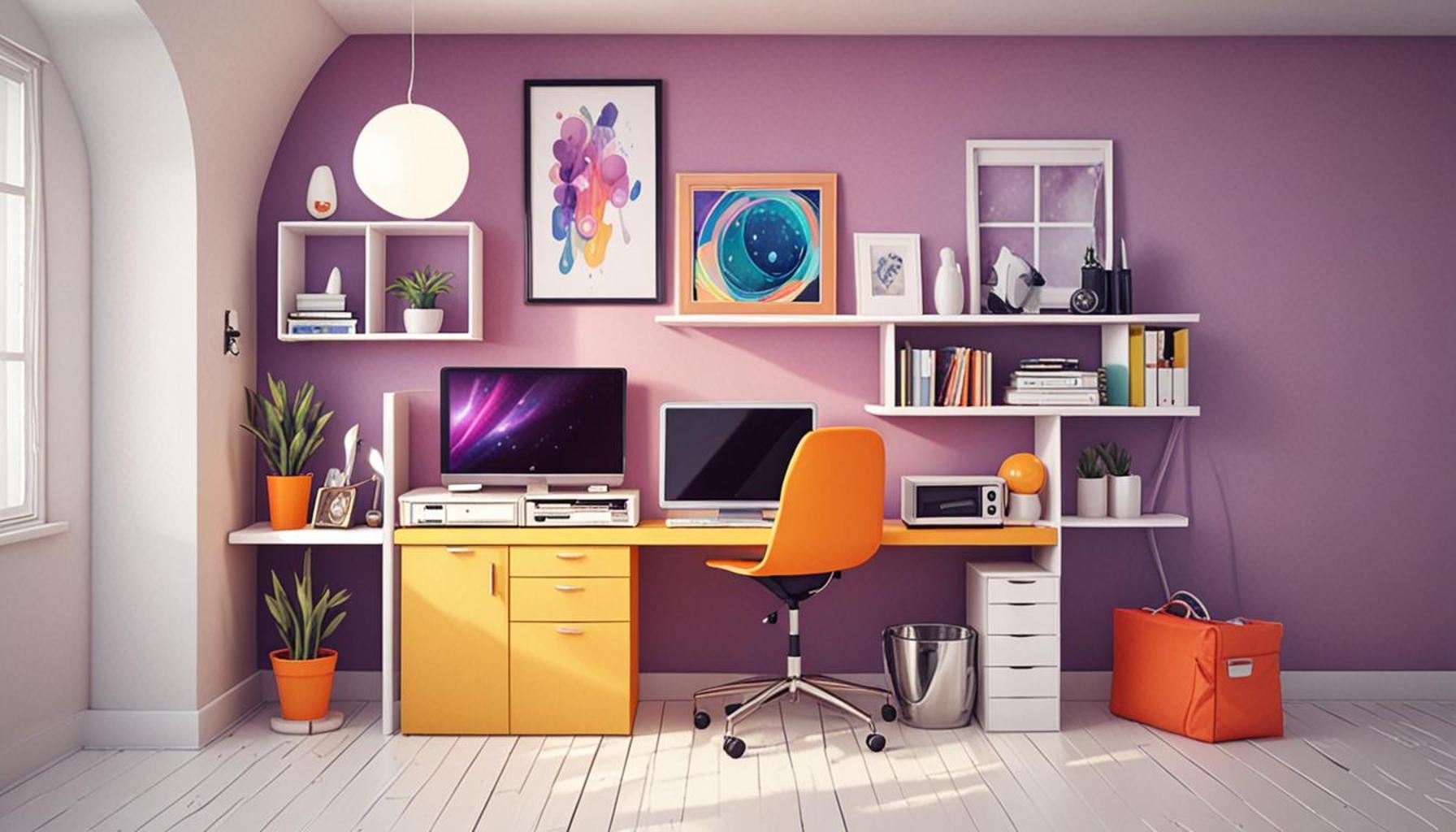
Master Minimalism Optimize Space for a Simpler Lifestyle

Finding Freedom in Less
In an increasingly cluttered world, the quest for simplicity has captivated many. Embracing minimalism moves beyond aesthetics; it is a path toward a more intentional and fulfilling life. A critical component of this journey is space management, which impacts everything from our physical surroundings to our mental clarity.
Understanding how to manage space effectively can lead to significant benefits, such as:
- Enhanced Focus: A tidy environment fosters better concentration.
- Reduced Stress: Less clutter translates to a calmer mind.
- Improved Organization: Efficient space usage promotes a more structured life.
This article will explore the importance of space management within the framework of minimalism. Get ready to discover our ranked Top 5 strategies to optimize your space and, in turn, elevate your lifestyle. Seize this opportunity to redefine not just your surroundings, but also your way of living.
Top 5 Reasons Why Space Management is Crucial for a Minimalist Lifestyle
In today’s fast-paced world, where cluttered environments can lead to chaotic lives, embracing minimalism is a growing trend. The philosophy of minimalism centers around living a life with intention, clarity, and focus, rather than being bogged down by material possessions. In this context, effective space management is not merely about arranging your living space; it is about creating an environment that supports a life of simplicity and purpose. Below, we delve deeply into the top five reasons why managing space is vital for cultivating a minimalist lifestyle, enabling you to live with intention and clarity.
5. Increased Productivity
In a culture that constantly demands more from us—whether at work or in our personal lives—productivity is a cherished goal. However, one often overlooked factor that significantly impacts productivity is our physical environment. Research in environmental psychology suggests that a cluttered environment can negatively affect our ability to concentrate. The brain tends to struggle with processing tasks when our surroundings are disorganized, leading to an overwhelmed state of mind.
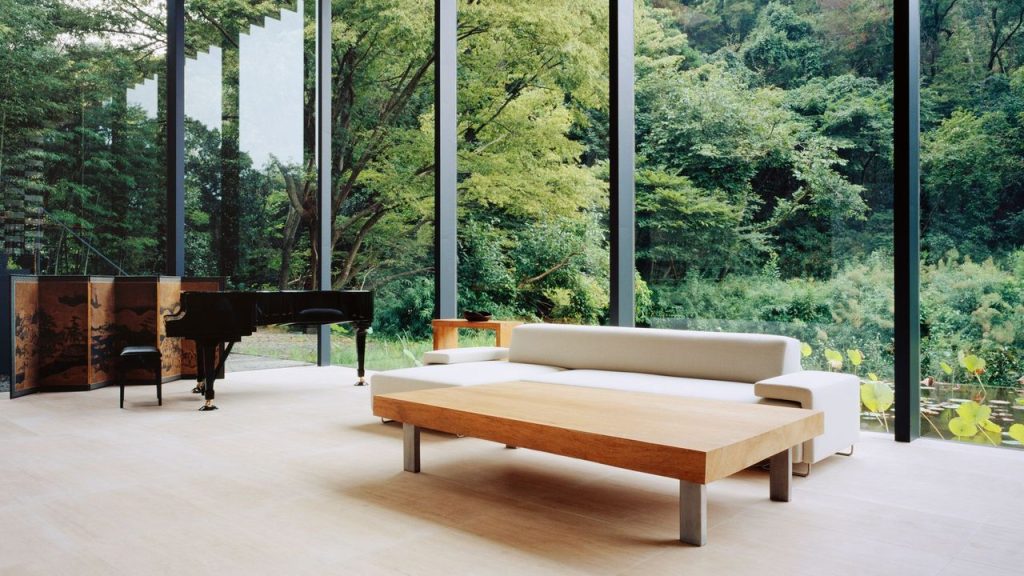
Consider the following aspects of space management:
- Clear Workspace: Having a tidy desk or workspace eliminates distractions and facilitates a flow state where you can work efficiently and with enhanced concentration.
- Avoiding Distractions: When your environment is streamlined, it is far easier to maintain focus on your work tasks, thereby fostering creativity and innovation.
- Time Savings: A well-organized area reduces the time spent searching for misplaced items, allowing you to redirect that time towards activities that matter most.
Prioritizing space management can transform your mental clarity and significantly improve your overall productivity, leading to more meaningful achievements.
4. Enhanced Mental Well-Being
Physical clutter can be a direct cause of mental chaos. The sight of a disorganized room or office often translates into a mental burden that can induce stress and anxiety. Studies have consistently shown that a clutter-free space contributes to a more serene and emotionally balanced mind.
Research indicates that maintaining an orderly environment leads to:
- Reduced Anxiety: A clean and organized space reduces stressors, decreasing anxiety levels effectively.
- Improved Mood: An aesthetically pleasing environment provides sensory relief, positively impacting mood and enhancing emotional well-being.
- Mindfulness: An organized space encourages the practice of mindfulness, allowing individuals to be present and engaged in the moment rather than lost in chaos.
Therefore, managing your space is not just about physical organization but also about nurturing your mental health, leading to a more peaceful and happier life.
3. Simplified Decision-Making
Making decisions can be exhausting, especially when we are inundated with too many choices. In a minimalist lifestyle, simplifying decisions is key, and this starts with the spaces we inhabit. When our environments are free from excess, the decisions we need to make become clearer and simpler.
Benefits of simplification include:
- Focusing on Essentials: Decluttering your space leads to having fewer but more meaningful possessions, prompting you to focus your energy on what truly matters.
- Less Regret: With fewer options to choose from, decision fatigue is reduced, lowering the chance of making regrettable decisions.
- Time for Reflection: A streamlined environment provides the mental space necessary for reflection, aiding in better self-awareness and understanding of your values.
Ultimately, effective space management sharpens your decision-making skills, helping you to live a more intentional and purposeful life.
2. Financial Benefits
The minimalist philosophy promotes conscious spending and intentional ownership. By effectively managing your space, you begin to view your possessions and potential purchases through a more critical lens, yielding numerous financial benefits. In fact, studies have shown a correlation between minimalism and improved financial health.
To achieve financial harmony through space management, consider the following:
- Reduced Spending: As you get accustomed to living with less, your impulse to buy unnecessary items diminishes, allowing you to save money.
- Cost Savings: A clear view of what you already own prevents duplicate purchases, thus lowering your overall expenses.
- Planning: An organized space makes it easier to plan and make informed purchasing decisions that align with your overall financial goals.
Effectively managing your space does not only cultivate a minimalist lifestyle but also encourages economic prudence, adding an invaluable layer of fiscal responsibility.
1. Clarity of Purpose
The cornerstone of minimalism is living with intention, and managing your space effectively empowers you to align your surroundings with your objectives and values. When your environment reflects your purpose, you are more likely to live a life that is aligned with your long-term goals and aspirations.
Consider how effective space management leads to:
- Improved Focus: By eliminating unnecessary distractions, you can concentrate better on your goals and what truly brings you joy.
- Aligned Choices: Your possessions should reflect your values, making it easier for you to make choices that uphold those values.
- Life Satisfaction: A harmonious space fosters a sense of accomplishment and fulfillment, strengthening your connection to your life goals.
Ultimately, managing your space is intricately linked to living with purpose. It’s not just about maintaining an organized home; it’s about shaping an environment that reflects who you are and who you aspire to become, enhancing your overall life satisfaction.
| Category | Description |
|---|---|
| Clarity and Focus | A well-managed space enhances mental clarity and improves focus, allowing individuals to concentrate on their priorities without distractions from clutter. |
| Emotional Well-being | Creating a minimalistic environment can reduce anxiety and foster emotional balance, leading to a more harmonious living situation that bolsters contentment. |
| Sustainability | Minimalism advocates for an eco-friendly lifestyle, encouraging more sustainable living choices by reducing waste and consumption of resources. |
| Time Management | A decluttered space allows for better time management, as less time is spent searching for items among disorganized belongings, thereby increasing productivity. |
In a minimalistic approach, managing space effectively yields several substantial benefits, reflected in various aspects of daily life. Spaces that favor clarity and focus play a significant role in maintaining a productive environment. When clutter is minimized, individuals can think more clearly, which directly impacts their efficiency and ability to achieve goals.Furthermore, the link between emotional well-being and space organization cannot be overlooked. An orderly environment significantly reduces anxiety levels and creates a sense of peace, which is vital in today’s fast-paced world. Each item we own should serve a purpose, whether functional or sentimental, contributing positively to our lives and alleviating stressors instead of adding to them.Minimalism also aligns closely with sustainable living practices. By promoting the idea of consuming less and cherishing what we have, individuals not only foster a healthier environment for themselves but also make strides toward preserving the planet. This shift towards sustainability encourages making intentional purchases, thereby minimizing waste and maximizing the value of resources.Lastly, the importance of effective time management becomes evident when one embraces minimalism. A tidy, organized space leads to more effective planning and execution of daily tasks. The reduction of time spent searching for misplaced items fosters a more productive lifestyle, allowing for greater focus on priorities and desirable pursuits.These various aspects intertwine to form a holistic approach to living a simpler yet more fulfilling life. Each benefit reaffirms the significance of managing space effectively, thereby advocating a minimalist lifestyle that prioritizes quality over quantity.
Frequently Asked Questions about Space Management in Minimalist Living
What is space management in the context of minimalist living?
Space management in minimalist living refers to the strategic use and organization of physical space to promote simplicity and efficiency. This involves decluttering, which is the removal of unnecessary items, and the thoughtful arrangement of remaining belongings. The goal is to create a living environment that mirrors a minimalist philosophy: less is more. This approach not only enhances the aesthetics of a living space but also contributes to mental clarity and overall well-being. By focusing on essential items, individuals can prioritize what truly matters and thus, cultivate a more purposeful lifestyle.
How does space management influence mental health?
The influence of space management on mental health is significant. A well-organized space reduces stress, as you are less likely to spend time searching for misplaced items. Furthermore, minimalistic spaces are less visually overwhelming. This can lead to a reduction in anxiety and an improvement in focus. Research has shown that individuals in tidy environments may experience an elevated sense of relaxation and clarity, enhancing their capacity for decision-making and creativity. By decluttering one’s environment, you can also declutter the mind, fostering a more peaceful state of being.
Can space management lead to financial benefits?
Yes, effective space management can result in financial benefits. By adopting a minimalist lifestyle, you may find yourself making more conscious purchasing decisions, ultimately leading to reduced spending. The principle of buying quality over quantity means investing in durable items that last longer, thus reducing the frequency and need for replacements. In addition, a well-organized space can increase the perceived value of a home, which is an advantage if you ever decide to sell. Overall, a minimalistic approach not only saves money but also helps to maximize the value and utility of what you already own.
What challenges might one face when managing space for minimalism?
While the benefits are numerous, transitioning to a minimalist lifestyle through space management can be challenging. Emotional attachment to belongings is a common hurdle. Many people struggle with letting go of items due to sentimental value or perceived future utility. Another challenge is the initial time investment required to declutter and reorganize a space. It requires patience and dedication to make thoughtful decisions about what to keep and what to discard. However, overcoming these challenges can lead to a rewarding outcome, paving the way for a simpler and more intentional way of living.
Conclusion
In an era of consumerism and clutter, the art of space management stands as a beacon for individuals embracing a minimalist lifestyle. This article shed light on the importance of managing space effectively to foster a minimalist approach, underscoring how such strategies can lead to both physical and mental clarity. The top five takeaways from our discussion reveal the transformative potential of minimalism.
Firstly, recognizing the immediate impact of clutter on mental well-being highlights the need for conscious space management. Clean and organized environments can substantially improve focus and reduce stress. Secondly, the act of decluttering is not merely about discarding items but understanding and prioritizing what truly adds value to one’s life.
The article also emphasized redefining spatial perception, suggesting a minimalist approach to furniture and decor as a way to enhance room functionality and aesthetic appeal. Additionally, the integration of multipurpose items underscores the practicality inherent in minimalism, proving that less can indeed be more.
Moreover, we explored the concept of sustainable living through minimalism, advocating for responsible consumption that benefits both the individual and the environment. This holistic view supports a lifestyle that is not only organized but also environmentally conscious.
Ultimately, the commitment to a minimalist lifestyle supported by thoughtful space management offers a path to greater personal freedom and satisfaction. Embracing minimalism can empower individuals to regain control of their environment, focusing on what is truly important. As more people are drawn to the minimalistic way of life, the continued exploration and understanding of space management will undoubtedly evolve, offering fresh perspectives and challenges along the way.