
The Impact of Simple Living on Sustainability: Living with Less to Protect the Planet
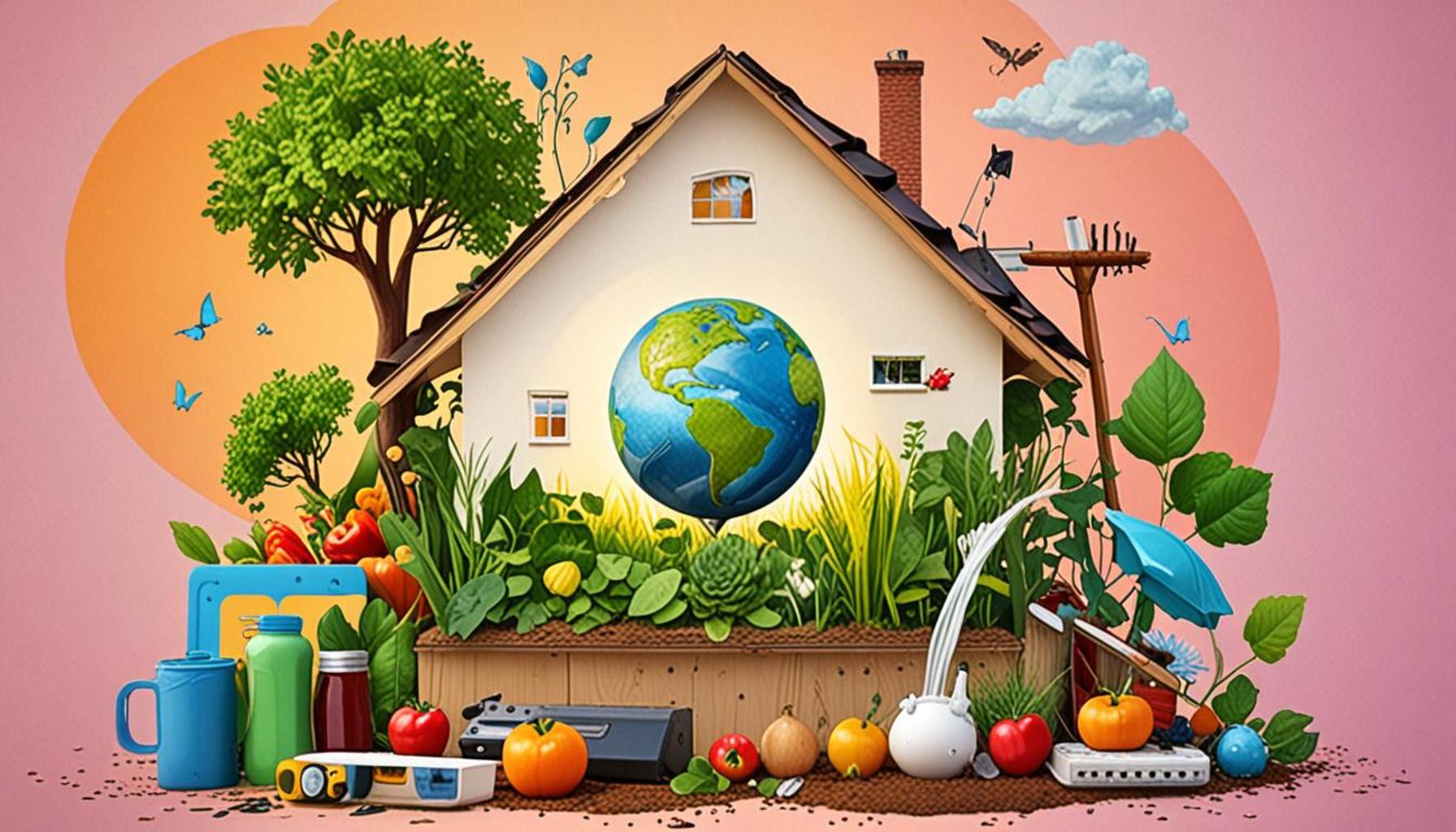
The Growing Appeal of Simple Living
In a society increasingly defined by consumerism, the concept of simple living poses a refreshing alternative. As we face a multitude of environmental issues—from climate change to pollution—embracing a lifestyle that emphasizes living with less has never been more vital. Not only does this approach help the planet, but it also offers tangible benefits to individuals, allowing them to lead more fulfilling lives.
Benefits of Adopting a Simpler Lifestyle
The idea of reducing consumption may initially sound daunting, but the advantages are profound. By choosing to limit material goods, individuals effectively decrease demand for resources. For instance, purchasing fewer clothes not only conserves water and energy used in manufacturing but also minimizes the carbon emissions associated with transporting these products.
Furthermore, minimizing waste plays a significant role in protecting our environment. With fewer possessions, there are fewer items to dispose of, consequently leading to less waste sent to landfills. According to the Environmental Protection Agency (EPA), the average American generates nearly 4.9 pounds of waste per day. Implementing a more mindful approach to consumption can drastically reduce this figure.
Increased mindfulness is another remarkable benefit of simple living. When individuals prioritize experiences over possessions, they often find deeper connections not only with nature but also with the community around them. This shift can manifest in lifestyle choices such as participating in community-supported agriculture (CSA) programs, where consumers purchase seasonal produce directly from farmers, fostering a sense of connection to the land and its stewards.
Leading Examples in the U.S.
American cities like Portland, Oregon, and San Francisco, California, exemplify how community-wide initiatives can promote sustainable practices. Both cities have made significant strides toward zero-waste initiatives, encouraging residents to recycle and compost extensively. For example, San Francisco mandates composting and recycling in all public spaces, effectively diverting over 80% of the city’s waste from landfills.

Moreover, studies reveal that minimalism positively impacts mental well-being. Research shows that individuals adopting simpler lifestyles experience reduced stress levels and higher satisfaction. A 2018 study published in the Journal of Environmental Psychology concluded that people who consume less tend to prioritize their mental and emotional health, further enhancing their quality of life.
Embracing Simple Living for a Brighter Future
As more individuals embrace simple living, they contribute not only to their personal wellness but also to broader environmental goals. It is a collective journey toward sustainability, beginning with the conscious choices we make every day. By choosing simplicity, we can ignite a ripple effect, inspiring others to join in the effort to protect the planet. Small steps, such as decluttering one’s belongings or supporting local businesses, can lead to significant changes over time.
Join us on this exploration of how adopting a simpler lifestyle can pave the way for both personal enrichment and a healthier planet. The journey towards sustainability is not merely a trend; it represents a profound shift in awareness and a commitment to responsibility—one choice at a time.
DISCOVER MORE: Click here to enhance your productivity
Understanding the Relationship Between Simple Living and Sustainability
The intersection of simple living and sustainability is a fertile ground for exploration. By consciously opting for a lifestyle that focuses on reducing excess consumption, individuals engage in practices that not only promote personal well-being but also contribute positively to the environmental landscape. The movement is gaining traction, particularly as awareness around ecological issues rises, leading many to question the implications of their lifestyle choices.
At the core of simple living lies the principle of conscious consumption. This means making deliberate choices about what we buy, how we use resources, and the overall impact of our lifestyles on the planet. This practice can be broken down into several key areas:
- Mindful Purchasing: Before making a purchase, individuals are encouraged to consider whether they truly need the item or if it will merely add to clutter.
- Quality over Quantity: Investing in high-quality, durable products reduces the frequency of replacements, thereby lowering overall waste.
- Localism: Supporting local businesses and farmers reduces carbon footprints associated with long-distance shipping while promoting community resilience.
- Minimalism: Embracing a minimalist approach encourages the reduction of personal belongings, leading to a less complex life and less environmental strain.
This intentional approach to consumption not only conserves resources but also nurtures a deeper sense of connection to the world around us. By prioritizing experiences over material goods, individuals often find solace in the simplicity of life, which can lead to a more sustainable existence. Research indicates that people who adopt simple living practices frequently report greater life satisfaction as they focus on relationships and community engagement rather than material wealth.
Moreover, adopting a simpler lifestyle aligns with various environmental goals, including the widespread call to reduce carbon footprints. A study by the Global Footprint Network revealed that the average American has an ecological footprint that is approximately four times greater than the planet can sustainably support. By lessening demand for unnecessary goods, individuals can play a pivotal role in mitigating these alarming statistics.
Furthermore, the ripple effect of adopting simple living can extend beyond individual households, influencing larger systems and industries. Each choice made at the consumer level can lead to significant shifts in production and marketing strategies. The growing demand for sustainable products compels companies to adapt their practices—hence promoting eco-friendly innovations and practices.
In conclusion, embracing simple living is not merely a personal choice but a collective move towards a more sustainable future. By consciously choosing to live with less, individuals significantly contribute to environmental sustainability, foster community connections, and ultimately enrich their lives. As the movement gains momentum, a new narrative is emerging—one where sustainability and intentional living become integral to the culture of consumption, promising a healthier planet for future generations.
| Advantages | Impact on Sustainability |
|---|---|
| Reduction of Waste | Emphasizing minimalism leads to fewer items being purchased and ultimately discarded, significantly lowering landfill contributions. |
| Conservation of Resources | A lifestyle focused on simplicity promotes the use of sustainable resources, thereby conserving energy and reducing carbon footprints. |
Simple living is not merely about decluttering; it’s a profound choice that resonates with our growing need to safeguard the environment. For instance, by reducing waste, individuals can play a pivotal role in curtailing the excessive consumption that marks modern society. Each item bought, often accompanied by excessive packaging, has a ripple effect on our planet’s health. Similarly, through the conservation of resources, adherents of simple living encourage efficiency and sustainability in daily practices. This, in turn, fosters a culture of responsibility where the impact of our choices is acknowledged and less harmful alternatives are sought. Exploring further, the connection between simple living and sustainability illuminates how lifestyle changes can lead to substantial global benefits. As more individuals adopt practices rooted in simplicity, we witness a collective movement that holds the potential to reshape societal norms regarding consumption and waste.
DIVE DEEPER: Click here to learn why efficient systems matter
The Social and Economic Dimensions of Simple Living
While the environmental benefits of simple living are well-documented, the social and economic impacts are equally pivotal. Embracing a lifestyle that values simplicity can stimulate local economies, bolster social ties, and ultimately forge a path toward a more resilient community structure. The shift towards simple living encourages individuals to engage more deeply with their surroundings, cultivating a sense of community that translates into tangible support for local ventures.
One compelling example of this is the rise of community-supported agriculture (CSA). Through CSAs, local farmers offer shares of their harvest to community members, effectively shortening the supply chain and minimizing transportation emissions. This not only supports sustainable farming practices but also fosters a direct relationship between consumers and producers, reinforcing local food systems. In fact, according to the USDA, local food sales reached over $11.7 billion in 2017, showcasing a growing trend where communities choose to invest in their immediate environments.
Moreover, the simple living movement promotes social equity by challenging the consumerist notions that often perpetuate economic disparity. By prioritizing affordability and resourcefulness over brand names and excess, individuals can find satisfaction in frugality. Initiatives like swap meets and local repair workshops empower people to share resources and skills, reducing reliance on mass-produced goods and enhancing social connections. Individuals report greater fulfillment from sharing and interacting with their community rather than purchasing expensive items, thereby transforming the narrative around what it means to have wealth.
Furthermore, the repercussions of simple living extend into the realm of mental health and community well-being. Research published in the journal Environmental Psychology indicates that individuals who engage in sustainable living practices report lower stress levels and higher overall life satisfaction. The act of decluttering one’s life contributes to decreased anxiety, creating a virtuous cycle where a simpler existence contributes to improved mental health, which in turn encourages deeper environmental engagement and care.
On a larger economic scale, corporations are increasingly recognizing the implications of consumer preferences shifting towards simplicity. Firms that prioritize sustainability and engage in corporate social responsibility are showing a marked resilience in an unpredictable economic climate. This has led to the rise of the circular economy, where companies design products with the intent of minimizing waste and maximizing resource efficiency. In 2021, the circular economy was projected to generate profits exceeding $4.5 trillion globally by 2030, underscoring the financial potential inherent in sustainable practices.
Additionally, policy-driven initiatives in the United States are beginning to align with the values of simple living and sustainability. Government-sponsored programs that incentivize local businesses, sustainable housing, and share economy models, are paving the way for a more sustainable future. These policies not only encourage consumers to make choices that are beneficial for the environment but also create systemic changes that support simpler living practices on a nationwide scale.
In collaboration with these emerging policies, the role of education becomes crucial. Teaching sustainability in schools fosters a new generation that understands and values the significance of living simply and sustainably. With programs that focus on ecological literacy, young minds can be shaped to prioritize environmental stewardship and responsible consumption habits, ensuring that the ethos of simple living persists into future generations.
DIVE DEEPER: Click here to discover more
Conclusion: Embracing Simplicity for a Sustainable Future
As we navigate the complexities of modern life, the embrace of simple living emerges as a transformative approach that holds significant promise for achieving sustainable development. By prioritizing a lifestyle centered around minimalism and mindful consumption, individuals not only lighten their ecological footprint but also foster deeper social connections and greater community resilience. The shift towards sustainability is not solely about reducing waste; it encompasses a broader reassessment of our values, encouraging us to derive satisfaction from experiences rather than possessions.
The data is compelling. With trends such as community-supported agriculture flourishing and local economies gaining traction, simple living not only benefits the planet, but also revives our social fabric, emphasizing collaboration over competition. Moreover, as mental health benefits from simplified living become increasingly recognized, it is evident that this approach encourages a holistic view of well-being—one that connects emotional health with environmental stewardship.
Corporate responsiveness to these values further amplifies the impact of simple living. As companies adopt sustainable practices and contribute to the circular economy, their commitment to minimizing waste creates a ripple effect that can help reshape market behaviors and consumer expectations. Alongside government initiatives promoting sustainability, we are witnessing a converging moment where the potential for systemic change is within our reach.
Ultimately, fostering educational programs focused on sustainability prepares future generations to embrace the principles of simple living, ensuring that this paradigm shift is not merely a trend but a foundational change in how we interact with the world. As we chart a path forward, let us consider that living with less does indeed have the power to lead to a healthier planet, enriched communities, and ultimately, a more fulfilling life for all.