
The Simplicity in Education: Methods to Teach Children to Value the Essential

Understanding the Importance of Valuing the Essential
In our rapidly evolving society, where technology and information bombard us from all angles, it is vital for children to learn the importance of valuing what is truly essential. The modern classroom can often feel chaotic, filled with distractions such as smartphones, social media, and a plethora of educational resources that can overwhelm rather than aid the learning process. In this context, embracing simplicity in education allows children to hone in on fundamental concepts that promote academic success and personal development.
This approach encourages students to shift their focus away from superficial learning to a deeper understanding of life skills. For instance, hands-on learning plays a crucial role in this transformation. By engaging students through real-world experiences—such as science experiments, community service projects, or outdoor educational activities—they acquire practical skills that resonate beyond textbook knowledge. This experiential learning can culminate in outcomes such as improved retention of information and increased confidence in applying their skills in real-life situations.
Nature-Based Education
Similarly, nature-based education fosters a profound connection to the environment. Programs that incorporate outdoor classrooms or field trips to national parks challenge children to observe, question, and interact with nature. Such experiences cultivate curiosity and respect for the natural world, which is essential in a time of environmental challenges. Consider, for instance, schools that integrate sustainability into their curriculum, teaching students the importance of conservation and stewardship through hands-on gardening or ecological restoration projects.
Minimalistic Resources
Another key aspect of teaching children to value the essential is the use of minimalistic resources. In classrooms where fewer, multifunctional materials are utilized, students can concentrate on quality over quantity. For example, instead of a plethora of textbooks, educators might encourage reliance on digital resources that can be accessed on various devices, thus reducing clutter while providing a wealth of information. This approach not only simplifies the learning process but also teaches students to be resourceful and adaptable, qualities that are indispensable in today’s world.
As the emphasis on fundamental skills such as critical thinking, problem-solving, and effective communication takes center stage in education, children are better equipped to navigate the complexities of contemporary life. Empowering students to prioritize essential values such as kindness, empathy, and responsibility significantly contributes to their emotional well-being and social development. Teaching these values encourages children to be active, compassionate participants in their communities.
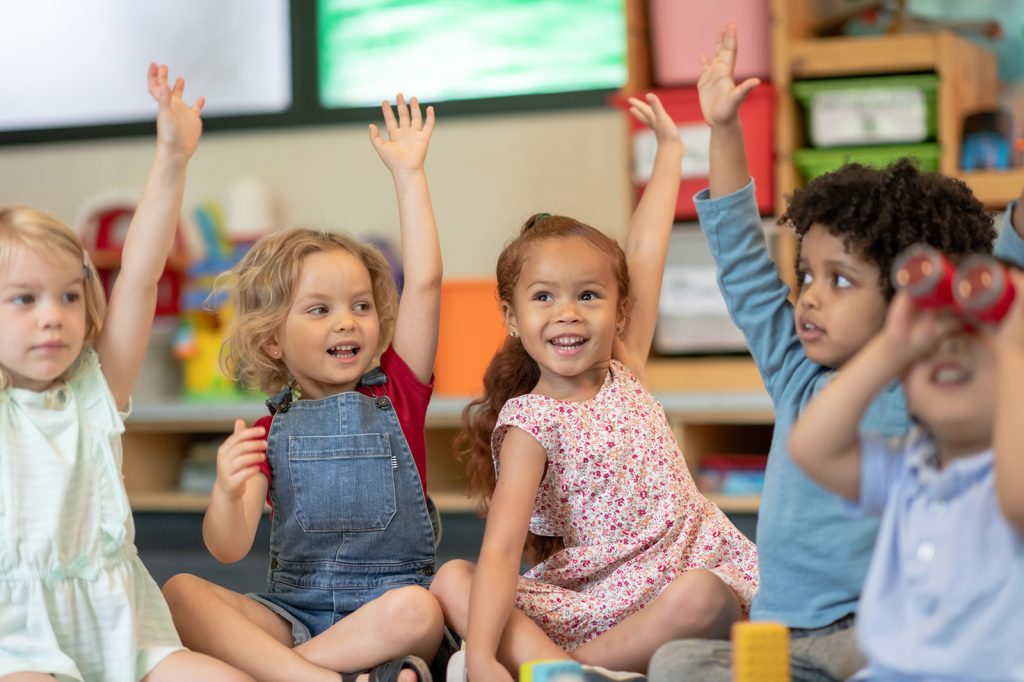
Ultimately, exploring simplicity in education leads to innovative teaching methods that enrich students’ academic journeys. As this trend grows, it inspires educators and parents alike to engage in meaningful conversations about how children can thrive by focusing on what is truly essential, rediscovering the profound impact of simplicity amidst the distractions of modern life.
DISCOVER MORE: Click here for tips on maximizing airspace
Embracing Hands-On Learning and Engagement
To effectively instill the value of simplicity in education, it is crucial to recognize the transformative power of hands-on learning. This method integrates active, experiential learning with curriculum objectives, allowing children to engage with the material more meaningfully. For instance, rather than merely reading about scientific concepts, students can conduct experiments that illustrate these theories in real time. Research indicates that experiential learning can enhance retention rates by over 75%, fostering a deeper connection to the subject matter and encouraging independent thought.
Moreover, engaging children in project-based learning offers a practical approach to education. By focusing on specific real-world problems or projects, students work collaboratively to find solutions, thereby gaining valuable life and social skills. This method nurtures essential skills such as teamwork, critical thinking, and resilience. Activities may include:
- Building a community garden: Students learn about sustainability, biology, and nutrition.
- Organizing a charity event: Participants improve their organizational and marketing skills while giving back.
- Participating in a science fair: Students have the opportunity to explore scientific inquiries and present their findings, boosting public speaking abilities.
The integration of these types of activities not only makes learning enjoyable but also empowers children to see the relevance of their education in the broader context of community and environment. As they contribute actively to their projects, children develop a sense of ownership over their learning journey and discover the importance of working towards a common goal.
Fostering Focus Through Minimalistic Classroom Environments
Another significant strategy in simplifying education is creating a minimalistic classroom environment. Research shows that clutter can overwhelm students, making it difficult for them to focus. By reducing the number of objects in the classroom and prioritizing multifunctional tools, teachers can create a more conducive learning environment. For example, replacing multiple textbooks with a tablet loaded with digital resources can streamline the learning process. This not only cuts down on physical materials but also teaches students to utilize technology responsibly.
In addition to decluttering, the practice of mindfulness in the classroom can enhance students’ ability to concentrate. Introducing brief periods of meditation or mindful breathing exercises can significantly reduce stress and improve focus. Educators who incorporate these practices report increased student engagement, making lessons more impactful.
Encouraging students to reflect on their learning experiences further emphasizes the importance of valuing the essential. Regular discussions about the relevance of what they are studying can help children connect their academic work with their personal lives and future aspirations. By nurturing this reflexive mindset, educators cultivate a generation that prioritizes sustainable, essential values over fleeting trends.
In summary, embracing hands-on learning, fostering minimalistic environments, and encouraging reflection are vital methods in teaching children to appreciate the essentials in education. As these strategies take root in classrooms across the United States, they promise not only to enhance academic outcomes but also to shape well-rounded, responsible individuals equipped to tackle the challenges of an increasingly complex world.
The Simplicity in Education: Methods to Teach Children to Value the Essential
Teaching children to appreciate what is truly essential in life is a critical aspect of education that garners significant attention. Simplicity is at the heart of this educational philosophy, which advocates for stripping away unnecessary complexities and distractions in learning environments. By fostering a culture of simplicity, educators can create an atmosphere that encourages children to focus on fundamental values, promoting both personal and academic growth.
One effective method to impart these values is through experiential learning. Engaging children in hands-on activities allows them to explore concepts in a practical context, reinforcing the significance of core principles. For instance, rather than merely explaining the importance of teamwork, teachers can organize team-building exercises that highlight collective efforts and their outcomes. This approach not only cultivates essential life skills but also embeds these values more deeply in young minds.
Another pivotal method is incorporating storytelling into the curriculum. Stories have a unique way of highlighting important life lessons while captivating children’s imaginations. By selecting age-appropriate narratives that emphasize themes such as empathy, responsibility, and gratitude, educators can facilitate deeper discussions around these essential values, prompting children to reflect on them in their daily lives.
Moreover, encouraging children to engage in community service is a strong strategy. Through volunteering, kids learn to value the impact of their actions on others, fostering a sense of responsibility and connection to their community. This practice teaches not only the importance of giving back but also instills a profound gratitude for the resources they often take for granted.
Finally, integrating mindfulness practices into the classroom can be a transformative method. Mindfulness teaches children to be present and to appreciate the here and now. Techniques such as breathing exercises, meditation, or even simple reflection time can help students develop a mindset focused on simplicity and presence, enabling them to identify what is truly important.
| Category | Advantages |
|---|---|
| Experiential Learning | Engagement through practical activities enhances learning retention. |
| Storytelling | Inspires reflection on essential values while entertaining. |
| Community Service | Promotes empathy, gratitude, and a sense of responsibility. |
| Mindfulness | Helps children cultivate presence and appreciation for the essential. |
Through these methods, we can guide children to recognize and appreciate the essential elements in life, thereby shaping a generation that values simplicity over complexity. Adopting such educational practices not only enhances their learning experience but also prepares them to thrive as grounded and mindful individuals in an increasingly complicated world.
DISCOVER MORE: Click here for practical strategies to simplify your life
Incorporating Emotional Intelligence into the Curriculum
Another essential method to simplify education and teach children to value the fundamental elements of learning is by incorporating emotional intelligence (EI) into the curriculum. Research has shown that developing EI fosters healthy interpersonal relationships, enhances social skills, and prepares students for real-world challenges. As children learn to manage their emotions, recognize the feelings of others, and communicate effectively, they become better equipped to navigate both academic and personal relationships. Schools that implement programs focusing on emotional intelligence have reported a significant decrease in behavioral issues while promoting a positive classroom climate.
Activities that build emotional intelligence can be woven into daily lessons through storytelling and role-play. For example, teachers can utilize literature to spark conversations around characters’ emotions and decisions, guiding students to reflect on how they would respond in similar situations. Integrating this practice not only promotes empathy but also creates a space where students feel safe to express their thoughts and emotions. This approach prioritizes the development of the whole child, helping them to appreciate the emotional aspects of learning.
- Emotional check-ins: Allow students to express their feelings through simple surveys or discussions, promoting self-awareness.
- Group activities: Collaborative projects encourage team dynamics and teach conflict resolution skills.
- Mindfulness exercises: Simple practices such as yoga or meditation can help students center themselves and recognize their emotions.
Encouraging a Culture of Inquiry and Curiosity
Another vital aspect of simplifying education is fostering a culture of inquiry and curiosity among students. Rather than simply delivering information to be memorized, encouraging students to ask questions and explore topics that interest them can lead to a more engaged learning experience. For instance, implementing a Genius Hour—a designated time for students to pursue their passions—can spark creativity and encourage students to dive into subjects that matter to them personally.
Teachers can also model curiosity by sharing their own questions and interests, creating a classroom atmosphere where inquiry is valued. Integrating open-ended questions into discussions can push students beyond surface-level thinking. An investigation into a subject such as environmental science might start with a question like, “How does pollution affect our local wildlife?” This can lead to research projects, discussions, and initiatives that encourage actionable change, such as local clean-up days or partnerships with environmental organizations.
Additionally, utilizing technological resources can greatly enhance students’ ability to explore. Tools such as virtual field trips or educational podcasts allow children to experience new environments and learning experiences from their classrooms, broadening their understanding of the world around them. Digital literacy, combined with inquiry-based learning, lays a foundation for lifelong learners who appreciate the value of continuous exploration.
By embracing emotional intelligence and fostering a culture of inquiry, educators can enhance the simplicity in education. These strategies not only help students grasp essential skills but also nurture their innate curiosity and empathy. As classrooms evolve, it becomes increasingly important to strip away unnecessary complexities, guiding students to recognize and appreciate the core values that shape their educational journeys.
DIVE DEEPER: Click here to discover top strategies for minimalist efficiency
Conclusion
In a world brimming with distractions and overwhelming information, simplifying education has never been more critical. By focusing on emotional intelligence and nurturing a culture of inquiry, educators can prepare children to value the essential aspects of life and learning. These methods encourage students to build meaningful relationships, enhance their problem-solving abilities, and foster a genuine love for knowledge. The emotional skills they acquire will not only transform the way they interact with peers but also influence their professional and personal lives in significant ways.
Moreover, fostering curiosity allows students to become active participants in their education rather than passive recipients of information. With tools such as Genius Hour and technology-driven exploration, children can pursue their passions and deepen their understanding of the world around them. As they engage with subjects that genuinely interest them, the learning process becomes a transformative journey rather than just a curriculum to complete.
Ultimately, embracing simplicity in education empowers students to become empathetic, inquisitive, and confident individuals. By stripping away the complexities of traditional education and allowing space for emotional growth and authentic inquiry, we help future generations recognize the value of essential skills and connect with their true selves. It is within these foundational experiences that we can inspire a lifelong love of learning and equip students to navigate an ever-changing world.