
Minimalist Cooking: Recipes and Tips for Simple and Healthy Eating

A Simpler Approach to Cooking
The culinary landscape today is filled with intricate recipes that often require an extensive list of ingredients and hours of preparation. However, minimalist cooking offers a refreshing counterpoint by encouraging cooks to embrace simplicity and creativity. This style of cooking emphasizes the art of preparing delightful meals with fewer ingredients, which not only makes the process quicker but also allows the natural flavors of fresh, whole foods to shine. In a busy world where health and time often clash, minimalist cooking emerges as a practical solution for those looking to eat better without the fuss.
Why Choose Minimalist Cooking?
Adopting a minimalist approach in the kitchen can reshape your cooking experience in several meaningful ways:
- Saves time: Minimalist recipes are typically structured to require a fraction of the usual cooking time. Think of a delicious stir-fry with just four ingredients that can be ready in under 20 minutes—perfect for a busy weeknight.
- Reduces stress: With a streamlined grocery list, meal planning becomes a less daunting task. For instance, rather than contemplating recipes for a variety of meals, you can focus on two or three dishes that leverage the same core ingredients, minimizing decision fatigue.
- Promotes healthy habits: By concentrating on wholesome, unprocessed foods, minimalist cooking encourages you to prioritize nutrition. A simple salad with fresh greens, cherry tomatoes, and a homemade vinaigrette can provide immense health benefits without unnecessary additives.
Getting Started
Transitioning to a minimalist cooking style involves gradually incorporating small yet impactful changes into your cooking routine. Here are some foundational elements to launch your culinary journey:
- Choosing staple ingredients: Filling your pantry with versatile staples such as quinoa, lentils, canned tomatoes, and a selection of seasonal vegetables can serve as a strong base for countless simple meals.
- Embracing one-pot meals: These meals not only make cooking easy but also simplify the cleanup process. Dishes like vegetable risotto or a chicken stew can be prepared in a single pot, which means less time spent scrubbing pots and pans afterwards.
- Learning simple techniques: Mastering fundamental cooking techniques such as sautéing, steaming, and grilling can boost your confidence and expand your repertoire. For example, learning to perfectly sauté garlic can lead to endless meal possibilities.
As you begin this culinary adventure, we invite you to explore practical recipes and expert tips that further embody the essence of minimalist cooking. This approach isn’t merely a dietary trend; it’s a sustainable lifestyle choice that champions the enjoyment of food preparation in its most uncomplicated form. Whether you’re looking to streamline your kitchen routine or simply aiming for healthier eating habits, minimalism in cooking offers a rewarding path to explore.
DISCOVER MORE: Click here to learn how conscious choices can enhance your well-being
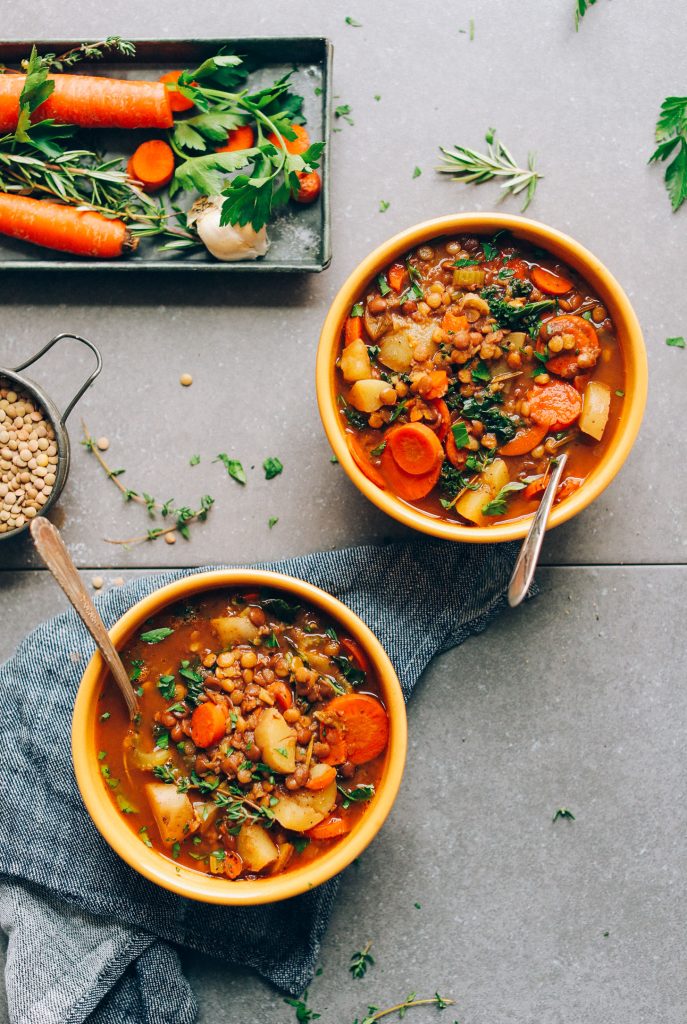
Essential Ingredients for a Minimalist Kitchen
One of the key tenets of minimalist cooking is the idea that less is more. This philosophy extends to the ingredients you use in your kitchen. By concentrating on a select few versatile components, you can create a wide array of meals while also ensuring that your grocery shopping is straightforward and efficient. Here are some essential ingredients every minimalist kitchen should stock:
- Whole grains: Grains such as brown rice, quinoa, and oats not only serve as filling bases for meals but also come packed with nutrients. They can be easily combined with vegetables, proteins, or simply dressed for a satisfying dish.
- Legumes: Beans, lentils, and chickpeas are incredibly resourceful. They are not only rich in protein and fiber, making them a fantastic substitute for meat, but they also add texture and bulk to meals.
- Fresh produce: Seasonal fruits and vegetables are crucial for bringing color and flavor to your plates. Items like spinach, bell peppers, zucchini, and apples can serve multiple purposes in various meals.
- Herbs and spices: A few well-selected herbs and spices can elevate the simplest of dishes. Basics such as garlic, basil, and cumin can add depth and personality to your cooking.
- Protein sources: Incorporating lean proteins like chicken, fish, or plant-based alternatives like tofu and tempeh can create wholesome meals. These options can be prepared in various ways and paired with different ingredients to keep your menu exciting.
By keeping your pantry stocked with these fundamental ingredients, you set the stage for a cooking experience that is both nutritious and efficient. Furthermore, it simplifies the decision-making process when planning your meals, allowing for spontaneity and creativity.
Streamlined Meal Planning
To truly embrace minimalist cooking, developing a streamlined meal planning strategy is essential. This helps you minimize food waste and always ensures you have what you need on hand for impromptu cooking sessions. Consider the following strategies to enhance your meal planning:
- Batch cooking: Preparing larger quantities of staple dishes such as soups, stews, or grain dishes at the beginning of the week can save considerable time. Simply portion them out for quick reheating on busy days.
- Mix and match: Plan meals that share similar components. For instance, grilled chicken can be paired with quinoa and steamed vegetables one day and included in a salad the next, ensuring variety without complexity.
- Focus on themes: Consider assigning themes to your week, like “Meatless Mondays” or “Taco Tuesdays.” This tactic narrows down your meal options while still providing room for creativity.
With these tips, you can begin to harness the power of a minimalist approach to your cooking routine. Not only does it encourage healthier eating, but it also nurtures a relationship with food that is both enjoyable and manageable. As you delve deeper into this culinary simplicity, remember that every meal is an opportunity to experiment with flavors, textures, and ideas, all while maintaining a focus on what truly matters in the kitchen.
| Advantage | Description |
|---|---|
| Simplicity | Emphasis on easy-to-follow recipes that utilize few ingredients, making cooking accessible. |
| Health Benefits | Focus on whole, natural foods that promote better nutrition and overall well-being. |
When exploring the concept of Minimalist Cooking, it becomes evident that its advantages extend far beyond mere convenience. The first advantage, Simplicity, serves as a core principle of this culinary approach. By emphasizing easy-to-follow recipes, you can reduce kitchen anxiety and foster creativity. A kitchen environment devoid of unnecessary clutter allows for a more enjoyable cooking experience.Additionally, the theme of Health Benefits is paramount in minimalist cooking. This method encourages the use of whole, natural ingredients free from harmful additives. Embracing a minimalist approach can also lead you to discover unique flavor combinations and make cooking feel less like a chore and more like a fulfilling activity. By prioritizing health and simplicity, this cooking technique not only nourishes the body but also feeds the soul. Dive deeper into the world of minimalist cooking and uncover a lifestyle that promises both simplicity and nourishment.
DISCOVER MORE: Click here to learn how to simplify your space
Simple Cooking Techniques for Minimalist Meals
As you dive deeper into minimalist cooking, mastering a few key cooking techniques can help streamline your meal preparation, enhance flavors, and elevate your dish presentations—all while keeping the process uncomplicated. Here are some techniques to consider integrating into your cooking repertoire:
- One-pot meals: The epitome of simplicity, one-pot meals condense the cooking process into a single vessel. Think stir-fries, casseroles, or sheet pan dinners where protein, grains, and vegetables coalesce in harmony. This not only reduces cleanup but also allows flavors to meld beautifully.
- Roasting: Roasting brings out the natural sweetness of vegetables and requires little more than oil, salt, and time. Toss seasonal produce such as carrots, Brussels sprouts, and sweet potatoes in olive oil and roast them in the oven for a delightful side or base for your main dish.
- Steaming: This technique retains nutrients while offering a clean and fresh taste to your ingredients. Steaming vegetables like broccoli and asparagus can create colorful and crunchy additions to any meal. Additionally, it’s a versatile way to cook grains like quinoa, retaining their texture and health benefits.
- Grilling: Whether indoors with a grill pan or outdoors on a barbecue, grilling can add unbeatable flavor with minimal effort. Lean meats, seafood, and even vegetables can achieve charred perfection, making for satisfying meals packed with taste.
By honing these straightforward techniques, you’ll not only save time but also create delicious meals that boast vibrant flavors and textures, rekindling the joy of cooking.
Building a Minimalist Recipe Collection
To complement your minimalistic approach, consider creating a curated recipe collection that reflects versatility and simplicity. A focused database allows you to experiment without feeling overwhelmed with choice. Here’s how to build your own:
- Focus on versatility: Choose recipes that can be easily adjusted based on seasonal produce or what you have on hand. For example, a basic vegetable stir-fry can incorporate whatever greens or proteins you find in your fridge, reducing food waste and encouraging creativity.
- Embrace simplicity: Look for recipes with fewer ingredients that still come together to create satisfying meals. A classic example is a three-ingredient pasta dish where olive oil, garlic, and fresh herbs can turn any type of pasta into a gourmet experience.
- Incorporate whole foods: Select recipes that emphasize whole foods like vegetables, grains, and legumes. These recipes not only align with healthy eating principles but are also often simpler as they require minimal processing.
A recipe collection centered on minimalist cooking enables ease of meal prep, minimizes grocery lists, and simplifies grocery shopping, all while ensuring that nutrition is at the forefront of every meal.
Mindful Eating Practices
Minimalist cooking isn’t just about what you cook; it’s also about how you engage with your food. Mindful eating practices can transform mealtime into an enriching experience. Here are some strategies to consider:
- Disconnect during meals: Put away distractions like phones and televisions when eating. This encourages you to focus on the flavors, textures, and aromas of your meal, making the experience more fulfilling.
- Portion control: By serving smaller portions initially, you can help prevent overeating and truly savor what is on your plate. You can always go back for seconds if you’re still hungry, allowing you to tune into your body’s needs.
- Appreciate the process: Treat cooking and eating as a center of joy rather than a chore. Enjoy the act of chopping fresh herbs or savor the aroma of spices filling your kitchen. This heightened appreciation can foster a deeper connection to the food you prepare and consume.
Approaching cooking and eating mindfully encourages a relationship with food that is supportive of your health and well-being.
DISCOVER MORE: Click here to learn how to declutter your life
Conclusion
In a world that often glorifies culinary complexity, minimalist cooking emerges as a refreshing approach that celebrates simplicity and health. By focusing on a select number of quality ingredients, straightforward techniques, and mindful eating practices, you can transform your cooking experience into an enjoyable and stress-free ritual. The significance of one-pot meals and roasting techniques cannot be overstated; they not only foster rich flavors but also minimize the chaos associated with meal preparation.
Moreover, building a personalized collection of versatile and simple recipes serves as a gateway to creativity while promoting a sustainable lifestyle. As you become more attuned to standout flavors found in whole foods, you will discover the beauty and satisfaction that lie within a few well-chosen ingredients. The transition to minimalist cooking encourages not only nourishment of the body but also nourishment of the mind—inviting you to relish in each bite and appreciate the labor of love behind every meal.
Take time to explore the myriad flavors that can be drawn from nature’s bounty, and don’t hesitate to experiment with what you have on hand. As you embrace these principles, consider how mindfulness at the dinner table allows you to connect with your food on a deeper level. Ultimately, the journey into minimalist cooking offers a path toward healthier eating, greater fulfillment, and a newfound joy in the act of cooking itself. Dive into the world of simple, intentional meals and let your kitchen become a space for creativity, nourishment, and connection.