
Simple Gardens: How to Cultivate a Green Space that Promotes Tranquility
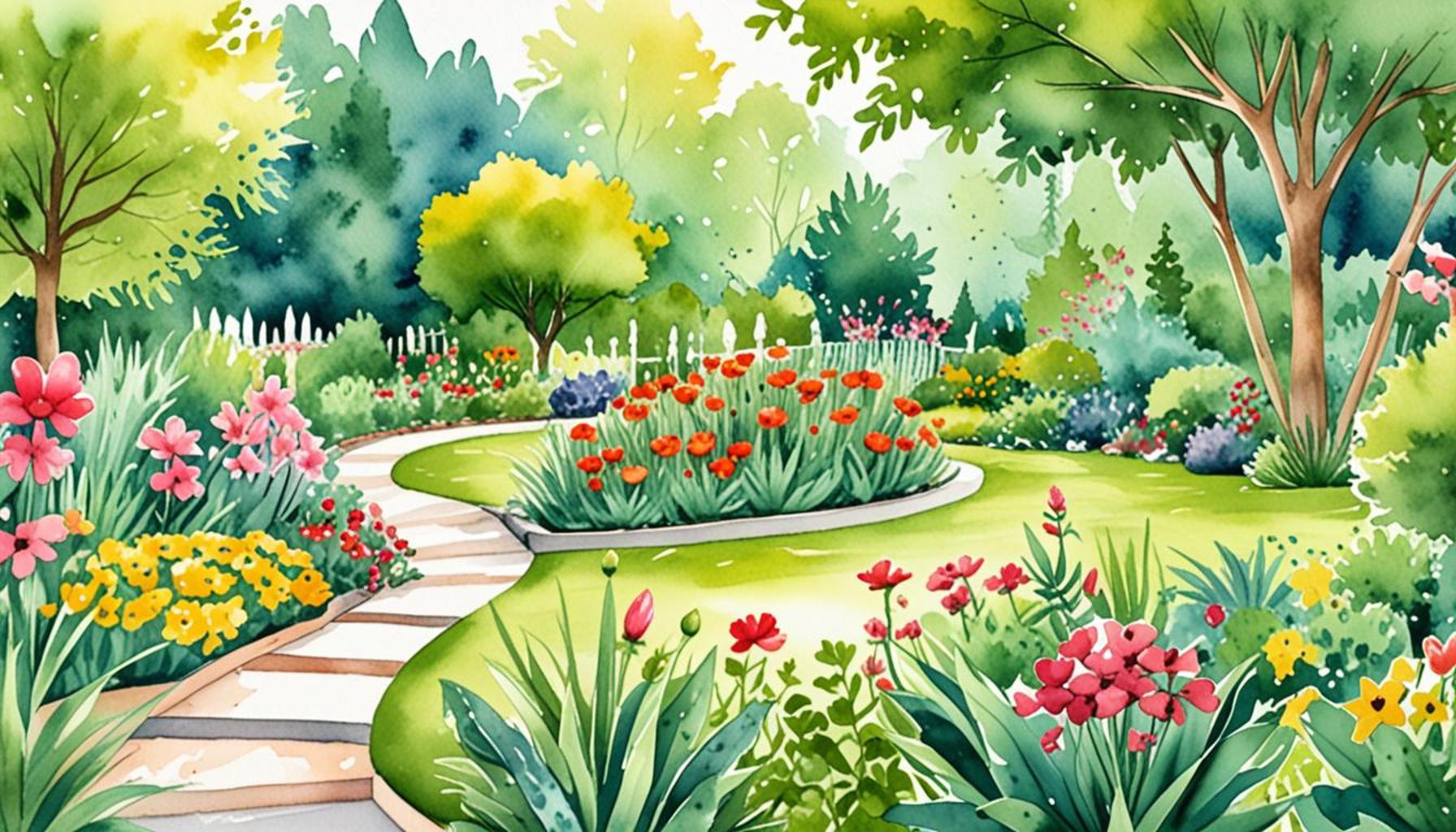
Crafting Your Tranquil Retreat
In today’s frenetic society, the urgency to find a peaceful escape becomes crucial for mental well-being. A simple garden can serve as your own sanctuary, offering a refreshing environment that allows you to rejuvenate both your mind and spirit. Engaging in gardening not only beautifies your surroundings but can also significantly enhance your quality of life, paving the way for improved emotional and psychological health.
Picture a serene retreat where vibrant colors mingle with soft fragrances of blooming flowers. Your tranquil garden can take form through various elements that promote relaxation, such as:
- Low-maintenance plants – Choose hardy succulents, which require little water and care, along with native flowering plants like coneflowers or black-eyed Susans, which thrive effortlessly in local conditions.
- Relaxing water features – Incorporate small fountains that create the soothing sound of flowing water, or a pond teeming with koi fish that add a touch of life and motion to your garden space.
- Comfortable seating areas – Design cozy nooks with outdoor furniture where you can unwind with a book or simply meditate while enjoying the natural beauty around you.
To create an inviting atmosphere conducive to tranquility, meticulous planning is essential. Pay attention to significant factors such as:
- Sunlight – Accurately assess your garden’s sunlight exposure throughout the day to ensure you select the right plants; some may thrive in full sun while others prefer partial shade.
- Soil quality – Conduct soil tests to determine its nutrient content and acidity levels, enabling you to amend it appropriately for healthy plant growth.
- Height and layout – Incorporate varying plant heights by layering taller plants at the back and shorter ones in front, giving your garden depth and visual interest.
As you take the first steps in creating your peaceful enclave, be mindful of how each component interacts harmoniously to evoke a sense of calm. Simple gardens possess the unique ability to restore equilibrium in our hectic lives, making them a worthwhile endeavor for anyone seeking solace amidst the chaos.
In the United States, where urbanization often strips away natural beauty, transforming even a small patch of land into a personal garden oasis can be immensely rewarding. With the right approach and commitment, you can establish an outdoor haven that serves not just as a leisure space but also as a reminder of the healing powers that nature holds.
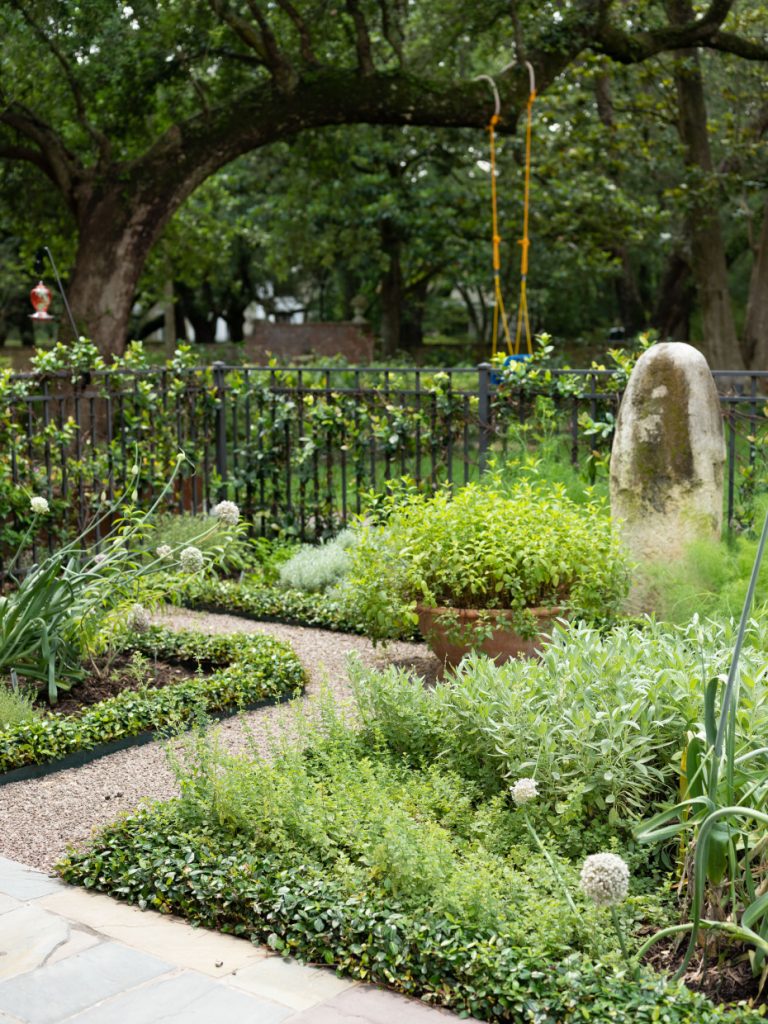
DISCOVER MORE: Click here to learn about the mental health benefits of decluttering
Key Elements for Your Tranquil Garden
When it comes to creating a simple garden that promotes tranquility, the key lies in carefully selecting elements that resonate with your personal sense of peace. Start by envisioning a space that calms the mind and invigorates the spirit through the harmonious interplay of nature. Here are some critical considerations to keep in mind:
- Plant Selection – The plants you choose form the backbone of your garden. Opt for a mix of perennials and annuals to provide continuous blooms throughout the seasons. Consider using aromatic herbs like lavender and rosemary, known not just for their beauty but also for their calming scents that can elevate the overall sensory experience.
- Color Palette – Colors can significantly influence mood. Incorporate soft pastels and warm earth tones to create a serene atmosphere. For instance, the cool blues of lobelia or the gentle whites of daisies can evoke tranquility, while vibrant yellows and reds can energize without overwhelming.
- Textures – Mixing different textures adds visual interest to your garden while promoting a soothing experience. Use varied leaf shapes and sizes, such as the smooth foliage of hostas or the feathery fronds of ferns, to create a tactile landscape that invites exploration.
- Natural Pathways – Establish winding paths using natural materials like mulch, gravel, or flagstones to encourage leisurely strolls through your garden. Paths can offer a chance to engage with the plant life up close, fostering a deeper connection with the space and providing an opportunity for quiet contemplation.
To ensure your simple garden becomes a true oasis of peace, consider integrating native plants that thrive in your local environment. Not only do these plants require less maintenance, but they also attract beneficial wildlife like butterflies and hummingbirds, enhancing the tranquility of your space. Furthermore, native flora promotes biodiversity, allowing your garden to flourish as a vibrant ecosystem.
Another essential element is the incorporation of a sense of sound. Consider implementing features like wind chimes or rustling grasses that dance in the breeze, creating an auditory backdrop that soothes the mind. The gentle trickle of water from a fountain can effectively drown out the noise of the outside world, further enveloping you in a peaceful atmosphere.
Moreover, the placement of your simple garden is crucial. Ideally, it should be positioned in a location that offers some degree of privacy, such as a corner of your yard shielded by trees or trellises. By doing this, you create a true retreat, away from the noise of neighbors and the hustle and bustle of daily life—an area where one can fully embrace the calming effect of nature.
Ultimately, a simple garden designed with these key elements can serve as a powerful antidote to stress, providing a space where one can retreat from the complexities of modern life. By thoughtfully crafting this green haven, you’re taking an active step toward not only improving your environment but also nurturing your mental health.
| Category | Key Features |
|---|---|
| Plant Selection | Native plants offer resilience and ease of maintenance, creating a tranquil atmosphere. |
| Water Features | Fountains and ponds introduce soothing sounds of water, enhancing relaxation and peace. |
| Layouts | Curved pathways encourage exploration while promoting a sense of serenity and calm. |
| Color Schemes | Soft, muted tones in flowerbeds create visual harmony, fostering relaxation in your green space. |
Creating a simple garden that promotes tranquility is an artful endeavor that requires careful consideration of various elements. The selection of native plant species not only fosters biodiversity but also ensures lower maintenance while providing habitats for local wildlife. Water features, such as small fountains or ponds, add a sensory layer to your garden. The gentle sound of flowing water can curb anxiety while drawing in birds and butterflies, which contribute to your peaceful environment.Furthermore, the layout of your garden can greatly impact its serenity. Curved pathways encourage exploration and connection with nature, leading you to corners that invite contemplation. Associating color schemes with emotions is where the magic unfolds. Soft tones can evoke feelings of calm while bright colors stimulate joy—finding the right balance helps to craft a retreat.By blending these elements, you’re not just cultivating a space—you’re nurturing a refuge that invites tranquility, encouraging visitors to linger a little longer and breathe a little deeper. The design choices you make today will resonate in the peaceful moments of reflection tomorrow.
DISCOVER MORE: Click here for insights on the mental health benefits of decluttering
Creating a Functional and Aesthetic Experience
To elevate your simple garden from merely tranquil to an experience that actively nurtures well-being, consider how functionality and aesthetics intertwine. A garden is not just a visual feast; it can engage all the senses and provide a space for reflection, meditation, and even light physical activity. Here are several strategies to deepen the connection with your tranquil garden:
- Seating Areas – Incorporate comfortable seating to encourage relaxation and mindfulness. Benches made of natural materials like wood or wicker can blend seamlessly into your garden’s design. Position seating areas strategically to ensure they face lush plant life or soothing water features, creating the perfect spot for enjoying nature’s spectacle. A simple outdoor yoga mat can also easily transform into a tranquil personal retreat for meditation or reading.
- Lighting – The right lighting can turn your simple garden into a magical landscape at dusk. Opt for soft, ambient lighting—such as solar-powered fairy lights or strategically placed lanterns—to illuminate pathways and seating areas without being intrusive. Lighting can enhance evening walks, allowing you to experience the garden’s calming effect even after the sun sets.
- Wildlife Habitats – Encouraging local wildlife into your garden not only supports biodiversity but also enriches your experience. Consider constructing birdhouses, bee hotels, or even a small pond to attract a range of creatures. The presence of birds chirping or butterflies fluttering adds to the serenity and natural beauty of your garden, allowing you to enjoy the subtle symphony of life in your space.
- Personal Touches – Adding personal elements specific to your preferences can imbue your garden with a sense of belonging. Create zones featuring your favorite plants or incorporate meaningful art pieces, like sculptures or stones with inspirational quotes. Personalizing the space deepens your connection to it, allowing the garden to reflect your personality while serving as a sanctuary for peace.
Your choice of plants can further enhance the multi-sensory experience in your garden by fostering a well-balanced habitat. For instance, consider the use of sensory plants, such as lemon balm or chamomile, which not only offer a pleasant aroma but also contain natural calming properties. Research shows that these herbs can help alleviate anxiety, making their presence a beneficial addition to your tranquil garden.
In addition to sensory plants, don’t forget the importance of seasonal visual interest. Alternate the blooms of your garden by layering plants that thrive in different seasons, including early spring bulbs like tulips and fall perennials such as asters. This way, your green space remains engaging and vibrant year-round, continually reminding you of the beauty of nature’s cycles.
Furthermore, a well-designed simple garden serves not only those who inhabit it but also the wider community. A garden filled with flowers can invite neighbors and friends to enjoy a slice of tranquility while fostering community connection. Consider implementing a small section designated for sharing, where visitors can cut flowers or herbs, enriching both their lives and the shared space. Such gestures promote a sense of collective peace and can create lasting relationships built around the love of gardening.
Ultimately, your simple garden is a canvas—one where every plant, path, and feature can work synergistically to create a sanctuary that truly resonates with you. The destination is not just a patch of greenery; it is an opportunity to cultivate a multifaceted experience that promotes tranquility amid the demands of daily life.
DIVE DEEPER: Click here to find out how to optimize your space
Final Thoughts on Cultivating Tranquil Green Spaces
In our fast-paced world, the importance of cultivating a simple garden cannot be overstated. A well-thought-out green space offers not only a retreat from daily stresses but also an opportunity to connect with nature and oneself. By incorporating elements such as comfortable seating areas, soothing lighting, and inviting wildlife habitats, you can create a peaceful sanctuary that engages the senses and encourages relaxation.
Moreover, personalizing your garden with meaningful touches allows it to reflect your unique identity, transforming it into a space that truly resonates with you. Engaging with the calming properties of sensory plants like lemon balm or chamomile, and ensuring seasonal variety keeps your green space alive with color and beauty throughout the year. Remember, the goal is to foster an environment that not only nurtures your well-being but also promotes community connections through shared gardening experiences.
As you embark on this gardening journey, keep in mind that simplicity often breeds the greatest tranquility. Whether you have a sprawling backyard or a small balcony, any effort to cultivate a little green can lead to a profound impact on your mental and emotional well-being. Take the time to design a garden that speaks to your heart, and you will not only enjoy the fruits of your labor but also reap the countless benefits of peace and reflection it brings.