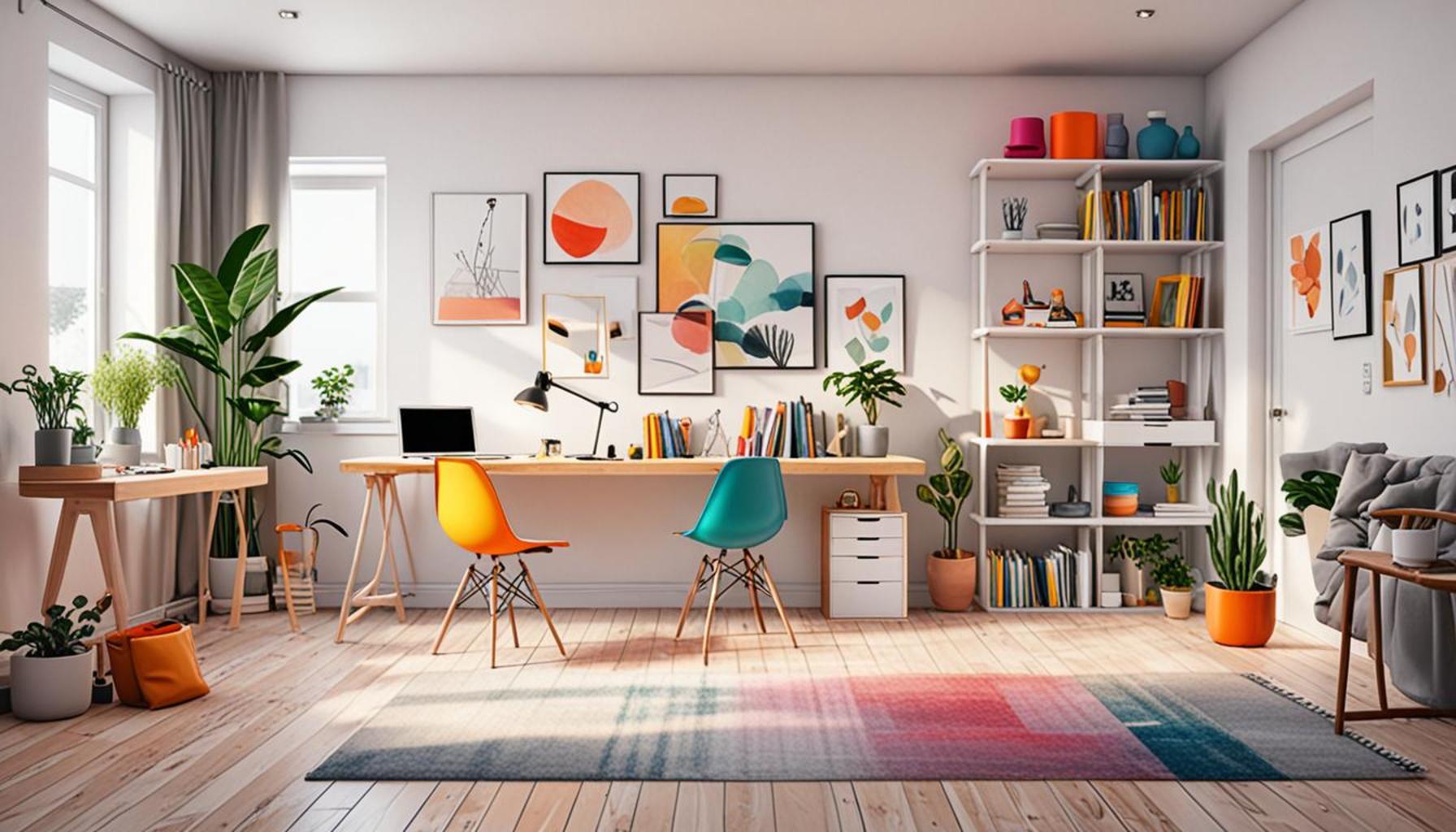
Minimalist Interior Design: Creating Functional and Cozy Environments
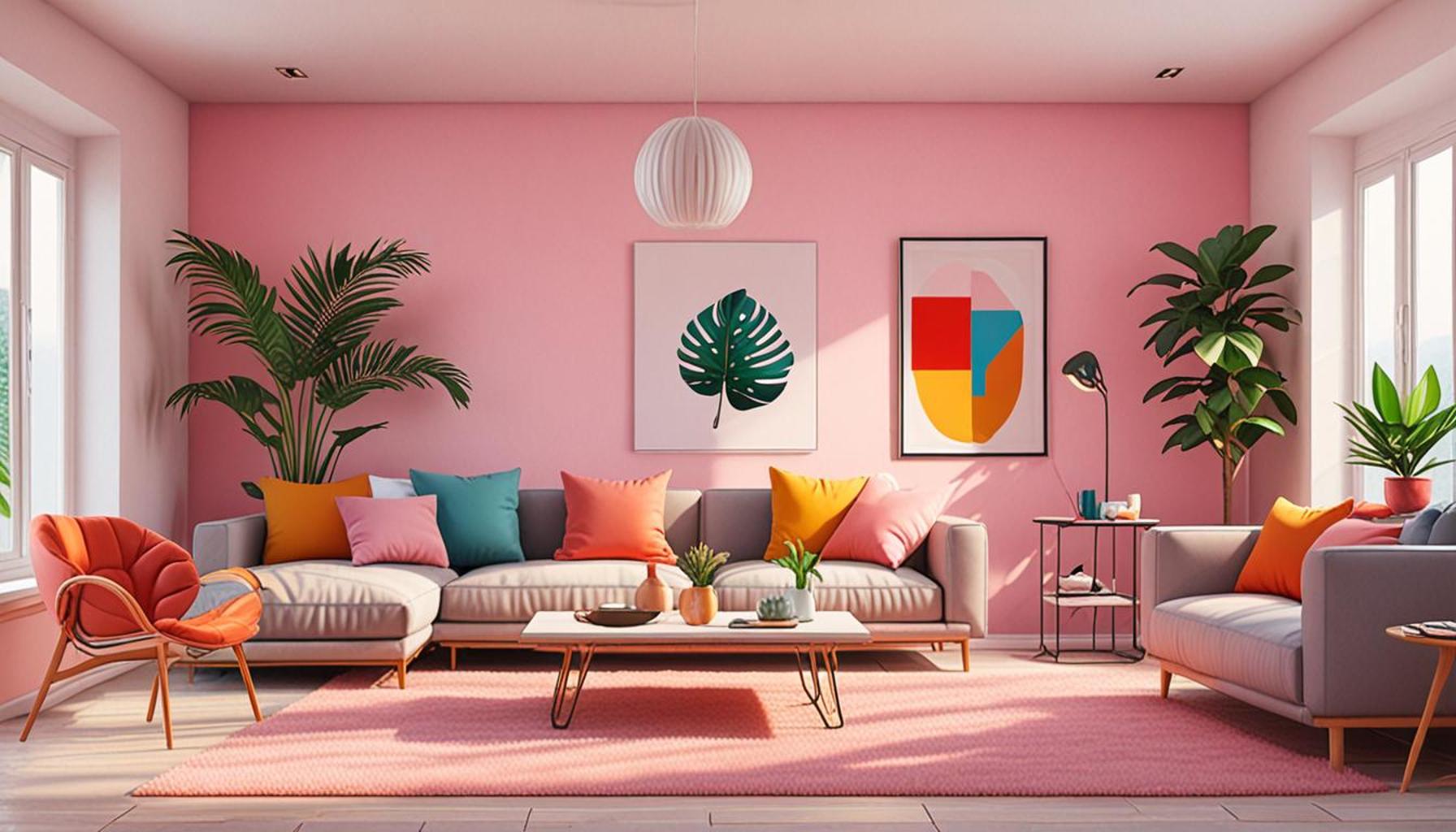
Understanding Minimalist Interior Design
In today’s fast-paced world, the allure of minimalist interior design resonates deeply with many individuals seeking refuge from chaos. This design philosophy highlights the beauty of simplicity by creating spaces that are uncluttered, functional, and aesthetically pleasing. By focusing on essential elements and removing extraneous details, minimalist design encourages a more mindful and intentional approach to living.
Key Characteristics of Minimalist Design
At the core of this design approach are several critical features that define the minimalist aesthetic:
- Clean lines: These are prevalent in minimalist spaces, where straight edges and geometric shapes foster a sense of order. For instance, a sleek dining table with no ornate carvings can create a striking focal point in a modern dining area, promoting harmony rather than distraction.
- Neutral color palettes: Minimalist designs often utilize shades of white, gray, beige, and soft pastels. These hues contribute to an atmosphere of serenity, making it easier to relax and concentrate. A living room decorated in various tones of gray and white, accented with a single piece of colorful artwork, exemplifies how neutrality can enhance visual interest.
- Thoughtful furniture selection: In a minimalist interior, every piece of furniture is carefully considered. Items that offer multiple functionalities, such as a sofa bed or an ottoman that doubles as storage, maximize practicality without overwhelming the space. This clever use of furniture is particularly beneficial in urban apartments where space is at a premium.
The Psychological Benefits
Adopting a minimalist approach extends beyond aesthetics; it also promotes psychological well-being. By minimizing distractions and focusing on functionality, individuals can create a more peaceful environment conducive to relaxation and concentration. Research indicates that clutter can lead to stress, while organized, minimalist spaces can enhance one’s mood and productivity.
Minimalism in Contemporary Homes
As learned individuals in the United States increasingly prioritize simplicity, the principles of minimalism provide the framework for designing homes that function as urban sanctuaries. From small apartments in New York City to family homes in suburban America, the adoption of minimalist design principles helps people cultivate lifestyles aligned with their values, emphasizing quality over quantity.
By exploring the nuances of minimalist design, you can discover innovative solutions tailored to modern living. Whether you opt for a completely bare aesthetic or choose to incorporate carefully selected elements that bring joy, embracing minimalism facilitates the creation of an environment that feels personal, peaceful, and purposeful. As this trend continues to gain momentum, the call to declutter our lives resonates, inviting more people to experience the transformative power of less.
DISCOVER MORE: Click here for smart space management tips
The Essence of Functional Spaces
In the realm of minimalist interior design, functionality reigns supreme. The core philosophy revolves around creating spaces that serve their purpose efficiently without overwhelming the inhabitants. This minimalist approach to design not only emphasizes aesthetics but also underlines the importance of practical living.
Designing for Purpose
To achieve a functional and cozy environment, one needs to carefully consider how each element contributes to daily living. This involves an introspective analysis of personal needs and lifestyle habits. A well-designed minimalist space transcends mere decoration; it effectively aligns living areas with the unique rhythms of daily life. Here are some pivotal aspects to keep in mind when designing:
- Multi-functional living areas: Open floor plans are a staple in minimalist design, allowing for seamless transitions between different activities. For instance, a combined kitchen and dining area can foster family connections while facilitating meal preparation, promoting a communal atmosphere.
- Flexible furniture choices: Opting for adaptable furniture such as foldout tables, modular seating, and stackable chairs creates versatility within a space. This adaptability is especially advantageous in smaller homes, where maximizing square footage is crucial. When hosting guests, a small seating arrangement can easily convert into a larger social space.
- Incorporating storage solutions: Decluttering is at the heart of minimalism. Built-in shelves, hidden cabinets, and under-bed storage solutions help maintain an organized and visually appealing environment. This intentional storage reduces visual noise, allowing residents to navigate their space with ease and enjoyment.
Cultivating Comfort Through Minimalism
While minimalist design champions simplicity, it does not sacrifice warmth or comfort. In fact, well-executed minimalist spaces radiate a sense of tranquility that can be deeply inviting. One effective method of fostering this cozy ambiance is through the use of textures. Layering different materials—such as a soft wool throw over a sleek leather sofa or combining matte and glossy finishes—adds depth and tactile interest. This interplay of materials can counterbalance the simplicity of a space, encouraging comfort without cluttering it.
Additionally, the integration of natural elements plays a vital role in enhancing a minimalist interior. Incorporating plants or natural wood accents can breathe life into a room, creating a harmonious balance between indoor and outdoor environments. As studies suggest, natural elements can instill a sense of calm and promote overall well-being.
By embracing these principles, homeowners can transform their living spaces into functional and inviting havens. In a society that often prioritizes accumulation, the minimalist mindset encourages a return to essentials, allowing individuals to curate their environments with intention and care. This thoughtful approach fosters well-being, making minimalist interior design an appealing choice for those seeking to create meaningful and purposeful spaces.
| Category | Benefits |
|---|---|
| Space Optimization | Maximizes utility while minimizing clutter, creating a more open and inviting atmosphere. |
| Emotional Benefits | Provides a sense of calm and tranquility, making your living space feel more like a retreat. |
Minimalist interior design is much more than just stripping away excess; it encapsulates a philosophy that transforms spaces into functional and cozy environments. The focus on space optimization not only allows individuals to declutter their living areas but also embraces the beauty of simplicity. By employing multi-functional furniture and strategic layouts, homeowners can effectively utilize spaces that might otherwise feel cramped. Furthermore, the emotional benefits derived from a minimalist approach are profound. As environments become less cluttered, they foster a greater sense of calm and serenity, turning homes into sanctuaries from the hectic pace of modern life. This creates spaces where families can gather, relax, and rejuvenate. Many who adopt this style report feeling more fulfilled in their living spaces, emphasizing how the right design enhances not only the aesthetic but also the overall quality of life. The integration of natural light and earthy tones can further elevate this ambiance, offering a cozy yet sophisticated environment that encourages comfort and relaxation. Exploring these principles of minimalist design can open up a pathway toward achieving a peaceful and functional home that resonates with personal values and lifestyle aspirations.
DIVE DEEPER: Click here to discover more
Striking the Balance Between Aesthetics and Utility
Achieving a successful minimalist interior design is not solely about excluding excess; it’s about maintaining a balanced blend of aesthetics and utility. An interior that screams minimalism by being stark and unwelcoming can often fall flat. Therefore, striking the right chord between simplicity and style is crucial to crafting cozy environments that feel lived-in and loved.
Color Palettes That Soften Lines
When embracing minimalist design, the choice of color plays a significant role. While the traditional minimalist palette often inclines towards whites, greys, and earth tones, using soft tones can introduce warmth into a space. Soft pastels and muted colors such as sage green or blush pink are rising in popularity. These shades can bring a sense of serenity while ensuring the space feels inviting rather than sterile.
Moreover, accent walls painted in bolder tones or textured finishes can create focal points without overwhelming the senses. The idea is to maintain a cohesive aesthetic that feels both open and structured—rich colors can provide a sense of comfort and coziness without veering towards visual clutter.
The Importance of Lighting
Lighting is another essential element to consider. A minimalist design thrives on natural light, so maximizing window spaces is vital. The incorporation of sheer curtains allows sunlight to flood in, creating a bright and airy atmosphere. Strategically placed mirrors can further amplify this effect, reflecting light and enhancing space perception.
Conversely, artificial lighting should not be disregarded in minimalist design. Adjustable lighting fixtures such as dimmable recessed lights or chic floor lamps can offer versatile options tailored for different moods and activities, whether it’s an intimate dinner or a lively gathering. The goal is to create an enveloping ambiance that emphasizes both form and function.
The Impact of Personal Touches
Minimalism often gets misconstrued as cold or impersonal, which couldn’t be further from the truth. Personal touches woven throughout a space can infuse it with character and warmth. Unique art pieces or well-curated collections can serve as conversation starters and express individuality amid the simplicity. The key lies in restraint; one or two carefully chosen decor items can make a statement without overwhelming the design.
- Gallery walls: Create a personal gallery that celebrates family memories or favorite travels with framed photographs, utilizing a consistent frame style for unity.
- Handcrafted items: Integrate handmade pottery or textiles that showcase craftsmanship, reinforcing the beauty of intentional choices.
- Cultural accents: If you wish to honor your heritage, integrating artifacts or decorations that represent your culture can create a narrative within your minimalist setting.
Incorporating personal touches encourages a connection to the space, promoting a warm and welcoming atmosphere that aligns with the minimalist philosophy of thoughtful design. Through these nuances, minimalist homes can evolve into a sanctuary of comfort while serving the practical demands of daily life.
DISCOVER MORE: Click here to learn how conscious choices can enhance your well-being
Conclusion
In summary, minimalist interior design is a thoughtful approach that transcends mere aesthetics, focusing instead on functionality, comfort, and a sense of serenity. By carefully curating spaces with a balanced blend of utility and style, one can create an environment that is not only visually appealing but also profoundly inviting. The choice of soft color palettes, clever lighting solutions, and the incorporation of personal touches are key elements that elevate minimalist design from stark to cozy.
As you explore this design ethos, remember that the goal is to foster a harmonious living space that reflects your personality while meeting daily needs. Embracing the principle of “less is more” allows for meaningful connections with your belongings, leading to a more mindful way of living. By implementing these strategies, your home can transform into a sanctuary that harmonizes simplicity with comfort, making it a genuine retreat from the chaos of everyday life.
Thus, consider minimalism as an evolving journey rather than a rigid framework. Engage with your space, embrace flexibility, and continuously reassess what elements contribute to both functionality and warmth in your home. As you embark on this journey, you will uncover a greater appreciation for the beauty of simplicity, ultimately leading to an enriched living experience.