Maximizing Small Spaces: Space Management Strategies for a Minimalist Lifestyle
Understanding the Minimalist Lifestyle
As urban populations swell and housing becomes increasingly unaffordable, many individuals find themselves living in smaller spaces than ever before. This shift is not merely a trend but a reflection of the evolving dynamics of modern life. Embracing a minimalist lifestyle can significantly impact how one experiences their living environment, promoting both mental clarity and physical efficiency.
Adopting a minimalist approach encourages inhabitants to focus on what truly matters. Instead of being bogged down by excess ownership, individuals start prioritizing functionality and simplicity. This shift often results in a serene living space that allows for greater focus on daily activities and personal interests. As a bonus, minimalism often translates into financial savings, enabling individuals to channel their resources toward experiences and long-term goals rather than material possessions.
Strategies for Small Space Management
Effectively managing small spaces necessitates the implementation of practical strategies that maximize every inch of available room. By applying the following techniques, you can transform tight quarters into inviting and efficient homes.
- Multi-Functional Furniture: Opt for versatile furniture pieces that serve multiple functions. For example, a well-designed sofa bed can provide seating during the day and transform into a bed at night, making it perfect for guests. Additionally, a coffee table with built-in storage can keep essential items neatly stored away yet easily accessible, eliminating clutter.
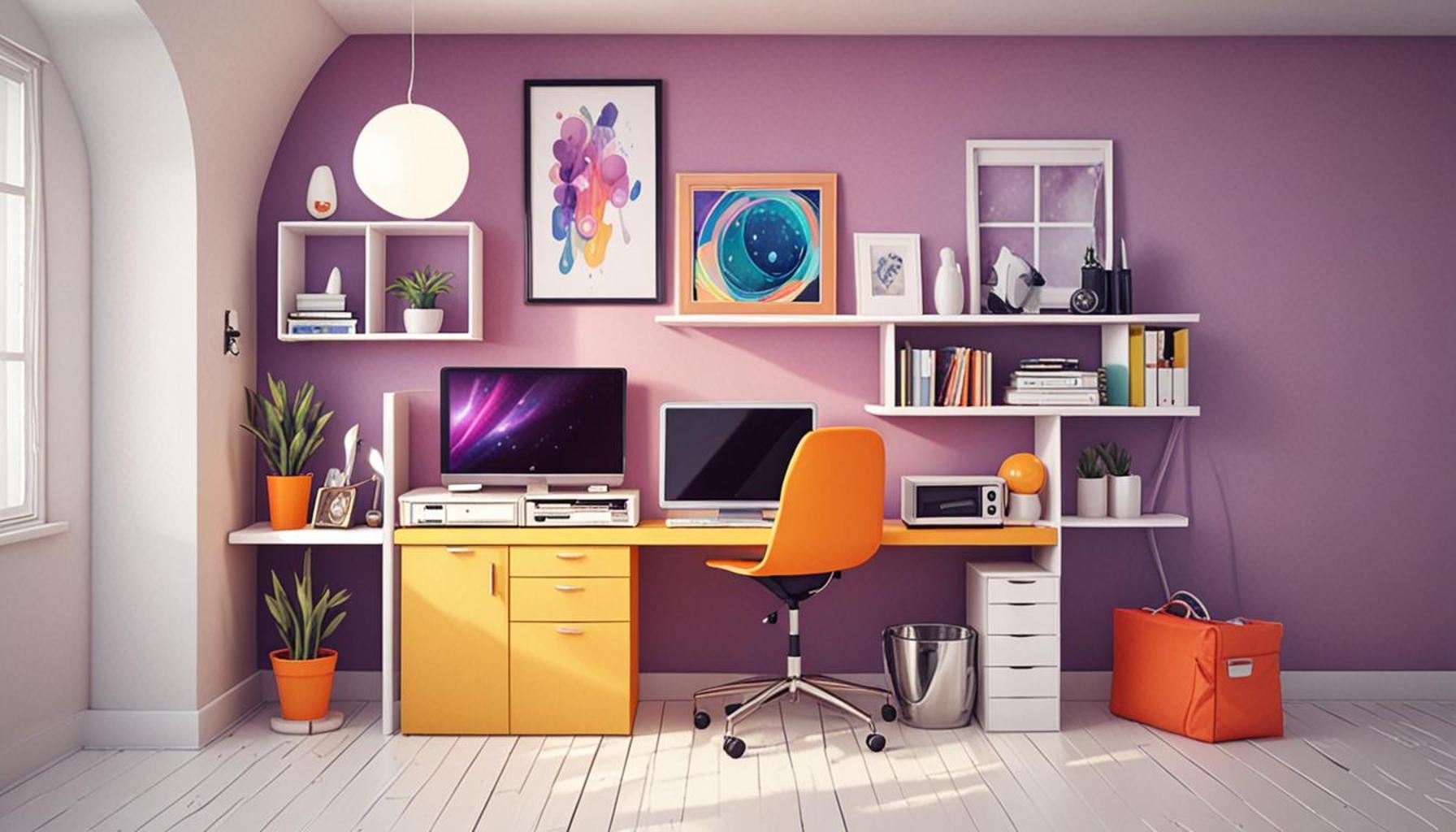
- Vertical Storage: Focus on the vertical dimensions of your space. Installing floating shelves, using tall bookcases, or adding hooks and wall-mounted cabinets can draw the eye upward, creating an illusion of spaciousness while providing valuable storage. In many urban apartments, utilizing wall space for plants, decor, or organizational tools can enhance both aesthetics and functionality.
- Decluttering: Regularly assess your belongings, keeping only those that serve a purpose or spark joy, in line with the principles popularized by Marie Kondo. Creating a habit of decluttering can lead to a more organized environment and a clearer mindset, ultimately promoting tranquility within your home.
Implementing these strategies not only enhances the functionality of your space but also encourages creativity in design. Consider exploring local stores or online marketplaces for inspiration; brands like IKEA and Target often feature innovative designs that cater to small living spaces, providing both style and utility.
Whether you reside in a cozy studio apartment in New York City or a compact house in Austin, knowing how to optimize your living environment can profoundly improve your quality of life. Embrace the possibilities that come with living minimally and consider how each change you make can create a harmonious atmosphere, allowing for both convenience and comfort in the spaces you call home. Stay tuned for more practical tips and innovative ideas that will help you make the most out of every square foot!
DISCOVER MORE: Click here to enhance your productivity
Embracing Minimalism in Small Spaces
Transitioning to a minimalist lifestyle can be a liberating experience, especially when it comes to maximizing small living areas. This journey goes beyond merely reducing clutter; it involves adopting effective organization techniques that help to enhance both functionality and aesthetic appeal within your home. By understanding how to use every square foot wisely, you can transform even the tiniest of spaces into a sanctuary of simplicity and purpose. Here are some essential strategies that can significantly improve how you manage your living environment.
- Embrace Openness: A key tenet of minimalist living is fostering an open environment that feels spacious. When choosing furniture, opt for pieces that are elevated on legs rather than heavy options that sit directly on the floor. For example, a couch with legs creates visual space and allows for easy cleaning underneath, contributing to an overall serene atmosphere. Color can also play an integral role in this regard—consider lighter shades for walls and furniture, as these can reflect light and create an illusion of openness. Soft pastels, whites, or light grays can make rooms appear larger and more inviting.
- Smart Use of Nooks and Crannies: In small spaces, every inch counts. Look for underutilized areas such as corners or the space beneath stairs for creative storage solutions. For instance, corner shelves can transform awkward spots into stylish storage, making them both functional and decorative. Similarly, under-stair drawers can serve as hidden compartments for shoes, supplies, or seasonal items. These often overlooked spaces can become pivotal in maintaining the organization of your home.
- Invest in Modular Solutions: Flexibility is essential in small homes, and modular furniture is designed precisely for this purpose. Imagine having stackable stools that can easily transition from additional seating during a gathering to a compact form when not in use. Collapsible tables can be tucked away when space is needed, while modular sofas can be reconfigured to suit various activities—be it a family movie night or a casual get-together. By investing in such versatile furniture, you can enjoy an ever-changing living environment without sacrificing comfort.
Applying these organization techniques can greatly enhance your everyday comfort and satisfaction in your living space. The principles of minimalism promote not just a cleaner environment but also a mindset that values simplicity and deliberate choices. To explore innovative organizational tools, check out both online platforms and local shops that specialize in space-saving products. Many companies in the U.S. offer unique solutions that align perfectly with the minimalist ethos, from multifunctional furniture to creative storage systems.
Remember, the path toward a minimalist lifestyle takes time and intentionality. It is a gradual shift towards valuing quality over quantity, urging you to let go of what no longer serves your needs. By implementing the strategies highlighted above, you will not only elevate the appearance of your home but also nurture a lifestyle centered around clarity, productivity, and peace. Stay engaged for more insights on creating a harmonious living space that resonates with your minimalist ideals and maximizes your overall quality of life.
Smart Storage Solutions
In the quest for a minimalist lifestyle, smart storage solutions are essential for managing space effectively. Utilizing every nook and cranny in your living area not only maximizes the available space but also keeps it organized. For instance, consider under-bed storage options like boxes or drawers that can be tucked away discreetly. They provide an excellent means of storing seasonal clothing or extra bedding, keeping them out of sight yet easily accessible when needed.
Additionally, vertical storage has become increasingly favored, especially in small apartments. Shelves that extend upwards along walls utilize otherwise wasted space and allow for the display of books, decor, and even plants, thereby adding a touch of personality to a room while creating more floor area for movement.
Multi-functional Furniture
Investing in multi-functional furniture is another brilliant strategy for anyone looking to maximize small spaces. Pieces like a sofa bed or an ottoman that doubles as a storage unit serve dual purposes and can significantly declutter your space. Not only do they enhance functionality, but they also promote a seamless, curated look throughout your living area.
When reshaping your environment, think about incorporating foldable tables and chairs that can be easily stored away when not in use. This flexibility can transform a room from a working area to a cozy dining space in a matter of moments, exemplifying the beauty and practicality of a minimalist lifestyle.
Decluttering Strategies
Having the right organizational system is crucial, but the first step to maximizing small spaces is to engage in decluttering. Begin by assessing each item and asking if it adds value to your life. If not, it may be time to part ways. Consider implementing the one-in-one-out rule, which encourages people to remove an item for every new one introduced into the home. This approach not only ensures that your space remains uncluttered but fosters a conscious consumption mindset crucial for minimalists.
Ultimately, leveraging space management strategies takes time and commitment but yields a rewarding lifestyle—one where clarity and functionality reign supreme.
| Category | Advantages |
|---|---|
| Smart Storage | Maximizes hidden spaces for organization. |
| Multi-functional Furniture | Enhances functionality while saving space. |
| Decluttering | Encourages conscious consumption and organization. |
DISCOVER MORE: Click here to enhance your well-being
Creating Functional Zones
In small spaces, the concept of functional zones is crucial for maintaining order and efficiency. By defining specific areas within your home for distinct activities, you can maximize usability while adhering to minimalist principles. This approach not only enhances organization but also promotes a sense of purpose and flow throughout your living space.
- Clearly Define Areas: Whether it’s a cozy reading nook, a dedicated home office, or a compact dining area, identifying and delineating different zones can transform your home into a multi-functional hub. Use furniture arrangement, area rugs, or even creative room dividers to signify separate spaces within an open plan. A modular bookshelf, for example, can act as both a storage solution and a boundary between the living room and workspace, minimizing visual clutter.
- Employ Multi-Functional Furniture: To further enhance the utility of each zone, choose furniture pieces that serve multiple purposes. A foldable dining table can double as a workspace when not in use, while an ottoman can provide both seating and hidden storage for blankets or magazines. The rise of smart furniture design in recent years means you can find innovative solutions suited to virtually any area in your home, promoting efficiency and reducing the need for excess items.
- Incorporate Vertical Storage: Vertical storage solutions are a game changer for small spaces. Wall-mounted shelves, pegboards, and hanging organizers allow you to utilize walls for storage and display. This strategy not only keeps belongings accessible but also draws the eye upward, creating a perception of height and spaciousness. Such installations can be particularly effective in tiny kitchens, where maximizing cabinet space is often a challenge. Hanging pots and pans from a designated rack keeps surfaces clear while adding a touch of style.
Implementing these zoning principles will help you create a harmonious environment that supports your minimalist lifestyle. Additionally, adopting lightweight and movable furniture can allow for swift reconfiguration of spaces, adapting to your changing needs over time. Keep an eye on emerging trends in furniture design, as more brands are increasingly focusing on flexible living solutions tailored for urban settings.
Organizing with Purpose
Adopting a minimalist lifestyle requires more than just strategic furniture placement—it necessitates a deeper understanding of organization and the psychology of belongings. To manage your space effectively, it’s essential to adopt a mindset of intentionality in how you display and store items. Ask yourself: Does this object enhance my life? If the answer is no, consider letting it go.
- Curate Your Collection: For those who love to collect or display, curating is key. Instead of showcasing everything you own, choose a few meaningful pieces that resonate with your values and aesthetics. This not only reduces clutter but highlights the items that hold sentimental value, creating a more personal and inviting atmosphere.
- Create a System: Implementing a clear organizational system tailored to your daily routines can further streamline operations in your home. Utilize bins, baskets, and drawer dividers to keep items grouped logically. For instance, a basket for mail and documents can keep paperwork contained, while labeled containers in closets can ensure that everything has its place. This level of organization fosters a sense of ease, enabling you to focus on what truly matters.
- Regularly Reevaluate: Minimalism is an ongoing practice that requires continuous evaluation of your possessions and space. Schedule regular “decluttering sessions” where you assess your items, ensuring they still align with your lifestyle goals. This practice not only keeps your space tidy but also instills a sense of mindfulness regarding your purchases and belongings.
By weaving together these strategies around functional zones and purposeful organization, you can create a living space that truly embodies the minimalist ethos. Stay attuned to the latest developments in space management and minimalism, as this dynamic lifestyle continually evolves, offering fresh ideas to enrich your home and life.
DISCOVER MORE: Click here to learn about effective decluttering strategies
Conclusion
In conclusion, maximizing small spaces through effective space management is essential for embracing a minimalist lifestyle. The journey toward a more organized and efficient home begins with understanding the importance of functional zones, where purposeful design meets practical living. By delineating areas for specific activities, employing multi-functional furniture, and incorporating vertical storage solutions, you can create a coherent and inviting environment that reflects your personal style.
Equally important is the mindset of intentional organization. Curating your belongings, establishing a systematic arrangement for storage, and committing to regular evaluations ensure that your space remains an extension of your desires and needs. This ongoing practice not only nurtures a sense of calm but also fosters mindfulness, encouraging you to appreciate what you have while consciously choosing what to keep.
As you explore innovative design trends and functional products tailored for compact living, keep an eye on the evolving landscape of minimalism, which continually inspires fresh approaches to space management. The essence of a minimalist lifestyle is not merely about having less, but about creating a home that is both a sanctuary and a functional hub. With commitment and creativity, you can truly transform your small space into a streamlined reflection of who you are, making everyday life not only more manageable but also more fulfilling.