The Importance of Efficient Systems in Personal Organization and Stress Reduction

Understanding Time Management
In the contemporary landscape where multitasking is often seen as a badge of honor, mastering the art of time management has become indispensable. Adopting efficient systems for personal organization not only enriches productivity but also fosters a sense of well-being. By strategically implementing structured approaches to life’s demands, individuals are empowered to change the narrative from perpetual chaos to well-orchestrated organization.
The Benefits of Efficiency
Grasping the power of efficiency opens up a plethora of advantages:
- Enhanced Productivity: Individuals can direct their efforts toward high-impact tasks when they have a clear system in place. For instance, utilizing techniques such as the Eisenhower Matrix can help individuals distinguish between urgent tasks and important ones, enhancing daily productivity.
- Reduced Stress: A well-structured approach diminishes the unpredictability that often leads to anxiety. By checking off tasks from an organized to-do list, people often feel a sense of accomplishment that significantly cuts down stress levels.
- Improved Time Management: Efficient systems facilitate better prioritization, allowing people to allocate their time wisely. For example, the Pomodoro Technique encourages individuals to break work into intervals, which optimizes focus and sustains energy levels throughout the day.
Tools and Strategies for Organization
Successful individuals often leverage various tools to maintain their organization. Digital planners like Trello and Asana offer user-friendly interfaces for managing projects, making collaboration easier in both personal and professional settings. Meanwhile, traditional methods such as handwritten planners and simple to-do lists remain popular for many who prefer tangible interaction with their tasks.
The psychological impact of personal organization is profound; studies have shown that a tidy space correlates with a clearer mind. For example, according to a survey conducted by the National Sleep Foundation, 75% of respondents indicated a direct link between their home environment and their mental health.
The Consequences of Ineffective Systems
On the contrary, the repercussions of neglecting system organization can be dire:
- Procrastination can lead to subpar performance and last-minute scrambles to meet deadlines, negatively impacting overall quality.
- An overwhelming sense of chaos often breeds feelings of helplessness, making it even harder to tackle tasks at hand.
- Struggles with achieving personal and professional goals can arise when clear pathways toward objectives remain undefined.
Conclusion: A Pathway to Balance
Recognizing the importance of efficient systems paves the way for a more balanced and fulfilling life. As you delve into this subject, you will discover a myriad of strategies and tools that can revolutionize your approach to personal organization. By embracing time management techniques, you not only reclaim valuable time but also secure peace of mind, inviting clarity and focus into your daily routine.
DIVE DEEPER: Click here to discover how automation enhances minimalist living
Implementing Efficient Organizational Systems
As we navigate through the complexities of modern life, the quest for effective personal organization becomes ever more vital. An organized approach to everyday tasks can lead to simpler, more manageable routines that not only brighten our productivity but also act as a buffer against the pressures of daily stress. The key lies in the implementation of efficient organizational systems that streamline processes and facilitate goal achievement.
Identifying Your Needs
Before diving into various organizational strategies, it’s essential to assess your personal and professional needs. Each individual operates differently; some thrive with digital tools while others prefer paper-and-pen methods. Consider asking yourself the following questions to tailor your system:
- What are my primary goals? – Understanding what you aim to achieve—whether in your career or personal life—will guide your organizational efforts.
- How do I currently spend my time? – A thorough audit of your daily activities can reveal time-wasting habits and highlight areas in need of improvement.
- What tools am I comfortable with? – Familiarity with certain software or planning techniques can enhance your commitment to the organized system you choose.
By addressing these questions, you lay the groundwork for a personalized and efficient organizational system that aligns with your lifestyle. This foundation can lead to increased accountability, making it easier to stick with your plans.
Technology’s Role in Efficiency
In an era dominated by technological advancements, harnessing the power of apps and digital platforms can elevate your personal organization strategies. Programs like Notion and Todoist are designed to help users prioritize their tasks effectively, allowing for enhanced collaboration and communication. A survey by the Pew Research Center indicated that nearly 85% of Americans use smartphones, making mobile organization tools easily accessible for swift integration into daily routines.
However, technology is not a one-size-fits-all solution. It is vital to strike a balance between digital and traditional methods. For instance, a hybrid approach employing both digital calendars and physical planners can cater to diverse preferences, ensuring comprehensive coverage across personal and professional obligations.
The Impact of Clutter on Mental Health
Research supports the notion that personal organization significantly correlates with mental health. Studies conducted by the Princeton University Neuroscience Institute revealed that physical clutter in the environment can hinder productivity and increase stress. When workspaces are neat and orderly, individuals often report feeling calmer and more focused. This effect underscores the importance of cultivating organized spaces as an integral part of efficient systems.
Furthermore, a report by the American Psychological Association noted that individuals who practice organization exhibit lower stress levels, leading to improved overall well-being. By prioritizing organization, you can effectively create environments that allow for zen-like focus, enriching both your mental clarity and productivity.
Conclusion: Tailoring Your Approach
Efficient systems in personal organization are not merely a luxury but a necessity. Tailored strategies that reflect individual strengths and preferences can drastically reduce stress and improve productivity. In the subsequent sections, we will explore specific tools and further strategies, equipping you with the means to navigate your path to a well-organized life.
The Importance of Efficient Systems in Personal Organization and Stress Reduction
Creating an efficient organizational system is essential for enhancing personal productivity while simultaneously reducing stress levels. One of the first steps in this process is understanding the different types of systems you can implement in your daily life.Implementing a task management system can significantly enhance your focus and productivity. By categorizing tasks based on urgency and importance, you streamline your workflow, thereby minimizing distractions. As tasks are cleared from your list, a sense of accomplishment and control develops, contributing to lower stress levels. A variety of digital tools, such as to-do list apps and project management software, can support this process, allowing for real-time tracking of progress.In addition, developing a time management strategy can help establish order in a chaotic schedule. Techniques like the Pomodoro Technique, which involves working in focused intervals followed by short breaks, can lead to enhanced efficiency and reduced mental fatigue. This method not only encourages sustained attention but also allows mental rejuvenation. Planning your day with specific time slots for work and personal activities can prevent feelings of overwhelm, making each day feel more manageable.Moreover, efficient systems such as filing and archiving help maintain a clutter-free environment, both physically and digitally. A well-organized workspace reduces visual distractions that can otherwise heighten feelings of anxiety. This concept extends to digital files as well; maintaining a structured system for emails and documents can lead to quicker retrieval times, preventing frustration and enhancing your overall workflow.It’s important to remember that the key to an effective personal organization system lies in its adaptability. As your responsibilities and environments change, so too should your approach. A flexible system allows for adjustments that accommodate new demands and removes rigidity that can exacerbate stress. By consistently evaluating and adapting your strategies, you cultivate resilience against overwhelm and develop long-term habits that support your mental well-being.Engaging in systematic organization not only facilitates better management of tasks and time but also fosters a sense of clarity and peace of mind. When one learns to synergize various personal strategies, the potential for both personal growth and stress reduction dramatically increases.
| Category | Details |
|---|---|
| Task Management | Organizes tasks by urgency and importance for better focus. |
| Time Management | Enhances productivity through techniques and structured scheduling. |
| Decluttering | Maintains clean workspaces to reduce anxiety and distractions. |
| Adaptability | Ensures systems evolve with changing responsibilities to minimize stress. |
DISCOVER MORE: Click here to find out how!
Maximizing Efficiency Through Habit Formation
Habits play a crucial role in creating efficient systems of personal organization. According to research published in the journal Psychological Science, actions that become habitual require less cognitive effort, enabling individuals to allocate mental resources toward important tasks. Establishing effective habits can act as the foundation of a well-organized lifestyle, ultimately reducing stress by minimizing decision fatigue.
To foster productive habits, consider the SMART criteria: Specific, Measurable, Achievable, Relevant, and Time-bound. For instance, instead of saying, “I want to be more organized,” frame a goal such as, “I will spend 15 minutes each evening planning the next day’s tasks.” This specificity gives you direction and a clear benchmark to assess progress.
The power of routine cannot be overstated. According to a study by Duke University, up to 45% of our daily behaviors are driven by habits, which means implementing structured routines can significantly influence personal organization. Morning and evening routines, for instance, set a positive tone for the day and create a natural wind-down process at night, effectively managing daily stress.
The Role of Delegation
Another often-overlooked aspect of personal organization is the art of delegation. Whether in a professional setting or at home, assigning tasks to others can create breathable space in your schedule, allowing you to concentrate on priorities that require your unique expertise or attention. A survey conducted by the National Bureau of Economic Research indicates that workers who effectively delegate are often more productive, ultimately leading to lowered stress levels.
Furthermore, the principle of delegation extends to tools as well. Utilizing automated systems, such as scheduling applications and project management software, can relieve the burden of remembering every task. Automation not only saves time but also reduces the mental load associated with constant planning and coordination, creating a seamless workflow that enhances productivity.
Time Management Techniques
Efficient organizational systems hinge on excellent time management techniques. The Pomodoro Technique is a widely recognized method that encourages work in focused sprints followed by short breaks, effectively maximizing concentration while minimizing burnout. The original concept is simple: work for 25 minutes, then take a 5-minute break. This cycle not only aids concentration but alleviates the concerns of prolonged work and the stress associated with it.
Additionally, the Eisenhower Matrix, developed by President Dwight D. Eisenhower, teaches users how to prioritize tasks by categorizing them based on urgency and importance. By visualizing tasks in this way, individuals can efficiently allocate their time to the most critical matters, ultimately leading to enhanced management of both workload and stress levels.
Creating Physical and Digital Structures
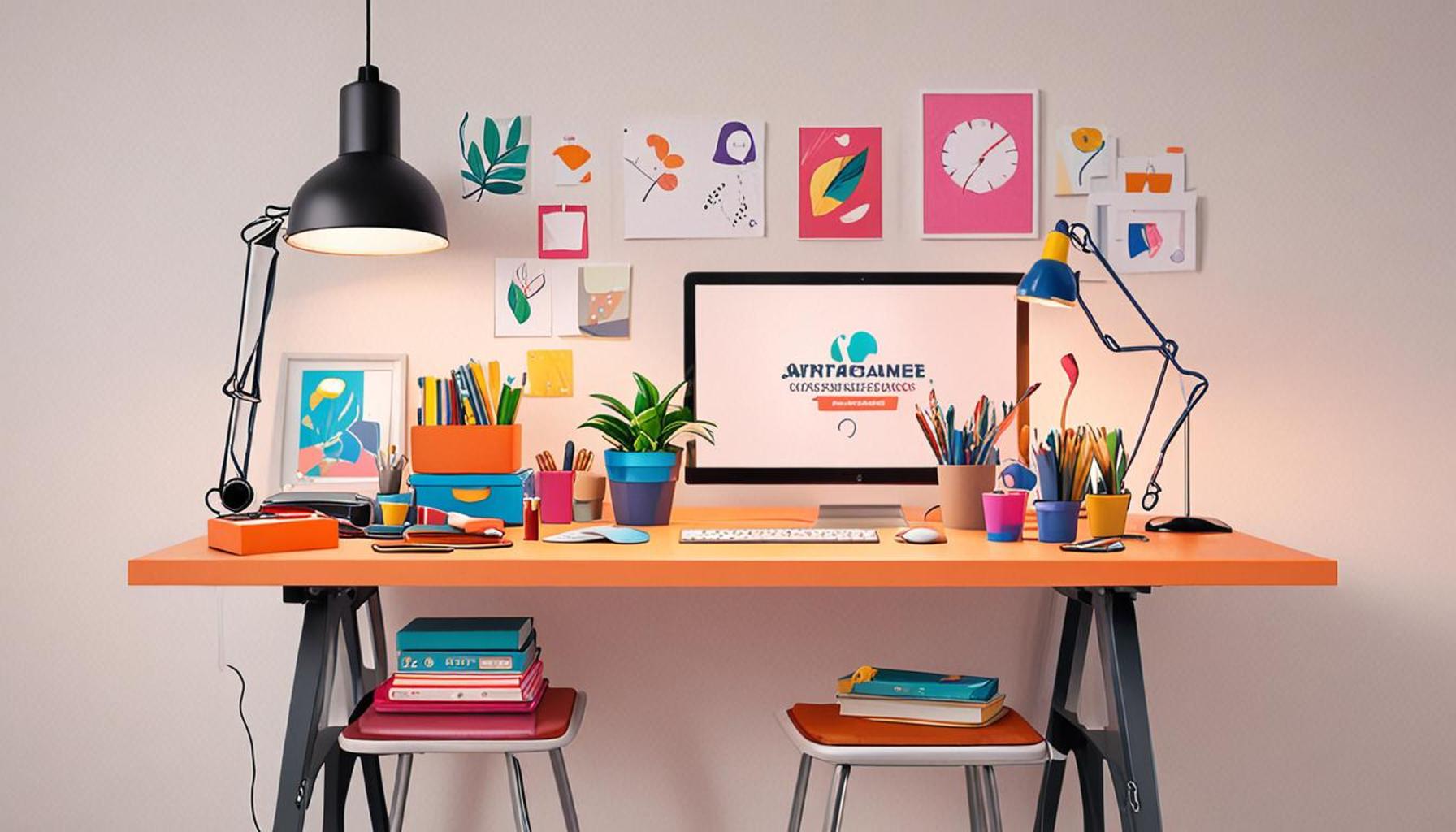
While personal habits and time management techniques form the backbone of organizational effectiveness, the actual structure of your environment—both physical and digital—plays a substantial role. A Washington Post article emphasizes that a well-structured workspace promotes efficiency by minimizing distractions. This can be achieved by organizing desk space, decluttering files, and utilizing storage solutions that align with your work style.
Simultaneously, digital structures are essential in our technology-driven world. Implementing a systematic method for file organization, such as categorizing documents by project or date, can save significant time and energy when searching for information. Cloud-based services like Google Drive or Dropbox can further enhance accessibility and facilitate collaboration, ultimately reinforcing a sense of order and reducing stress.
DISCOVER MORE: Click here to find out how
Conclusion
In today’s fast-paced world, the significance of efficient systems in personal organization cannot be overstated. These systems not only streamline our daily activities but also play a pivotal role in reducing stress levels and enhancing productivity. By integrating structured routines, developing effective habits based on the SMART criteria, and honing time management techniques such as the Pomodoro Technique and the Eisenhower Matrix, individuals can reclaim precious mental space and focus on what truly matters.
The art of delegation, whether through task assignment to others or employing automated systems, creates valuable breathing room in our schedules. This conscious acknowledgment of our limitations empowers us to prioritize essential tasks, fostering an environment where efficiency thrives. Furthermore, creating well-organized physical and digital environments reduces distractions, enhances accessibility, and encourages a more harmonious workflow.
Ultimately, embracing these organizational strategies not only leads to a productive and structured life but also contributes significantly to a healthier mental state. As stress continues to be a common barrier in achieving our goals, making the effort to implement such systems can provide a robust solution. Consider taking the first step today—assess your current methods, establish smart goals, and explore new tools. The journey towards a more organized life promises not just relief from stress but a greater sense of fulfillment in both personal and professional spheres.