
The Power of Intentional Choices in Minimalist Space Creation

The Profound Impact of Embracing Minimalism
Embracing minimalism is not just about having a tidy home or owning fewer things; it’s a profound way of approaching life and managing the chaos that often surrounds us. In a world overloaded with distractions, minimalism promotes clarity, focus, and intentionality, helping individuals to concentrate on what truly matters.
The Power of Intentional Choices
At the heart of minimalism are intentional choices. By being deliberate about the items we surround ourselves with, we begin to curate environments that reflect our core values and priorities. This process not only enhances personal organization but can also lead to significant improvements in mental well-being. By eliminating clutter, both physical and mental, we create space for more peace and productivity.
Top 5 Reasons for Intentional Decision-Making in Minimalist Spaces
- Improved Focus: A well-organized space free from excess can help sharpen your concentration, reducing stress and enhancing productivity.
- Enhanced Well-Being: Streamlined environments often lead to a calmer, more peaceful mind by removing unnecessary distractions.
- Financial Savings: Maintaining fewer possessions encourages spending on what genuinely matters, promoting financial health.
- Environmental Impact: Minimalism often leads to reduced consumption, contributing to a more sustainable lifestyle.
- Greater Freedom: With fewer belongings, individuals often experience a sense of liberation, making life transitions easier and travel more accessible.
In this article, we delve into these top reasons, assessing how they contribute to a more fulfilling and peaceful living environment. By understanding the importance of intentional decision-making, readers can embark on a journey toward a minimalist lifestyle that aligns with their deepest values and goals.
The Importance of Intentional Choices in Creating a Minimalist Space
In a world that often thrives on excess and accumulation, minimalism emerges not solely as an aesthetic choice but as a lifestyle that encourages individuals to discern what truly matters. At its core, minimalism is about living deliberately and meaningfully, where every element in a space serves a specific purpose. This movement, while visually simplistic, echoes a complex philosophy centered around making intentional choices. We unravel the profound reasons why intentional decision-making is vital in crafting a minimalist environment, each reason urging the reader to consider the deeper implications of their choices.
5. Clarity of Purpose
A minimalist space is characterized by its clarity of purpose. Before embarking on the journey of minimizing, it’s crucial to define what you aim to achieve with your space. Do you desire a tranquil sanctuary for relaxation, a functional workspace that stimulates productivity, or perhaps a minimal yet welcoming area for guests? Each intention directs the selection process, ensuring that what is accumulated aligns with this vision.
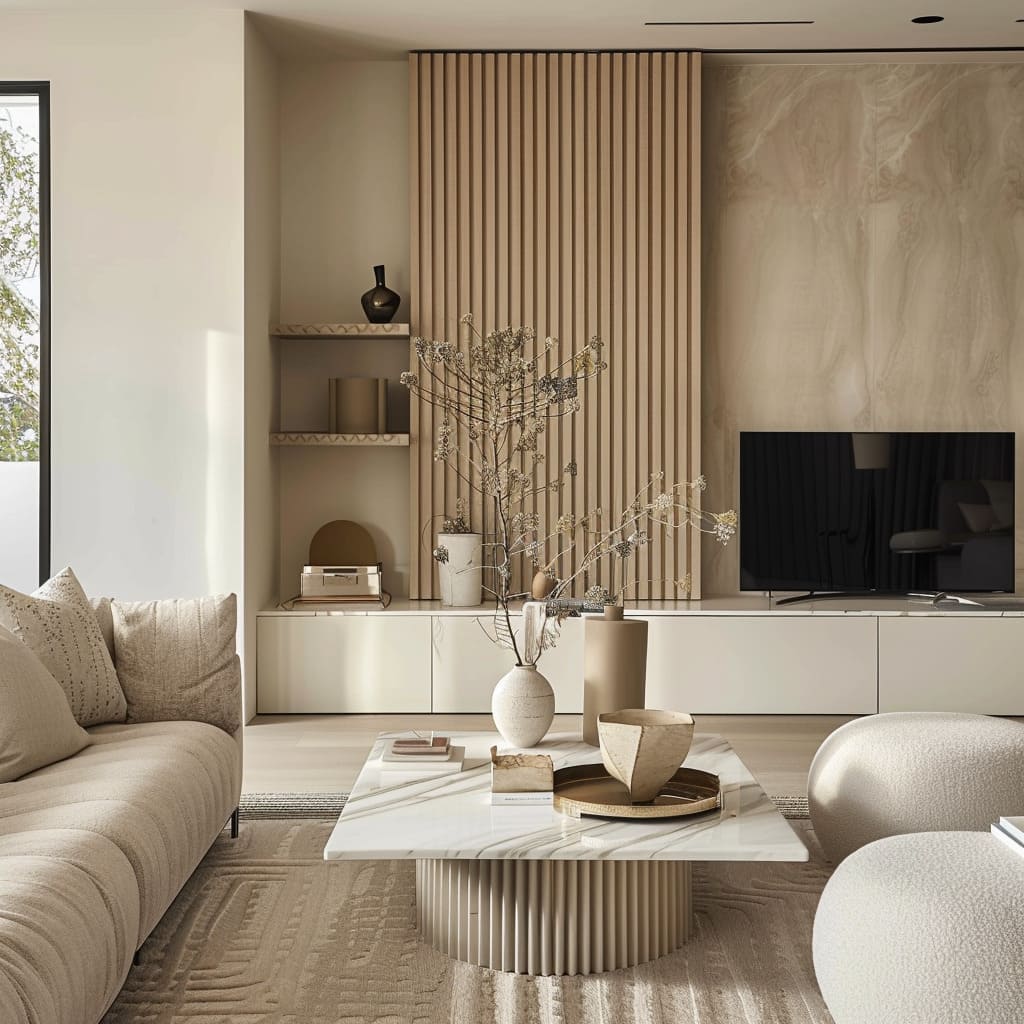
- Focus on Functionality: By prioritizing the functionality of items and their contribution to your goals, decision-making becomes more straightforward. For instance, selecting a sleek, multifunctional desk over an ornate, cumbersome piece reflects a commitment to functionality.
- Avoiding Distractions: A defined purpose helps in filtering out unnecessary distractions, allowing for a focused curation of furnishings and decor that serve your space’s intent. For example, if the goal is to create a calming reading nook, items unrelated to that purpose can be easily dismissed.
The result is a space where clutter naturally dissipates, leading to an environment that supports organization and tranquility. This clarity not only facilitates physical organization but also calms the mental chaos often accompanying clutter.
4. Emotional Connection
The items we choose to retain in our minimalist spaces should evoke an emotional connection. This intentional choice heightens the significance of what we own, fostering a deeper relationship with each piece. When items tell a story or spark joy, they move beyond mere functionality, weaving themselves into the fabric of our everyday lives.
- Enhanced Mindfulness: Selecting possessions that resonate with personal values or cherished memories encourages mindfulness in consumption. For instance, displaying a grandmother’s cherished quilt or a painting that inspires creativity adds both emotional depth and aesthetic value to a space.
- Reduction of Clutter: Appreciating what you own makes it easier to part with things that don’t offer similar emotional value. Acknowledge that minimalism doesn’t demand a sterile environment but instead promotes intentional emotional investment.
This approach nurtures a minimalist lifestyle, where every object is not just something you own, but a piece contributing to your mental and emotional landscape.
3. Sustainable Living Choices
Minimalism and sustainability often go hand in hand. By embracing sustainable living through intentional choices, we contribute meaningfully to the well-being of our planet. The adage “less is more” embodies the ethos of selecting quality over quantity, a principle that not only leads to personal satisfaction but also ecological responsibility.
- Durability: Choosing durable, sustainable products reduces the frequency of replacements, cutting down on waste. An example might be investing in a high-quality modular sofa that adapts to changing needs, rather than continuously purchasing cheaper, disposable furniture.
- Resource Awareness: Understanding and considering the ecological footprint of purchases encourage more conscious consumption patterns. This might involve researching the environmental practices of manufacturers or opting for items made from recycled materials.
Such deliberate choices not only enhance the aesthetic and longevity of your minimalist space but also align with broader goals of environmental sustainability. The implication is a home that supports both personal goals and global challenges.
2. Financial Freedom
Embracing minimalism can significantly influence one’s financial landscape, as it fosters a culture of mindful spending. This methodical approach invites a reevaluation of financial priorities, emphasizing value and quality over impulsiveness.
- Investing Wisely: Shifting toward thoughtful investment in durable, essential items over frivolous purchases nurtures one’s financial well-being. This might mean purchasing a timeless leather jacket as opposed to trendy but short-lived seasonal attire.
- Minimizing Expenses: A minimalist home often requires less upkeep, translating to lower maintenance costs and diminished energy consumption. For instance, fewer electronics and appliances often lead to lower utility bills, further supporting a financially sustainable lifestyle.
This intentional financial management paves the way for eventual independence and the potential to allocate more resources to enriching experiences rather than accumulating material goods.
1. Enhanced Well-being
Perhaps one of the most compelling reasons to embrace minimalism through intentional choices is its impact on personal well-being. A space curated with thoughtfulness promotes an atmosphere of peace and relaxation, crucial for mental health.
- Stress Reduction: Streamlined spaces can significantly reduce stress by removing overwhelming visual and mental clutter. Imagine a serene bedroom void of distractions, an environment conducive to restful sleep.
- Increased Productivity: The ability of an intentional environment to support better focus and creativity cannot be overstated. Consider a decluttered office space with only essentials, leading to efficient workflow and enhanced creative output.
Prioritizing well-being in this way aligns with the essence of minimalism, creating a sanctuary that supports a fulfilling and balanced life.
In conclusion, the journey toward a minimalist space is deeply interconnected with making intentional choices. It affects various facets of life – from enhancing personal well-being to promoting sustainability and financial freedom. Such decisions shape not just our living environments, but also our lifestyles, echoing the profound impact of living with intention. Embrace this journey to transform your space and reclaim your peace of mind.
Creating a minimalist space is not merely about reducing clutter or employing a bland aesthetic; it is about making intentional choices that foster an environment conducive to tranquility, focus, and creativity. The beauty of minimalism lies in its ability to encourage profound connections with the elements that truly resonate with us while serving our daily needs. Each aspect of a minimalist space represents a deliberate decision, shedding light on the underlying philosophy of thoughtful living.One of the most significant advantages of cultivating such environments is the promotion of mental clarity. With fewer items vying for attention, individuals can experience a decrease in cognitive load. This aspect underscores the concept that the spaces we inhabit profoundly affect our mental state. For instance, studies have revealed that individuals in minimalistic environments report lower levels of stress and increased productivity, attributable to an uncluttered visual landscape that allows the mind to focus more effectively on tasks at hand.Additionally, embracing intentional choices within a minimalist framework equips individuals with the power to curate their surroundings according to their values and lifestyles. This personal curation not only reflects one’s identity but also promotes a sense of ownership and authenticity in one’s space. When people make conscious decisions about colors, textures, and furnishings, they often find greater satisfaction and comfort in their homes, as these spaces resonate more deeply with their personal narratives.Moreover, a minimalist setup encourages sustainability through the practice of mindful consumption. By making intentional choices, individuals can focus on acquiring high-quality, durable items that serve multiple purposes and resist the cycle of fast fashion and disposability. Selecting fewer, but better, possessions can contribute to a more sustainable lifestyle by minimizing waste and promoting a culture that values long-lasting quality over transient trends.An aspect often overlooked is the role of minimalism in enhancing relationships. In a less cluttered environment, the emphasis shifts from material possessions to connections among inhabitants. Shared spaces become more inviting and can foster meaningful interactions, as individuals feel less distracted and more present with one another. This relational depth creates a nurturing atmosphere that bolsters emotional connections and shared experiences.Finally, creating a minimalist space leads to an opportunity for self-reflection and personal growth. The act of deciding what to keep and what to discard can prompt introspection about one’s values, desires, and aspirations. Engaging in this process can lead to an awakening of consciousness regarding what truly matters in life, thus reinforcing the prioritization of intentionality.In essence, the journey towards a minimalist lifestyle is paved with the power of intentional choice. Each item retained should deliver significance, aiming to enrich the living experience rather than detract from it. This philosophy ultimately encourages individuals to cultivate spaces and lives imbued with purpose, clarity, and authenticity, drawing them closer to the essence of what meaningful living entails.
Frequently Asked Questions About Intentional Choices in Creating a Minimalist Space
What does it mean to make intentional choices in a minimalist space?
Intentional choices refer to the deliberate and mindful selection of items that align with the core principles of minimalism. This involves carefully considering the function and value of each piece in your space, ensuring they contribute to your lifestyle and aesthetic goals. The purpose is to minimize clutter and focus on essentials that enhance your environment. By doing so, you create a space that not only looks serene but also supports your well-being.
How can intentional choices influence my lifestyle?
Making intentional choices can significantly impact your lifestyle by fostering a sense of control and clarity. When you choose only items that serve a purpose or bring joy, you naturally reduce distractions and create an environment that encourages productivity and peace. This mindful approach can lead to improved mental health, as the process encourages you to reflect on what truly matters, allowing you to live with greater focus and satisfaction.
Is it necessary to get rid of everything to adopt minimalism?
No, minimalism does not necessarily mean living with the bare minimum. Instead, it’s about refining your surroundings to align with your values and needs. This might mean eliminating excess or things that do not add value to your life. The idea is to curate your space with purposeful possessions that support the life you wish to lead. It’s more about quality over quantity.
How do I start making intentional choices for a minimalist space?
Begin by assessing your current environment and identifying items that are either redundant or don’t serve a meaningful purpose. Create a strategy for decluttering, which can include donating, selling, or recycling items. Focus on your long-term vision for the space and keep it in mind as you make decisions about new acquisitions. Remember, the goal is to select items with careful thought and consideration.
Can minimalist choices impact other areas of my life?
Absolutely. Adopting a minimalist approach can extend beyond physical spaces. It encourages you to apply similar principles to time management, digital presence, and even personal relationships. By filtering out non-essentials, you’ll likely find yourself with more time and energy for activities and people that truly matter, leading to a more fulfilling life experience that is aligned with your personal values.
Conclusion: The Significance of Intentional Choices in Crafting a Minimalist Space
In today’s fast-paced world, the art of minimalism has emerged not just as a design trend but as a lifestyle choice that brings clarity and purpose to our lives. At the heart of any minimalist endeavor is the principle of intentional decision-making. By embracing intentionality, individuals can create spaces that not only reflect their personal values but also promote a sense of calm and order.
Throughout the article, we discussed five core aspects of making intentional choices in minimalist design. Firstly, adopting a minimalist approach means curating possessions that truly add value and joy to our lives. This conscious selection process helps eliminate unnecessary clutter and fosters an environment where every item serves a purpose. Secondly, minimalism encourages mindful consumption. By prioritizing quality over quantity, individuals make purchases that are sustainable and long-lasting.
Additionally, we explored the role of minimalism in enhancing mental well-being. With fewer distractions, one is likely to experience increased focus and productivity. Furthermore, intentional choices can lead to more environmentally friendly and sustainable living practices, as fewer resources are wasted on non-essential items. Finally, embracing minimalism can also nurture stronger connections with the spaces we inhabit, as these environments become a reflection of our true selves.
The journey toward minimalism is deeply personal and requires ongoing reflection and adjustment. However, the benefits of intentional choice in this context are far-reaching, impacting not just our living spaces but our overall quality of life. As you continue to explore the potential of minimalist living, consider diving deeper into its underlying philosophies, to enhance not only your physical environment but also your mental landscape.