Maximize Small Spaces Minimalist Strategies for Optimal Organization
In an era where living spaces are becoming increasingly compact, the art of maximizing small areas has never been more crucial. Adopting a minimalist mindset empowers individuals not only to declutter their surroundings but also to enhance their daily living experience. By focusing on simplicity and functionality, one can transform even the coziest environments into organized, inviting spaces.
Minimalism is not just a design aesthetic; it’s a lifestyle choice that emphasizes the relationship between our belongings and our well-being. The principles of minimalism promote efficiency, mental clarity, and an appreciation for what truly matters. As we delve into this space optimization journey, expect to uncover insightful strategies that can redefine how you engage with your environment.
To kickstart your exploration, we will present the Top 5 minimalist organization strategies that can help you maximize your small space effectively. Each strategy is designed to address common challenges faced in limited areas, ensuring that you can make the most of every square inch.
Maximizing Space in Small Environments: Minimalist Organization Strategies
Living in smaller spaces has become increasingly common, whether due to urban living, budget constraints, or personal choices. However, the challenge of limited square footage should not undermine how you utilize your environment. Instead, it can provide an opportunity to think creatively and live intentionally. Maximizing your space can lead to not only a more organized environment but also foster a sense of calm and clarity in your life. This article ranks the top 5 minimalist organization strategies that can help you make the most out of your small living space. From clever storage solutions to smart furniture choices, each strategy is designed to assist you in achieving a minimalist lifestyle while effectively utilizing your limited square footage.
5. Leveraging Vertical Space
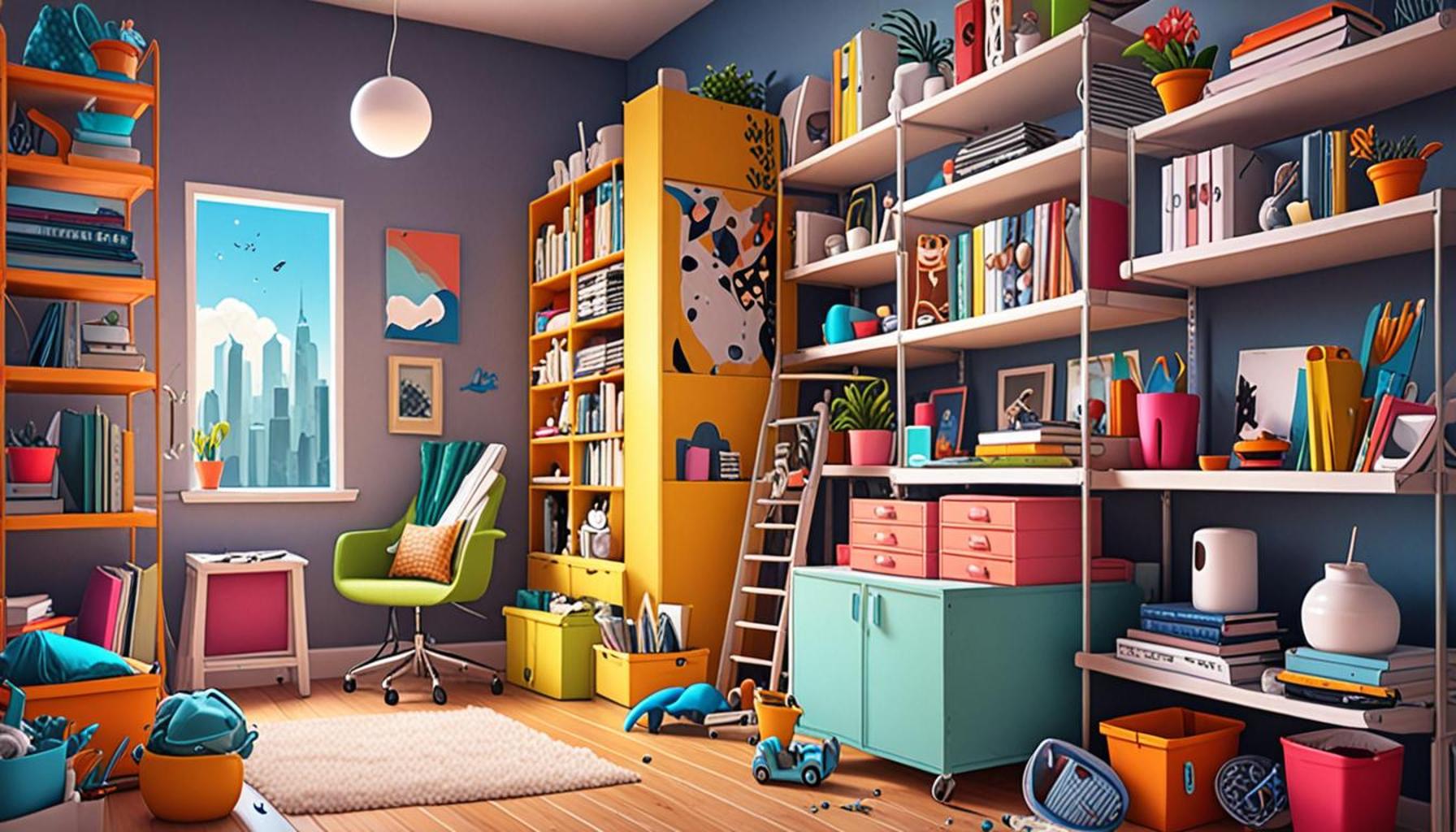
One of the most effective methods of maximizing small spaces is to look up—quite literally. Vertical space often goes underutilized in many homes, providing ample opportunity to store and display items without consuming valuable floor space. In urban apartments or smaller homes, where floor space is precious, utilizing walls to their full potential is transformative.
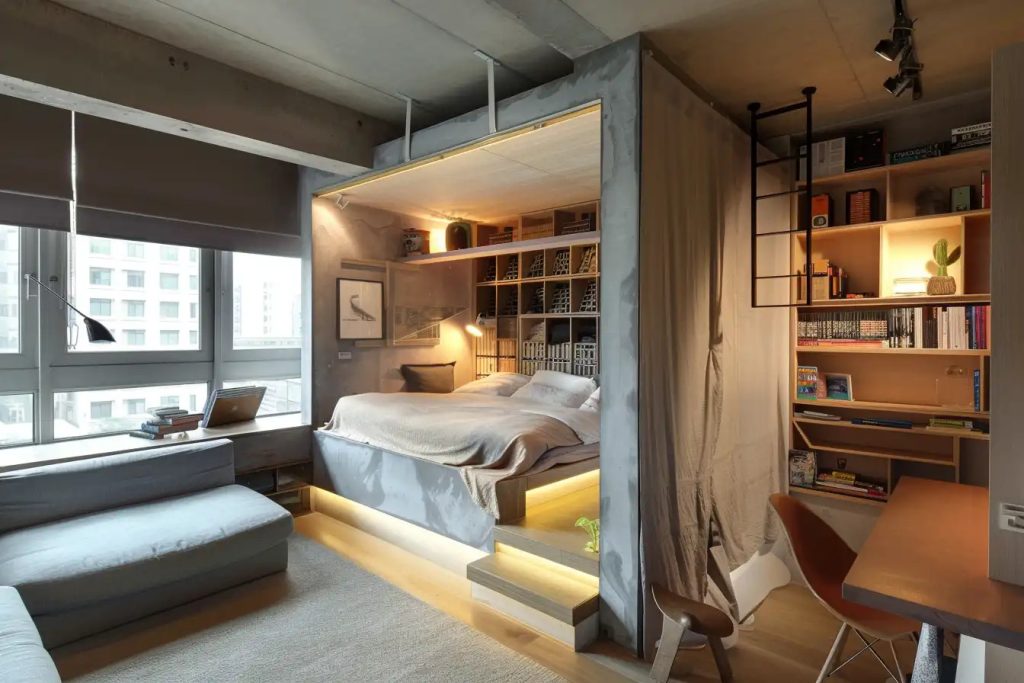
Consider installing shelves, hooks, or wall-mounted units that extend toward the ceiling. These not only add much-needed storage but also enhance the visual height of a room, creating an illusion of a larger area. Floating shelves are particularly beneficial, as they enable you to display books, plants, and decorative items while preserving floor space. You might also explore multi-functional furniture pieces that expand vertically, such as tall cabinets or ladder-style shelves.
To help you get started, here are some ideas for using vertical space:
- Install wall-mounted bookshelves for your library collection, adding personality while utilizing walls.
- Consider counters and dressers that double as display areas, allowing you to showcase collectibles, art, or functional items like keys or mail.
- Hang pots in the kitchen for a garden feel, maximizing cabinet space and providing an aesthetic touch.
4. Opting for Multi-Functional Furniture
In the realm of small-space living, multi-functional furniture emerges as a true savior. This type of furniture serves various purposes, allowing you to enjoy more functionality without piling up clutter or sacrificing aesthetics. Implementing strategically chosen pieces can revolutionize how you live and interact within your space.
For instance, a sofa bed can serve as a comfortable seating area during the day and seamlessly transform into a guest bed at night. Investing in pieces like ottomans with hidden storage, collapsible tables, or modular couches can significantly enhance the usability of your small environment. These pieces blend seamlessly into different areas and adapt to diverse needs without crowding your space.
Examples of multi-functional furniture include:
- Murphy beds that fold away into the wall when not in use, transforming bedrooms into living or working spaces.
- Coffee tables with compartments for stowing away blankets, games, or books, keeping your living room tidy.
- Desks that convert into dining tables, particularly beneficial in studio apartments or small homes.
3. Creating Zones
In a small environment where walls are less frequent, it’s essential to create defined spaces or zones for different activities. Zoning helps maintain order by designating areas for work, relaxation, cooking, and dining—even if these areas coexist within the same space. This strategy enhances not only functionality but the overall organization and flow of your home.
You can achieve zoning using furniture arrangement, rugs, and partitions. For instance, placing a colorful rug under your dining table visually separates it from the living area, establishing a dedicated dining space. Additionally, using bookshelves or room dividers can effectively carve out distinct areas while maintaining an open ambiance. This is especially useful in studio apartments where rooms aren’t defined by walls.
Here are some zoning ideas:
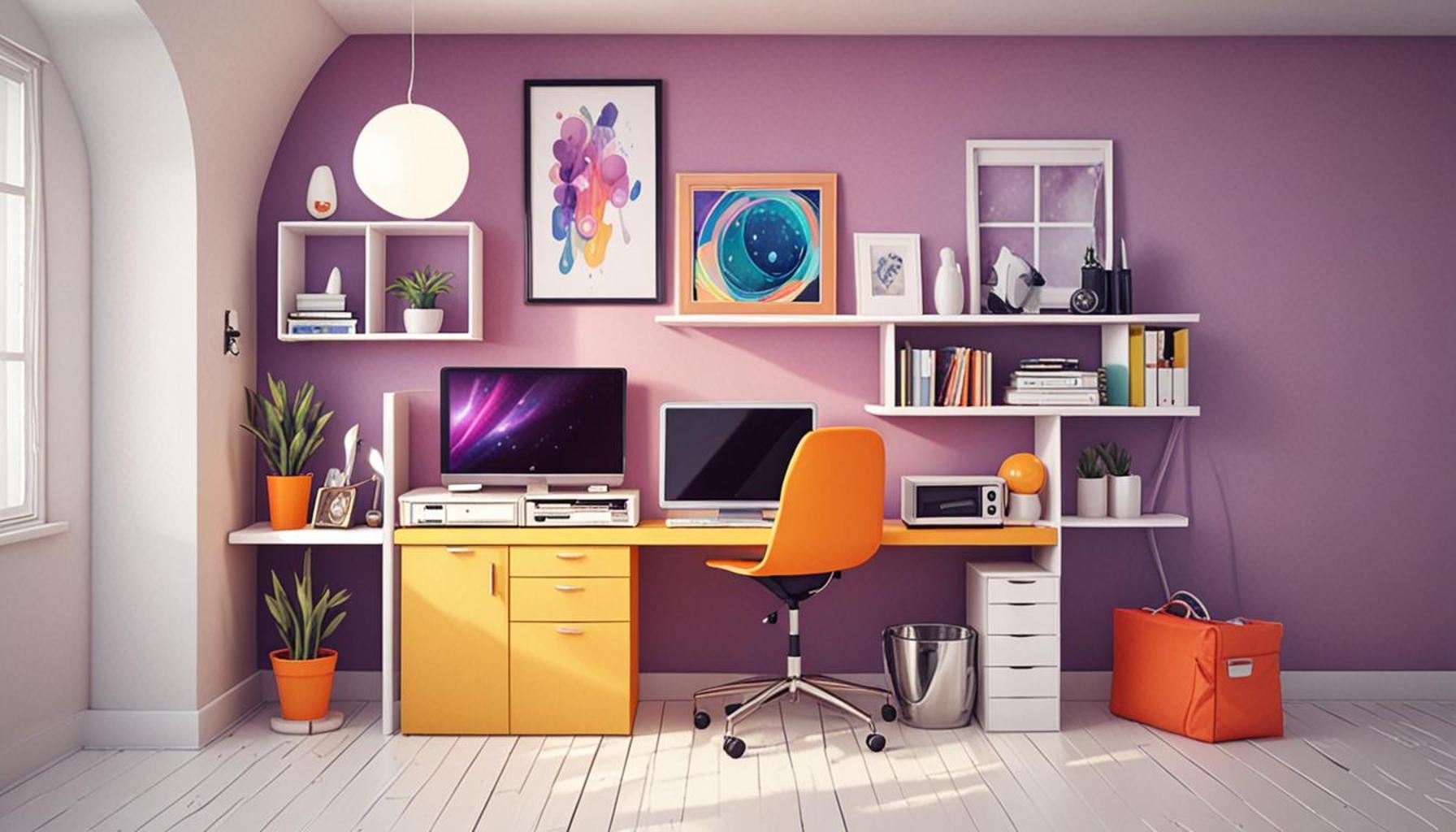
- Designate a desk in the corner of the living room for work, complemented by a chair that aligns with your aesthetic.
- Set up benches near windows as cozy reading zones, where you can relax with your favorite book and cup of tea.
- Create an open space for a dedicated yoga or stretching area, promoting wellness and relaxation.
2. Decluttering Regularly
To truly embrace a minimalist lifestyle, decluttering regularly should become a routine, not just a one-time event. In spaces where every item competes for attention, eliminating the unnecessary becomes a path to freedom and clarity. Assess your belongings consistently and eliminate items that no longer serve a purpose or bring you joy.
Establish a “one in, one out” policy, a method where every time you acquire a new item, you commit to letting go of another. This practice not only maintains your space’s organization but also encourages mindful consumption, focusing on quality rather than quantity. Fewer possessions lead to less clutter and ultimately, a more serene environment.
1. Embracing Minimalism
At the top of our list is the core principle of truly maximizing space in small environments: embracing minimalism. This is not merely an organization strategy but a philosophical approach to life, inviting a fundamental shift in how you view your possessions and your space.
Minimalism encourages focusing on what truly matters. By surrounding yourself only with items that serve a purpose or provide meaning, you create an environment that resonates with clarity and focus. To adopt minimalism, start with one area of your home and systematically evaluate what you can eliminate or repurpose. This can be as small as clearing out a single drawer or as expansive as redesigning an entire room with only essential furniture.
Ultimately, adopting minimalism cultivates not just organization, but a richer, more intentional way of living. As you engage in this lifestyle, you may find that prioritizing quality over quantity also simplifies decisions, reduces stress, and creates a home that truly supports your daily life and well-being.
| Category | Details |
|---|---|
| Smart Furniture | Furniture that has multiple functionalities, such as a sofa bed or an extendable dining table, allows for better use of limited space while providing essential services. |
| Vertical Storage | Utilizing wall space for shelves or cabinets minimizes clutter on the floor and helps keep the area organized and visually appealing. |
| Decluttering Techniques | Encouraging a habit of regular decluttering can significantly reduce unnecessary items, leading to a more serene and spacious environment. |
| Color Schemes | Light and neutral colors create an illusion of space, making smaller areas feel larger and more inviting. |
In the context of maximizing space in small environments, the concept of **smart furniture** plays a pivotal role. This innovative approach involves selecting pieces that serve multiple purposes—consider a sofa that easily converts into a queen-sized bed for guests. Investing in such furniture not only saves space but also enhances functionality in your home.Another strategic method is to embrace **vertical storage**. By utilizing the vertical dimension of your living space, you can install shelves and cabinets high on the walls, thus freeing floor space for movement and aesthetic design. This technique often transforms a cramped room into a more open and organized area.Furthermore, adopting **decluttering techniques** is essential in maintaining a minimalist environment. Regularly examining and reducing the amount of storage items prevents over-accumulation and promotes a clean and airy atmosphere. The practice of minimalism thrives on the principle that less is more; therefore, simplifying your belongings can significantly enhance your living conditions.Lastly, the impact of **color schemes** on spatial perception should not be overlooked. Opting for lighter shades can create an optical illusion, making rooms appear larger than they are. Neutral tones reflect light, contributing to a bright and open feel, which is particularly beneficial in smaller locations.These strategies pave the way for a more organized, functional, and aesthetically pleasing living experience, proving that even the smallest spaces can be optimized through thoughtful design and planning.
Frequently Asked Questions: Maximizing Space in Small Environments
How can minimalism help in organizing smaller spaces?
Minimalism is more than just a design trend; it’s an approach that can transform how you view and use space. By adopting minimalistic strategies, you can focus on the essentials, reducing clutter and making the most of every square foot. Prioritizing purpose over quantity allows for a functional and aesthetically pleasing environment. Many find that less visual noise equates to a sense of calm, enhancing personal productivity and mental clarity.
What are some practical steps to begin decluttering a small space?
The first step in decluttering is to assess your belongings and determine what is truly necessary. Start by sorting items into categories: keep, donate, and discard. Utilize vertical storage solutions like shelves and hooks to free up floor space. Implementing strict rules about new items coming into the home can also prevent future clutter. Remember, regular upkeep is key to maintaining a minimalist space over time.
What furniture should be prioritized in a minimalist approach to small spaces?
In a minimalist setup, every piece of furniture should serve a purpose, often more than one. Consider investing in multi-functional furniture, such as a sofa bed or a fold-out desk. Opt for furniture with built-in storage to reduce the need for additional cabinets or shelves. Lightweight and movable pieces allow for flexibility and adaptability, crucial for small living spaces.
Can a small space be both stylish and functional?
Absolutely! The key lies in balance and thoughtful choices. Choose a neutral color palette to open up the space, coupled with textures and accents that reflect your personal style. Incorporate mirrors strategically to create the illusion of a larger space. Functionality can coexist with aesthetics through intentional design choices, ensuring your space is both welcoming and efficient.
How can lighting impact the perception of space in a small area?
Lighting plays a crucial role in shaping our perception of space. Ample natural light can make a room feel more open and airy. Where natural light is limited, supplement with layered lighting—mixing ambient, task, and accent lighting—to create depth and warmth. Consider using transparent or reflective materials in your light fixtures to further amplify the sense of space.
Conclusion
In a world where space often comes at a premium, employing minimalist organizational strategies can transform cramped environments into havens of tranquility and efficiency. Throughout this article, we’ve explored vital techniques to maximize the utility of small spaces, emphasizing the importance of decluttering and the intelligent use of multifunctional furniture.
A recurring theme is the necessity of embracing the less is more philosophy. By prioritizing possessions that truly matter and eliminating unnecessary items, we can create an environment that fosters peace and productivity. This fundamental principle of minimalism not only aids in gaining control over our surroundings but also enhances mental clarity.
Another crucial takeaway is the strategic use of vertical space and clever storage solutions, such as shelves, hooks, and hidden compartments. These tools are invaluable in small areas, allowing us to maximize every square foot without sacrificing aesthetics or accessibility. Furthermore, the deliberate choice of furniture and decor that serve multiple purposes enables us to maintain a stylish yet functional environment.
The application of minimalist design is not merely a trend but a sustainable lifestyle choice that promotes a healthy relationship with our possessions. By thoughtfully curating our spaces, we align our living environments with our personal values, leading to a more fulfilling and organized life.
As our exploration comes to a close, it’s clear that minimalism is more than an organizational style; it’s a transformative approach to how we live. By adopting these strategies, we can all create more harmonious and efficient spaces. Encouraged by this perspective, the next step is to delve deeper into the minimalist philosophy and explore further how it can enhance every aspect of our daily lives.